The essential guide to trees that need a constant supply of water – 5 species unveiled
While many trees benefit from occasional access to water through their roots, some thrive in consistently wet conditions. If you live in an area with frequent rainfall, it’s essential to choose trees that survive in moist environments. This article lists tree varieties that need a lot of water. Keep reading to make informed choices.
The Black Gum Tree
- Black gum trees are native to the USA and Mexico. They are known for their striking autumn foliage, making them a popular ornamental choice. This slow-growing tree can reach heights of around 50 meters when fully matured and thrives in slightly acidic, highly moist soil conditions.
Often grown in clusters by homeowners, when properly maintained by professional tree pruning services, Black gum trees present a stunning sight. During spring and summer, its foliage is dark green, transitioning to a vibrant mix of red, yellow, purple, and orange hues in the autumn season.
The Weeping Willow
- It is known for its graceful, drooping branches and vibrant yellow-green foliage. The weeping willow adds a charming touch to moist gardens when given enough space to grow. These majestic trees require significant garden space and should be kept away from septic fields.
With rapid growth rates of up to 2 feet (0.30 meters) per year, they are best suited for spacious environments. If you are looking for a smaller option, the tricolor dappled willow presents a favorable alternative. It is ideal for planting near ponds or in damp locations.
The Bald Cypress
- It is a deciduous conifer that sheds its needles annually and has the longest lifespan among U.S. trees. While its bare branches may discourage some gardeners, the tree’s magnificent red fall foliage makes up for its seasonal nature.
Native to the United States, the bald cypress is a superior choice over the non-native dawn redwood, particularly for Northern growers.
Growing Tips for Bald Cypress
- Opt for acidic, moist soil; a pH over 7.5 can be detrimental.
- Begin with a soil mix containing some sand to promote optimal growth.
- Ensure ample space, as the tree can reach heights of up to 120 feet!
- When planted in waterlogged areas, bald cypresses develop intriguing “knees” that protrude from the water, enhancing landscape aesthetics.
The River Birch
- It is indigenous to the eastern USA and is distinguished by its distinctive peeling bark, transitioning from smooth in young trees to flaky and shedding as it matures. At full maturity, it blooms with catkins, though it’s not ideal for those with pollen allergies.
This fast-growing tree can reach 80 meters in height and has a lifespan of approximately 70 years. Its name stems from its adaptation to stream banks. It thrives in areas with poor soil drainage, making it an excellent choice for gardens with such conditions.
The Sweetgum Tree
 The Sweetgum tree’s star-shaped leaves transform into vibrant hues of orange and red during autumn. It is a splendid addition to northern landscapes. This native tree thrives even in areas with poor drainage. However, it’s worth noting that the tree produces spiky “gum balls” that litter the ground during winter and early spring, which may not appeal to those seeking a low-maintenance option.
For a cleaner alternative, consider the black tupelo. In addition, optimal growth occurs in full sun to part shade. Avoid areas with consistent standing water or dries-out soil. Plant in slightly acidic soil with a pH ranging from 5.0 to 7.4.
If you are worried about pruning a tree without damaging it permanently, then contact American Tree Experts Inc. today. We are a highly qualified team of tree-cutting and pruning professionals based in Montclair, New Jersey. Call us today at 973-774-6091 for a free quote.

 The choice of slow-release fertilizer should depend on the specific types of plants you are fertilizing. For example, fertilizers designed for
 In spring, thoroughly inspect your trees for damage or disease. Look out for visible indications such as broken branches, holes, molds, and fungi. Additionally, pay attention to branches that fail to produce flowers or leaves. They are likely dead and should be pruned, preferably by a professional tree pruning service.
 Thoroughly examining your tree for signs of diseases, pests, or parasites can help you differentiate between dormancy and death. Common tree diseases, including fungal, bacterial, and viral infections, as well as various forms of blight, often show visible symptoms such as discoloration, wilting, cankers, lesions, or abnormal growth patterns.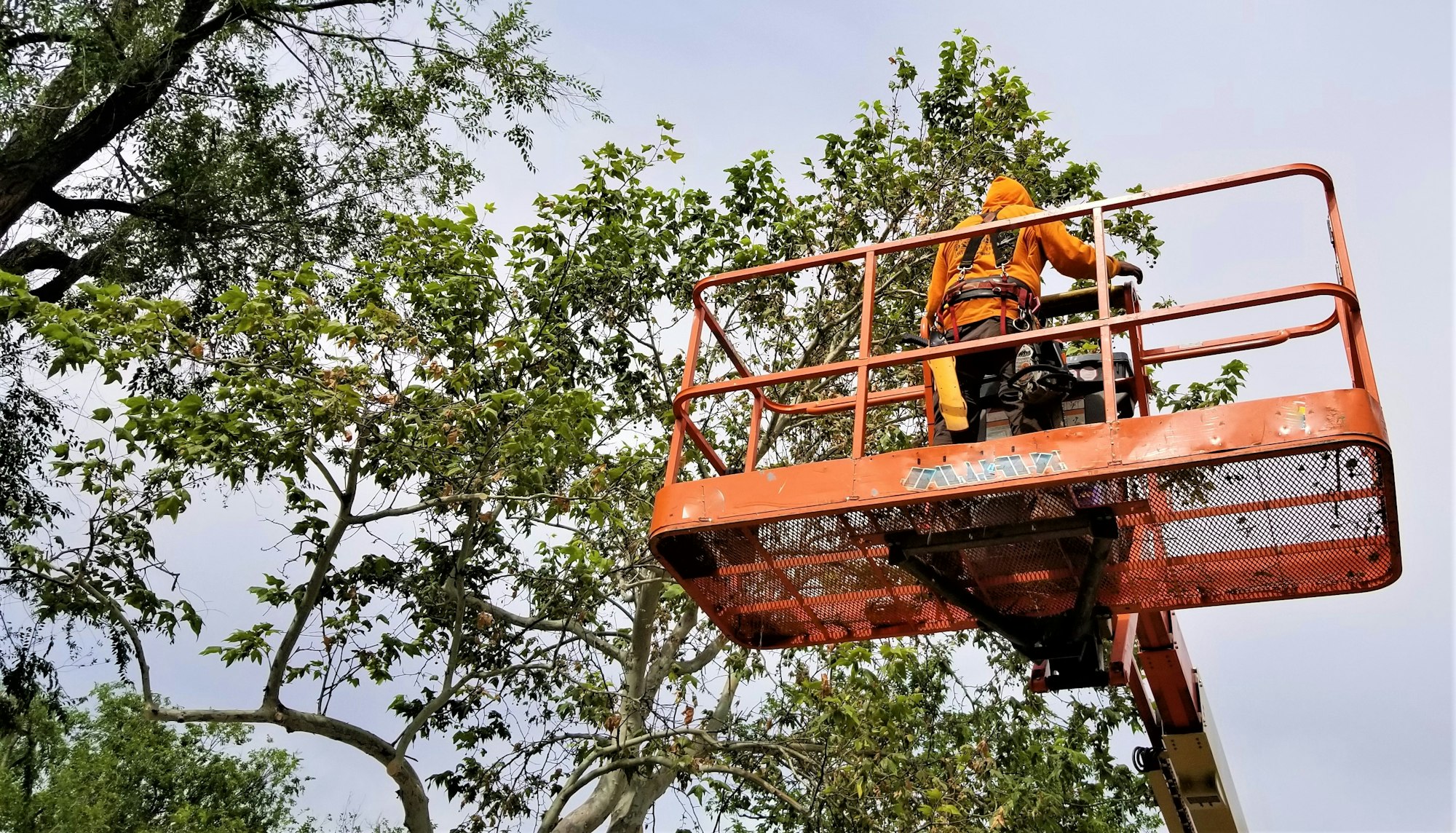
 By clearly marking the work area, prioritize the safety of co-workers, pedestrians, and other individuals in the vicinity. If the tree extends over a roadway, consider using signs and cones to redirect pedestrian and vehicular traffic as needed. Additionally, wearing
 It’s advisable to approach pruning with a gentle touch. Reserve heavy pruning for situations where the tree is severely infested or diseased. Each pruning cut weakens the tree’s immune system slightly, making it more susceptible to pests and fungal infections.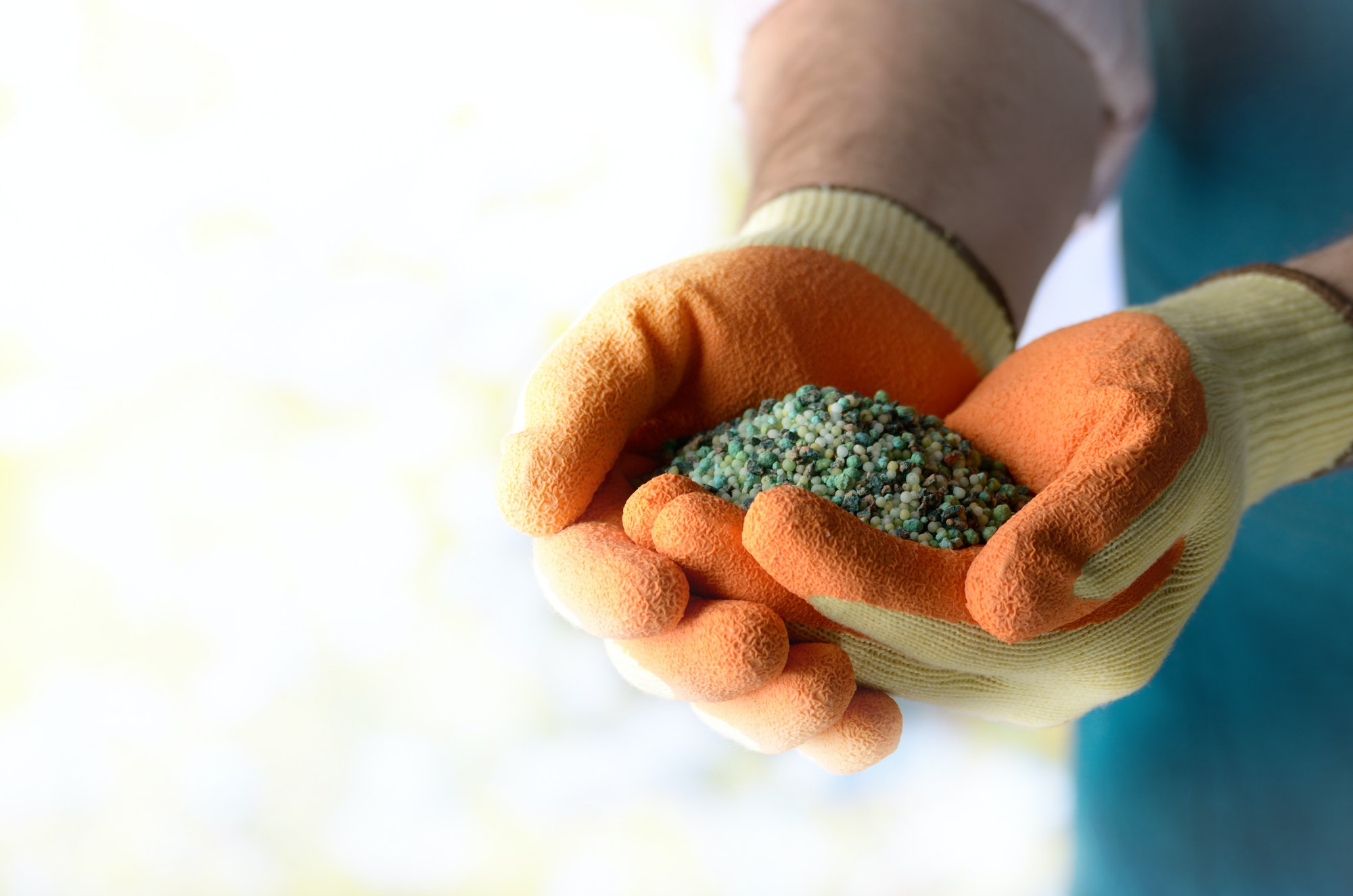
 Organic fertilizers can be applied more generously to your plants. When using store-bought products, it’s crucial to follow the instructions provided. If you’re using homemade fertilizer, exercise caution, particularly when using manure. Allow the manure to age for four months to a year before applying it to your plants. Aged manure can be introduced into holes for planting shrubs or trees, scattered around mature plantings, or placed next to cultivated vegetables throughout the year.
 Trees that bear heavy fruit loads can strain their branches and increase the risk of breakage. Cabling provides additional support to heavy branches to distribute the weight of the fruit load evenly, preventing damage and promoting healthy growth.
 Trees that are in the process of dying or under stress are a host to pests, including carpenter ants and beetles. Dead or dying branches are the preferred habitat for insects and pests. The depressed or discolored areas usually indicate