

Shade trees are a must-have for your New Jersey landscape, particularly in hot, humid summers. Planting these trees on the side of your house can help keep your home cooler and save on energy bills by blocking the sun’s heat. Here are essential tips to consider when you’re picking shade trees for your New Jersey yard.
1. Amur Maple
- The Amur Maple is a great choice for a shade tree close to your home, as it won’t grow tall enough to reach your roof. In spring, it blooms with white flowers, and in the fall, it turns a vibrant red-orange, bringing lovely color to your yard.
This tree can reach up to 25 feet tall and spread about 20 feet. It’s drought-resistant, loves full sunlight, and is the most cold-tolerant of the maples, thriving in hardiness zones 3-8. Hire a skilled arborist in Montclair, New Jersey, to help you select and plant the right shade tree for your landscape.
2. Ginkgo Biloba
- Male Ginkgo trees are often chosen for their decorative appeal, as they don’t produce the smelly fruit that female trees do. This fast-growing tree can reach 50-80 feet in height and spreads out 30-40 feet. It should be planted a good distance from your home due to its size.
Ginkgo trees grow about one to two feet per year and have green leaves that turn yellow in the fall. They thrive in hardiness zones 4-9 and prefer moist soil, but they are tolerant of various soil conditions, including salty environments near roads.
3. Paper Birch
- The Paper Birch is a fast-growing shade tree native to North America. It features striking white bark and grows to about 60 feet tall with a 35-foot spread. The branches are low to the ground and prone to breaking in snowy or icy conditions, so keep them away from parking areas and structures. They don’t do well in polluted urban areas.
4. Pin Oak
- The Pin Oak is notable for its green leaves that turn red in the fall. It thrives in full sun and can adapt to various soil conditions across hardiness zones 4-8, including moderate flooding. It grows to 60 to 70 feet tall with a spread of 25-45 feet, so plan its location carefully.
5. Tulip Tree
- The Tulip Tree is a striking native species from eastern North America. It can reach impressive heights of up to 80 feet and sometimes even 200 feet in optimal conditions. This tree has unique tulip-shaped leaves and blooms in shades of orange, green, and yellow, though it may take up to 15 years to start blooming.
It thrives in hardiness zones 4-9 and prefers full sun or partial shade. Since it grows to reach a large size, planting it far away from your home is advisable. Spring is the best time to plant Tulip Trees.
6. Northern Red Oak
- The Northern Red Oak is known for its distinctive bristle-tipped leaves that turn a vivid red in the fall. It handles pollution and compacted soil well, making it suitable for street-side planting. This tree prefers full sun and moderate moisture and is somewhat drought-resistant.
It grows about 2 feet per year, reaching heights of 60 to 70 feet with a crown spread of 45 feet. For safety, plant it a fair distance from structures. It thrives in hardiness zones 5a through 9b.
To get professional and affordable tree care services, including removal, nutrient, and pest management services, contact American Tree Experts Inc. We are one of the best tree pruning and removal services in Montclair, New Jersey. Contact us today at 973-744-6091 and book your consultation with our qualified arborists and specialists.


 Be mindful of the potential mess from fruit, sap, or needles. A fruit tree near a sidewalk will require regular cleanup, and a pine tree near a driveway can cover your car in sap at certain times of the year.
 Tree risk assessment provides several key benefits: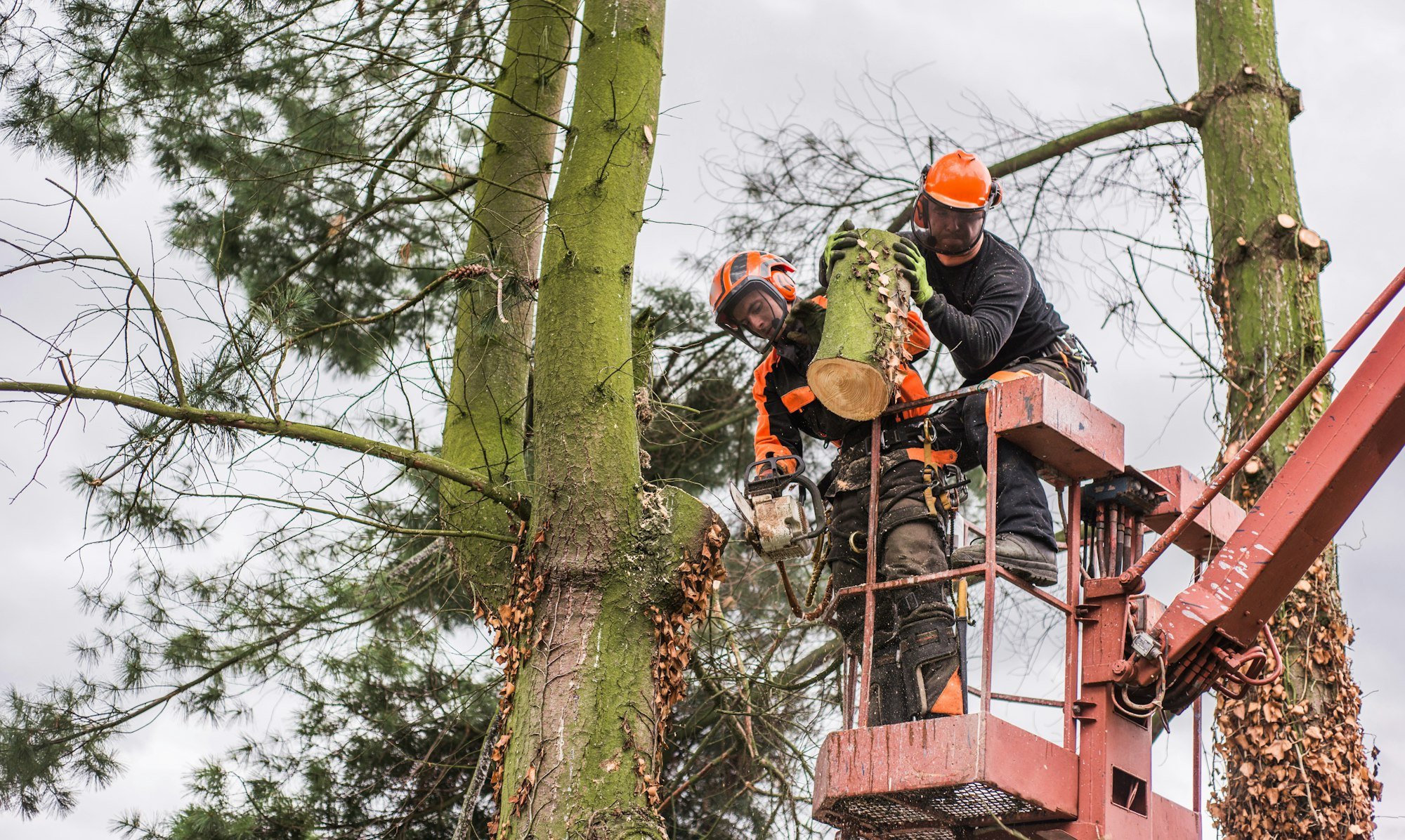
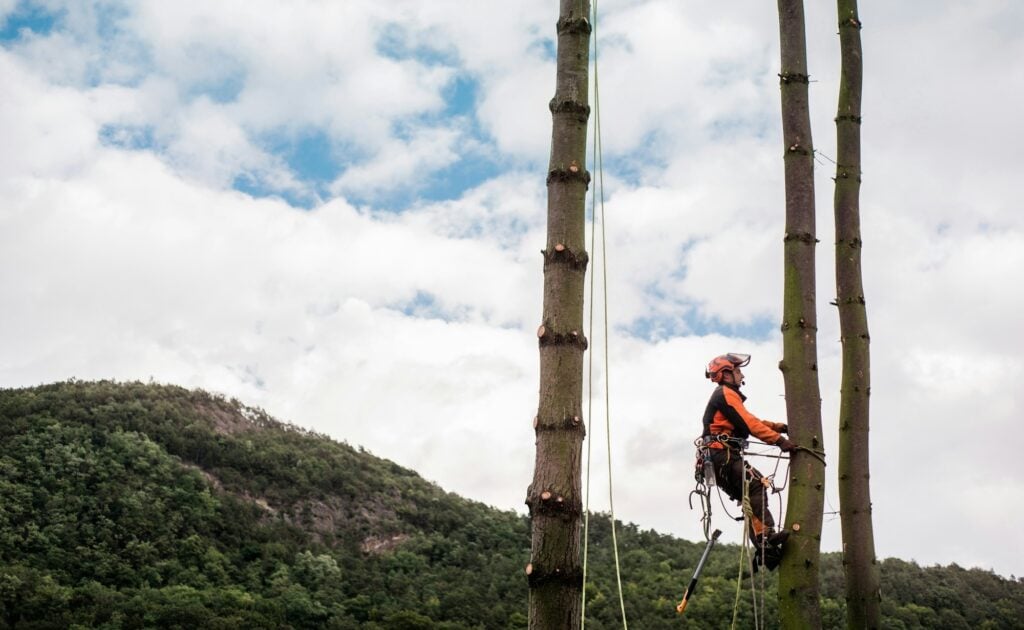

 Regularly inspect your trees for signs of tree-damaging pests, which can hide among leaves, branches, and the trunk. Check for discolored leaves and examine tree trunks for holes or frass. Promptly addressing issues can prevent infestations from spreading. If you notice a branch infested with beetles or other pests, remove it promptly to mitigate further damage. Familiarizing yourself with these signs can reduce future maintenance.
 If you notice your soil consistently drying out during the summer months, consider implementing a slow, deep watering technique using a drip or soaker hose for your larger trees requiring hydration. Different trees have varying water needs, so it’s essential to avoid guesswork. A general guideline is to apply 5 gallons of water for every 1 inch of trunk diameter, repeating this process weekly in the absence of significant rainfall.