

Here is the list of expert tips for pruning your trees for maximum beauty and health
Trees are pruned for various reasons, all aimed at enhancing the appearance and growth of the tree. While trees can grow without pruning, this regular upkeep ensures they reach their maximum potential and longevity. However, it’s crucial to prune the tree using proper methodology and techniques; otherwise, you risk causing more harm than good. In this guide, we’ll explore essential tips for tree pruning, covering fundamental and critical aspects of the process.
Prune Trees at The Right Time
- Late fall and early winter are the ideal periods for pruning trees, while most evergreen trees benefit from light pruning in late winter. During this time, the absence of foliage allows for a clear view of the tree’s structure. It’s advisable to refrain from major tree pruning during maple sugar time, typically from January through early March in many regions.
For oak trees, which are susceptible to beetle attacks and oak wilt, it’s best to avoid pruning during late spring through midsummer when these pests are most active. Delaying pruning until fall or winter could exacerbate tree damage or facilitate infection, especially in the case of diseased branches. When dealing with diseased branches, sanitize the pruning blade by dipping it in a 10 % bleach solution between each cut to prevent disease transmission.
Remove Larger Branches in Steps
For larger branches, it’s advisable to remove them in three steps:
- Begin by making a shallow cut on the underside of the branch, approximately 4-5 inches from the trunk.
- Proceed to cut the branch off about 2-3 inches from the initial incision. This initial cut serves to prevent the bark from peeling down the side of the trunk when the weight of the unsupported branch causes it to fall.
- Finally, make the last cut to remove the remaining stub. Ensure this cut is made just outside the branch collar, which is the slightly swollen area where the branch and trunk intersect.
Remove Damaged Branches First
- The primary objective of tree pruning is to enhance its overall health. It’s crucial to prioritize the removal of any parts damaged by storms or disease. This ensures that nutrients are evenly redistributed to the tree’s healthy sections.
Before starting the pruning process, observe the tree’s major branches, which form its structural framework. Avoid removing these branches, as they play a vital role in providing support and nourishment to various other parts of the tree.
Remove Stub
- Stubs often result when branches break off in the wind or are cut too far from the tree’s attachment point. It’s crucial to remove these stubs promptly. Leaving a stub can hinder the formation of a protective callus, leaving the wound vulnerable to insect infestation.
Once insects penetrate, moisture and decay can set in. When eliminating an old stub, take care not to cut into the swollen callus tissue forming near the trunk. This callus tissue is essential for sealing the wound effectively.
Gentle Pruning is Ideal
 It’s advisable to approach pruning with a gentle touch. Reserve heavy pruning for situations where the tree is severely infested or diseased. Each pruning cut weakens the tree’s immune system slightly, making it more susceptible to pests and fungal infections.
As a general guideline, avoid removing more than 25% of a tree’s branches in a single season. Ensuring that at least 75% of a deciduous tree remains adorned with living branches is essential. This coverage is vital for nutrient distribution and maintaining the tree’s ecosystem.
Following these tips will ensure healthy and beautifully sculpted trees. If you are new to gardening, call in the pros and let them prune your trees. American Tree Experts provides tree pruning and removal services in Montclair, New Jersey, and surrounding areas. Call them at (973) 834-7797 to get a free estimate of the services.
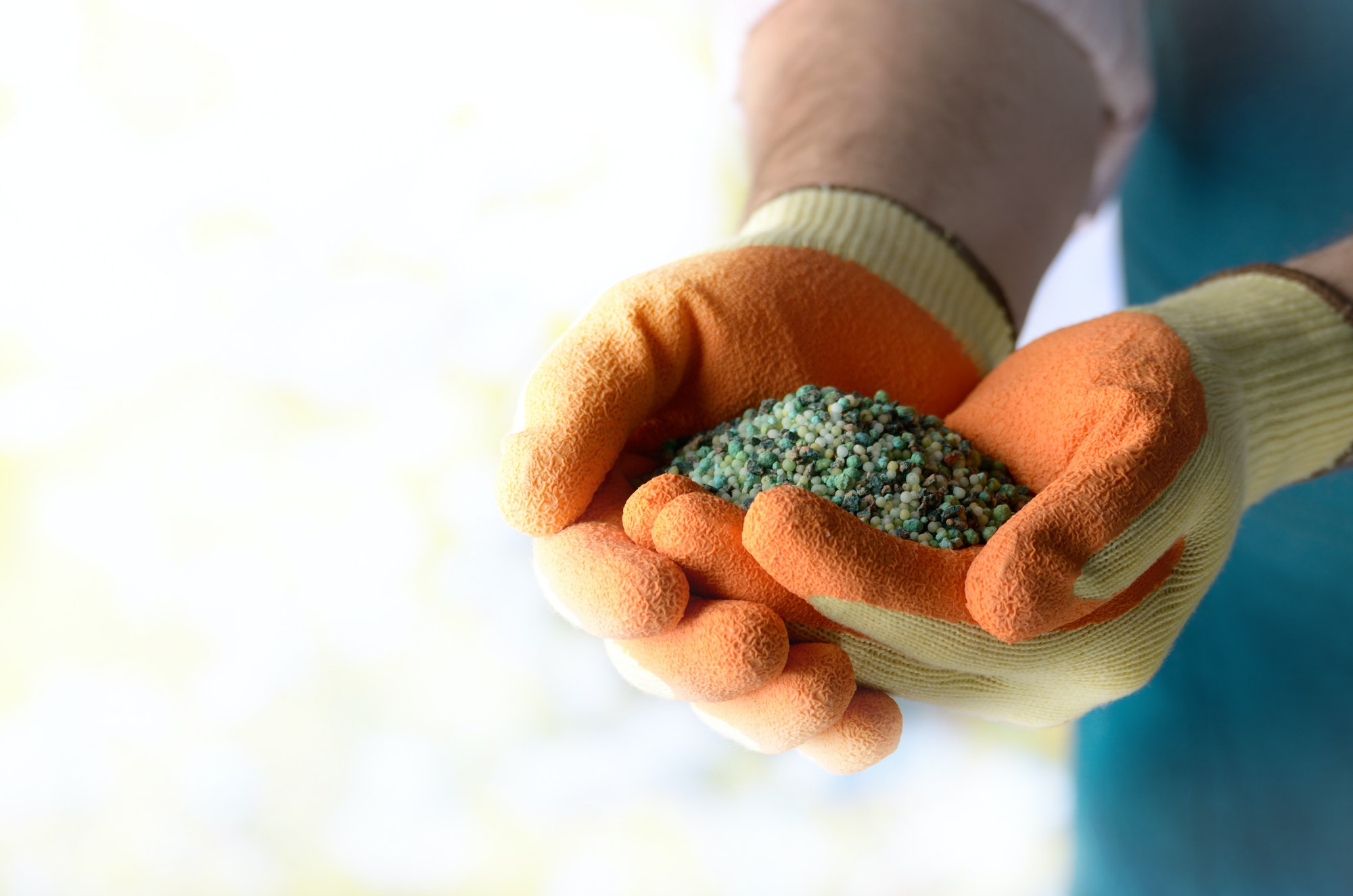
 Organic fertilizers can be applied more generously to your plants. When using store-bought products, it’s crucial to follow the instructions provided. If you’re using homemade fertilizer, exercise caution, particularly when using manure. Allow the manure to age for four months to a year before applying it to your plants. Aged manure can be introduced into holes for planting shrubs or trees, scattered around mature plantings, or placed next to cultivated vegetables throughout the year.
 Trees that are in the process of dying or under stress are a host to pests, including carpenter ants and beetles. Dead or dying branches are the preferred habitat for insects and pests. The depressed or discolored areas usually indicate


 Crown lifting is a pruning technique designed to eliminate
 Collar rot is a fungal infection that targets the collar. The collar is the portion right above the ground that widens beneath the trunk and above the root flare. The collar requires its place above ground to receive essential light nutrients and, crucially, to remain dry. Excessive water exposure or burial in the soil creates a favorable environment for collar rot. While
 Compost consists of decayed plant matter and mimics the natural fertilizer found in forests. This organic material provides essential nutrients for a tree’s healthy growth. While compost takes longer to absorb as it relies on soil microorganisms for processing, it is an environmentally friendly and beneficial fertilization method. To apply compost, spread it around the base of the trunk and generously sprinkle it over the surrounding root areas.
 Mosaic viruses are a challenge for gardeners. It has two types: the tomato mosaic virus and the tobacco mosaic virus. The former targets tomatoes, peppers, potatoes, apples, pears, and cherries, while the latter infects peppers, cucumbers, lettuce, beets, petunias, and tobacco.
 As the risk of heavy rain increases, protecting your garden from flooding and water-logging becomes crucial. Enhance your soil through year-round cultivation to safeguard your plants from rot and decay during downpours. Consider using raised beds to elevate plants out of harm’s way, providing an additional layer of protection with stone walling for both practicality and style.
