American Tree Experts

5 Strategies For Optimal Soil Care And Tree Nutrition

strategies for optimal soil care

The ultimate tree lover’s guide – 5 strategies for optimal soil care!

The soil is the foundation of a healthy landscape, providing vital nutrients to your trees and plants. It is crucial to offer them optimal soil and nutrients to ensure their proper growth and well-being. Keep reading to learn the strategies to provide the best possible care for your soil and learn how to create an environment where your trees can thrive.

Soil Care and Tree Nutrition

  • Soil care and tree nutrition ensure that your trees and plants receive the necessary nutrients for growth and vitality. This involves maintaining the soil’s health and providing tailored nutrients for your specific plants.

Here are some crucial aspects to remember when considering soil care and trees:

  • The strength of your trees relies on the health of the soil. Therefore, it’s important to take all necessary measures to preserve it.
  • The correct nutrients play a pivotal role in nurturing tree health, and consulting a certified arborist is key to identifying your trees’ specific requirements.
  • Effective soil care can be a preventive measure against issues like root rot, pests, and diseases.

Add Organic Matter

  • Enrich your soil with organic matter. Healthy soil contains organic materials such as leaves, twigs, and other plant remnants. These materials enhance the soil’s structure, enabling the tree roots to obtain the vital oxygen and water they require. Moreover, it supplies essential nutrients for healthy tree growth.

Additionally, consider mulching, which protects tree roots against extreme temperatures and gradually releases nutrients as they decompose. Opt for an organic mulch, like wood chips, leaves, or straw, and spread it around the tree’s base.

Balanced Nutrients

  • It’s essential to maintain a well-balanced nutritional profile in your soil. Trees require a consistent blend of various nutrients to flourish. Key elements like nitrogen, phosphorus, and potassium play crucial roles in supporting tree growth.

Leveraging soil test results can identify any deficiencies and guide you in restoring the balance. Enhance your soil’s nutritional balance by adding organic matter and choosing the appropriate fertilizers tailored to your trees’ needs.

Essential Tree Nutrients and Soil Health

Inadequate levels of these nutrients can result in tree stress and symptoms like leaf yellowing, diminished growth, and increased susceptibility to diseases. The most reliable approach is to seek guidance from a certified arborist to identify your tree’s nutrient needs. They can conduct soil tests and offer tailored recommendations for nutrient supplementation.

  • Trees primarily require three essential nutrients for their optimal health: nitrogen (N), phosphorus (P), and potassium (K).
  • Nitrogen is crucial for leaf development, vibrant green color, and overall tree well-being.
  • Phosphorus plays an essential role in root growth and flower production.
  • Potassium aids in photosynthesis, water absorption, and cold tolerance.
  • Enhancing your soil with organic matter helps increase its fertility and structure.
  • Compost, manure, and other organic substances deliver essential nutrients while enhancing drainage and aeration.
  • If fertilizer is necessary, selecting one suitable for your tree species is imperative.

Allowing Space to Grow

  • optimal soil careDon’t overlook the importance of providing adequate space for your trees to flourish. Excessive compacted soil can hinder tree roots from accessing essential oxygen and water. When introducing new trees to your landscape, it is essential to prepare the soil by loosening it and incorporating organic matter before planting.

After planting, allow your trees the space they require to expand their roots by applying mulch around the tree’s base. Exercise caution to prevent damage to tree roots when conducting yard work. Avoid using power equipment that might compact the soil, and refrain from digging close to tree roots.

Make the right choice for your trees. Contact American Tree Experts, Inc., for comprehensive tree care services in Montclair, New Jersey. Contact us today at (973) 744-6091 to ensure your trees receive the expert care they deserve.

6 Reasons To Avoid DIY Tree Pruning

avoid diy tree pruning

Avoid DIY tree pruning disasters – 6 reasons to hire a professional

If you have a chainsaw, a set of trimming shears, and a bit of determination, you might have tried DIY tree pruning. However, achieving precision in this task demands professional expertise. Without the essential knowledge, you could unintentionally expose your trees to risks and potential diseases. Let’s discover the common issues associated with DIY tree pruning and learn why you should avoid it.

It Can Lead to Future Risks

  • Maintaining the well-being of trees requires consistent, skillful pruning. Trees left unattended often become weakened, posing potential dangers. Sometimes, strong winds can topple a poorly pruned branch or an entire tree. For instance, while ‘topping,’ the practice of severely trimming a significant portion of a tree’s crown, is believed to enhance foliage, it results in a deformed, unattractive, and severely weakened tree.

Topped trees are more susceptible to diseases and decay, resulting in potential damage or death. Entrusting the task to a certified arborist is the best way to protect yourself, your home, your family, and the tree.

DIY Tree Pruning Involves Significant Risks

  • DIY tree pruning involves using chainsaws, ladders, handsaws, and physically demanding labor. In addition, tree pruning becomes a high-risk activity when you consider working at heights. The U.S. Census Bureau identifies tree trimming as one of the most dangerous occupations in the country. It becomes much riskier when undertaken by an amateur. An industry reported 47 accidents involving property owners attempting tree care in 2012 alone. Tragically, 25 of these incidents resulted in fatalities.

One of the dangers arises from the challenge of differentiating between a decayed branch and a healthy one. Shifting your weight onto a decaying branch can cause it to break, potentially causing significant harm to you and your property. Furthermore, tree pruning involves the use of sharp tools at elevated heights. For instance, a homeowner might try DIY tree trimming using a chainsaw while standing on a ladder. This kind of coordination necessitates special safety precautions unavailable to the average homeowner. Arborists have the tools and safety gear to carry out tree pruning effectively and securely, including safety harnesses, bucket trucks, professional ladders, and more.

Bark Damage Can Lead to Diseases

  • While DIY pruning trees, it’s possible to damage their protective bark accidentally. Tree bark acts as a shield against the elements and disease. Any tears or injuries can open a pathway for the threats. Once the barrier is damaged, diseases can infiltrate the tree. This can be prevented by entrusting the task to professionals.

Excessive Foliage Removal

  • Foliage is a vital element of your tree’s well-being. If too much foliage is removed due to improper tree pruning, the tree may struggle to perform photosynthesis, hindering its ability to obtain essential nutrients for survival. Removing only about 5 to 10% of the foliage is recommended to prevent the tree from the risk of malnutrition or even death.

Harm to Branch Collars

  • diy tree pruningThe juncture where a tree’s branches meet its trunk is called the collar. Incorrect pruning techniques can make the tree vulnerable to disease and infestations through these collars. Tree branch collars contain specialized cells that aid in the healing process of any tree wounds. If these collars become damaged, it could lead to various issues.

Use Of Blunt Tools

  • While using blunt tools for tree pruning may seem common, it can lead to substantial damage. Pruning activities with unsharpened tools can result in crude or improper cuts. This may tear or shred the bark, consequently causing larger wounds.

If you are looking for the best pruning and tree removal services for your trees, contact American Tree Experts Inc. today. We are a group of tree experts working in Montclair, New Jersey. Call us today at (973) 744-6091, and we will give you a fantastic quote for free.

Why Certified Arborists Are Essential For Tree Risk Assessment?

why certified arborists

Learn the secrets only certified arborists know about tree risk assessment

Several trees have extended lifespans. While the signs of disease and risk of falls are often readily noticeable, there are instances where the signs may not be so evident. In addition, the homeowners are unaware of the potential consequences of a tree falling. However, an arborist with a Tree Risk Assessment Qualification (TRAQ) has the expertise to assess the likelihood of a complete or partial tree failure and determine the damage’s extent. Read to learn why you should hire certified arborists for tree risk assessment.

Understanding Tree Risk Assessments

  • A certified arborist conducts a tree risk assessment and involves an evaluation of several critical factors. These factors include the condition of the soil, risks to nearby structures if the tree falls, the tree’s overall health, wind exposure, and more. Arborists specializing in tree risk assessment have the ISA Tree Risk Assessment Qualification and training in tree evaluation. The assessment consists of visual inspections and various other tests, including static load tests, the use of strain-sensing technology, digital surveys, and similar techniques.

The arborist determines the risk associated with the tree by using a matrix that considers the likelihood of the tree falling and causing damage to important objects and the extent of potential damage. For instance, the consequences of a small branch falling differ significantly from those of the tree collapsing. After this evaluation, the tree is categorized as an at-risk tree and may need to be mitigated or removed.

At Risk Tree

  • An at-risk tree has a high probability of falling. Arborists categorize trees into four levels based on the likelihood of failure:

Improbable

  • These trees are highly unlikely to fail, even during severe weather conditions.

Possible

  • While these trees could potentially fail, the risk of it occurring is still low and typically limited to abnormal or extreme circumstances.

Probable

  • Trees in this category are expected to fail, even under normal conditions, suggesting a significant risk.

Imminent

  • These trees are on the brink of failure with a high likelihood of collapsing, even without additional external factors or events.

Benefits of Hiring a Certified Arborist

Here is how an arborist can save money, stress, and legal troubles.

Accurate Evaluation

  • Arborists provide a precise and confident evaluation. In addition, the standard assessment process reduces the likelihood of errors in evaluation and treatment, protecting against financial losses and potential injuries.

Targeted Treatments

  • Certified arborists have the expertise to recommend treatments that can reduce risk to an acceptable level without removing the tree completely. These measures include targeted pruning or specialized treatments like fungicides, saving you money and preventing the distress of losing a tree unnecessarily. Such interventions can also enhance a tree’s resilience against storm and fire damage.

Legal Protection

  • certified arboristsThe arborists use consistent language in the written report, aligning with legal and insurance terminology. This can prove advantageous in legal cases or insurance disputes resulting from tree-related damage.

If the arborist assessment determines a very low risk, you are less likely to be held responsible. Conversely, a non-standardized risk assessment might not be regarded as reliable evidence in a court.

Clear Communication

  • Professionals communicate the risk effectively in simple language, ensuring you understand the assessment and treatment. This gives you confidence in the arborist’s expertise, eliminating confusion caused by technical jargon or unclear descriptions.

If you are looking for the best pruning and tree removal services for your trees, contact American Tree Experts Inc. today. We are a group of tree experts working in Montclair, New Jersey. Call us today at (973) 744-6091, and we will give you a quote for free.

5 Pros And Cons Of Planting Trees In Fall

pros and cons of planting trees in fall

The art of planting trees in fall – Pros and cons you shouldn’t ignore!

While spring is often considered the default season for planting a new tree, autumn is the best time to plant trees in many regions. The optimal air and soil temperatures, reduced stress on the tree, and diminished maintenance efforts make fall an ideal season to plant new fruit and ornamental trees. Let’s discuss the pros and cons of planting trees in the fall.

Pros of Planting Trees in the Fall

  • Fall planting is advantageous for your trees for several reasons, including:

Reduced Pressure on the Tree

  • Spring-planted trees face significant pressure as they have to sprout new leaves and develop fresh roots simultaneously. This dual demand for photosynthesis and root growth requires sugar reserves, typically stored in the roots. This means trees planted in spring undergo these challenges right from the start.

Additionally, the onset of summer heat can strain young trees with underdeveloped root systems, making them more vulnerable to pests and diseases. On the other hand, trees planted during the fall experience milder weather conditions without the need to grow too quickly. This allows them to direct their energy towards developing a strong root system instead of generating new foliage.

Optimal Soil Temperature

  • Contrary to a common misconception, fall planting offers an advantage regarding soil temperature. In spring, you must wait for the ground to thaw and become workable for planting in the garden. However, the soil temperature is warmer during the fall as it has consistently warmed throughout the summer and maintains its warmth for an extended period.

This allows newly planted trees to establish roots and absorb essential nutrients before dormancy. Root growth initiates upon contact with moist soil and continues as long as the soil temperature remains above 45°F. When spring arrives and stimulates the growth of new shoots, a tree planted in the fall already has a well-established and actively growing root system.

Require Less Maintenance

  • Watering newly planted trees is crucial for their growth, even for drought-tolerant varieties. However, the fall reduces the stress of this task due to several factors. In the fall, there’s typically more wet weather, accompanied by cooler temperatures and shorter daylight hours, which help retain soil moisture for longer periods. This means consistent watering is still necessary, but it becomes a less demanding chore than spring planting.

Cons of Planting Trees in the Fall

  • Here are some of the downsides associated with fall tree planting:

Risk of Pest Damage

  • It is assumed that pests are no longer a concern in the fall, as many insects are dying off or becoming less active. However, it’s essential to be aware that your yard may still host other pests actively searching for new trees to feast upon, especially as their usual food sources become scarcer. Therefore, it’s advisable to safeguard your trees with protective measures such as tree guards or trunk protectors to reduce the risk of pest damage.

Threat to Newly Planted Trees

  • planting trees in fallThe winter weather can be surprising, and you might have a sudden cold spell or even a big snowstorm just a week after you put your tree in the ground. However, taking crucial steps to protect young saplings from the potential hazards of winter is necessary.

These include mulching your trees immediately upon planting and maintaining a weekly watering schedule. Consider using watering bags for multiple trees to allow gradual water seepage. Watering bags prevent pooling or runoff, keeping your newly planted trees hydrated throughout the winter.

Make the right choice for your trees. Contact American Tree Experts, Inc., for comprehensive tree care services in Montclair, New Jersey. Reach out to us today at (973) 744-6091 to ensure your trees receive the expert care they deserve.

6 Ways Organic Fertilizers Enhance Your Tree’s Health

how organic fertilizers enhance your tree

Discover the 6 powerful benefits of using organic fertilizers to enhance your tree’s health

Organic fertilizers are produced from natural plant or animal materials. They are based on composted or manure sources. When soil organisms, such as beneficial bacteria and fungi, decompose the fertilizer pellets, the essential nutrients in organic fertilizers, including nitrogen, phosphorus, and potassium, are released. These microorganisms present in the soil are often referred to as soil life. Keep reading to learn how organic fertilizers can improve your tree’s health .

Microbial Prosperity

  • Synthetic fertilizers are composed of carbon-free chemical molecules that are sometimes disruptive and inaccessible to microbes. In contrast, organic fertilizers are abundant in organic matter, helping microbes thrive.

In addition, organic fertilizers contain carbon, nitrogen, phosphorus, and potassium within their chemical composition. It is this carbon, in combination with other elements, that nourishes and strengthens microbes, allowing them to naturally facilitate the availability of nutrients for plants through biological processes.

Enhanced Soil Aeration

  • Applying natural fertilizers promotes an increase in microbiological activity within the soil. Organisms decompose organic fertilizers into humic and amino acids, which require oxygen and draw in air, promoting a more porous soil structure.

This combination results in the creation of a nutrient-rich, thriving soil with a good biodiversity. As a result, plants receive a sufficient supply of nutrients and moisture from the soil, leading to the cultivation of healthy crops with increased resistance to diseases and pests.

Improved Soil Fertility

  • The decomposition of organic fertilizers enhances the core structure of the soil and boosts the soil’s capacity to retain water and essential nutrients over extended periods. The crops become healthier and stronger with consistent and appropriate utilization of organic fertilizers.

In contrast to synthetic fertilizers that only supply primary nutrients to plants, organic fertilizers also contain sufficient micronutrients like calcium, magnesium, zinc, sulfur, and copper.

Extended Nutrient Availability

  • Another benefit associated with organic fertilizers is the gradual release of essential nutrients, such as nitrogen, phosphorus, and potassium, compared to the rapid release from chemical fertilizers.

This gradual nutrient supply occurs when bacteria decompose the fertilizer pellets to release nutrients. This gradual release increases nutrient availability, reducing the risk of nutrient leaching and root burning that can occur with excessive chemical fertilizers.

Safer for Human Consumption

  • Organic fertilizers do not contain harmful chemicals, making the plants cultivated with them safer for human consumption. On the other hand, inorganic fertilizers may contain potentially hazardous chemicals like zinc, lead, chromium, cadmium, and arsenic.

These harmful substances can accumulate in greater concentrations within our bodies through a phenomenon known as bioaccumulation, potentially leading to the development of certain diseases.

Eco-Friendly Option

  • organic fertilizers enhance your treeOrganic fertilizers are less concentrated than synthetic fertilizers, making them significantly safer for application. These ecological and environmentally friendly fertilizers are naturally non-toxic. This makes them ideal for nurturing plants in various environments. In addition, their consistent utilization does not result in pollution. As a result, they offer a valuable contribution to a more sustainable and promising future.

Moreover, since organic fertilizers undergo gradual decomposition, they do not leach away when water is applied. They do not wash off with water, thus reducing the pollution of water bodies such as rivers and oceans. Certain Environmentally Friendly Fertilizers (EEFs) even absorb carbon dioxide during their production process to generate organic matter, effectively reducing the concentration of CO2, the most prevalent greenhouse gas. Furthermore, organic fertilizers contribute to a 30% increase in species biodiversity, fostering a healthier ecosystem.

Discover the difference with American Tree’s tailored nutrient solutions . Contact us today at (973) 744-6091 to access personalized organic and liquid injection fertilizers perfectly suited to fulfill your plants’ nutritional needs. We provide services in Montclair, New Jersey, and nearby areas. Let’s nurture your plants together.

5 Must-Know Tips For Improving The Health Of Your Trees

tips for improving the health of your trees

Why prioritizing the health of your trees is non-negotiable

Trees are more than just silent companions in your landscape. They are living entities that contribute to the health and beauty of your outdoor environment. However, it’s essential to have a well-rounded approach to tree care to ensure their longevity and vitality. This article highlights the essential tips for improving the health of your trees.

Apply Mulch to Your Trees

Mulching effectively protects your trees against weeds, pests, and the impact of harsh weather. Additionally, it plays a vital role in maintaining the health of tree roots by supplying essential nutrients. It’s advisable to mulch your trees annually. Apply a layer approximately two to four inches deep. However, avoid excessive mulching around the tree’s trunk, which can lead to issues.

Provide Adequate Watering

  • Proper watering is essential for the well-being of trees. While young trees require regular watering, mature trees need hydration during drought. Ensure deep watering to saturate the entire root zone, which extends about 2 to 3 feet deep for mature trees, reaching just beyond the drip line.

It’s crucial to allow the soil to dry before the next watering. Relying on lawn sprinklers is not advisable, as they often fail to penetrate deeply and can result in shallow root development. Instead, consider utilizing soil basins or drip irrigation for more effective and efficient watering practices.

Schedule Regular Tree Assessments

Diseases can spread quickly and wreak havoc on your trees, leading to their death if left untreated. Therefore, it’s crucial to monitor your trees for signs of disease.

Follow these steps for proper tree assessment:

  • Step back and observe the tree from a distance. Pay attention to any visible signs of damage or stress.
  • Use a ladder to examine the tree crown and observe the signs of dead or diseased leaves.
  • Focus on the branches to find the symptoms of tree diseases such as discolored bark or canker. Look for notable structural issues like cracks, splits, and hollows.
  • Thoroughly inspect the condition of the trunk. Search for signs of root rot, soil compaction, and girdling.
  • Once you find the potential issues, customize a comprehensive tree care plan before the damage worsens.

 Tree Fertilization For Optimal Growth

Fertilizing mature trees in the early spring promotes their health and vitality. Follow these techniques to ensure effective tree fertilization.

  • Use a slow-release fertilizer specifically designed for mature trees. Typical fertilizers may damage the tree’s roots, so choosing the appropriate fertilizer is crucial.
  • Evenly spread the fertilizer around the tree base while avoiding the trunk area. Apply enough fertilizer to cover the entire root zone.
  • Monitor the growth of your tree closely for ongoing tree care. Watch out for signs of nutrient deficiencies, pest infestations, or other issues impacting the tree’s health. Promptly address any identified problems to maintain the well-being of your mature trees.

Eliminate Grass and Weeds

  • health of your treesGrass and weeds often compete with your trees for essential water and nutrients. Hence, it’s necessary to take action against them. Opt for manual removal by hand-pulling the weeds or use a carefully chosen herbicide.
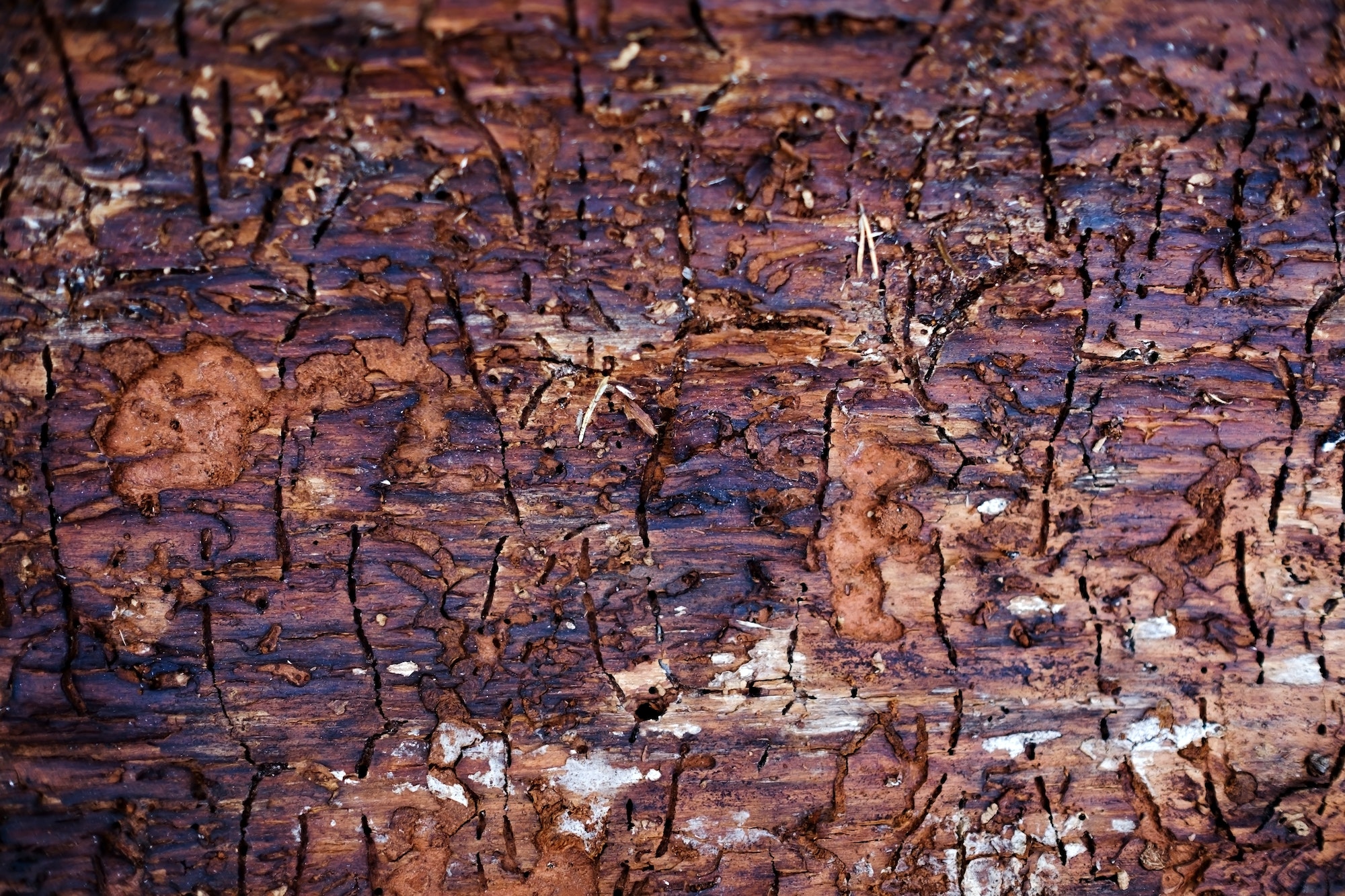
It’s crucial to strictly follow the instructions on the herbicide packaging, as incorrect usage can harm your trees. Eliminating these competitors can help ensure your trees receive the nourishment they need to flourish.

To correct any nutrient deficiencies or other tree issues, contact American Tree Experts Inc. We are a professional tree pruning and nutrient management company. Our experts will develop a customized tree healthcare program and look after your trees as best as possible. Call us at (973) 774-6091 today for a free quote for all your tree-related needs.

Tree Cabling and Bracing Explained: A Comprehensive FAQs Guide

tree cabling and bracing guide

Here is the comprehensive FAQ guide to tree cabling and bracing

Although trees encounter issues that can impact their well-being, trees with compromised structural integrity or fragile branches don’t always need to be removed. Providing support through cabling, bracing, or other tree support systems can be beneficial. Continue reading to explore various kinds of tree support systems through this comprehensive FAQ guide.

What Is Tree Cabling And Bracing?

  • Tree cabling is a simple practice that helps support weak branches. It involves using high-strength cables and bolts to guide a tree’s growth. It holds the tree branches and limbs in place, thus preventing them from growing awkwardly, breaking, or bending. This bracing technique gives the tree the support it needs to continue growing.

The cable is flexible and restricts the movement of the weak branches and allows them to grow in a more controlled manner. In severe cases where a cable cannot offer the required support, rigid bracing rods are installed along with cables to redistribute structural stress. This technique helps support the physical structure of trees while keeping them in their natural environment.

What Are Static Cabling Systems?

  • Static cabling systems aim to rigidly secure branches with metal hardware such as screws or bolts. These screws and bolts are attached to different limbs with galvanized steel or aircraft cable.

While the metal hardware provides secure attachments, it can also serve as an entry point for fungi and pathogens that can cause decay. These are older types of tree support systems. Although still practical, static cabling systems are replaced by dynamic systems.

What Are Dynamic Cabling Systems?

  • Dynamic tree cabling systems are a type of cabling system used to provide structural support to trees. They are designed to allow movement in the tree branches and limbs, providing more natural and flexible support.

Dynamic tree cabling system puts less stress on the tree and uses synthetic materials such as ropes, flexible cables, and attachment hardware, giving the tree more room to sway. The goal is to provide support while still allowing the tree to respond to wind and other environmental factors in a natural way. Thus reducing stress and promoting long-term stability.

How Does Tree Cabling Support The Weak Trees?

This support system improves the structural integrity of weak trees in three ways:

Prevention

  • Tree cabling helps to reduce the risk of limb failure in areas with weak spots or multiple crotches. Crotches are the areas where the tree limbs are separated. Cabling helps to support the tree by distributing the weight of the branches more evenly.

Even if the tree is healthy, adding a few cables can prevent these problems from occurring in the future. In addition, cabling helps improve the tree’s appearance by training the limbs to grow more aesthetically pleasingly.

Preservation

  • Tree cabling preserves a tree’s structural strength. Even if your tree is already compromised, cabling prevents further damage by stabilizing the limbs and trunk so they can’t rub against each other and cause more splits.

Protection

  • tree cabling and bracingSome low-hanging or weak branches are obvious hazards. Tree cabling and bracing can protect these potentially dangerous trees on your property. An arborist may even recommend removing the tree depending on the damage and the tree’s distance from your home. Protective methods are crucial, especially when the trees are present in populated areas.

At American Tree Experts, Inc., we offer the best services to keep your plants out of harm’s way. Our cabling and bracing services ensure your garden has strong and protected trees. Our most sought services are pruning, bracing, pest management, and nutritional management. We offer services in Montclair, New Jersey. Call us at (973) 744-6091 for a free quote.

Fungal Tree Diseases: Causes And Symptoms

causes and symptoms of fungal tree diseases

Fungal tree diseases exposed – Learn the signs and solutions

From harmless shelf mushrooms to more harmful varieties that seriously threaten trees, various types of tree fungi can appear on your trees. While a tree can’t be cured of fungus, you can force the fungus to go into a state similar to remission to allow your tree to regain its health. Keep reading to learn the signs of different fungal tree diseases to prevent diseases in your trees.

Anthracnose Disease

  • An excess of water commonly triggers anthracnose diseases. Rainy weather and springtime tree watering expose trees to fungal invasions. These trees become open targets for secondary invaders.

Common symptoms of anthracnose diseases include:

  • Young leaves may appear deformed, curled, or distorted, along with the presence of brown patches.
  • Fully grown leaves have dark brown spots on their otherwise normal surface, displaying signs of pest harm.
  • Symptoms may subside during dry spells but resurface following rainfall.

Sooty Mold

  • The presence of sooty mold on tree leaves can indirectly impact the tree’s health. Sooty mold forms a layer that restricts the tree’s ability to capture sunlight and interferes with its capacity to produce essential nutrients. When the tree is deprived of these nutrients, the chances of survival decrease significantly.

Additionally, the presence of sooty mold often indicates an underlying pest issue. Sooty mold is typically a consequence of the buildup of honeydew on plant surfaces. Honeydew is a substance excreted by pests like aphids and scale insects.

Common symptoms include:

  • Coating of black mold on leaves and nearby plants.
  • Impaired tree growth leads to stunted development.
  • Premature defoliation or shedding of leaves.
  • Infestation of tree pests such as lace bugs, scale insects, and aphids that extract sap from the tree.
  • Residue of honeydew dripping from the plant.

Powdery Mildew

  • Like sooty mold, powdery mildew also covers leaves and prevents the tree from receiving vital nutrients necessary for survival. Over time, the prolonged stress weakens the tree’s defenses, making it more vulnerable to other diseases or infestations by pests. Typically, the wind carries powdery mildew, transferring it from an infected plant to a healthy one.

Common symptoms include:

  • Presence of white to grayish spots or patches on leaves.
  • Leaves begin to dry out and show a yellow or scorched appearance. They may also deform, twist, or break under the influence of the disease.

Cercospora Leaf Spot

  • The usual damp and warm spring conditions create an ideal environment for developing Cercospora leaf spot disease on tree leaves. This disease can start as small spots on the leaves.

However, as the disease advances, these spots spread across the foliage. Consequently, the leaves lose their ability to function effectively and eventually drop from the tree. Frequent defoliation affects a tree’s overall health.

Common symptoms include:

  • Formation of circular leaf spots with purple or dark brown borders.
  • The presence of tiny black specks indicates the presence of fungal spores.

Phytophthora Root Rot

  • fungal tree diseasesIt commonly occurs when the soil surrounding the tree’s base remains excessively damp over extended periods. Phytophthora root rot adversely affects the tree’s root system, weakening its structural stability and potentially giving rise to further issues like property damage and even accidents. Untreated cases over several years can lead to the tree’s death.
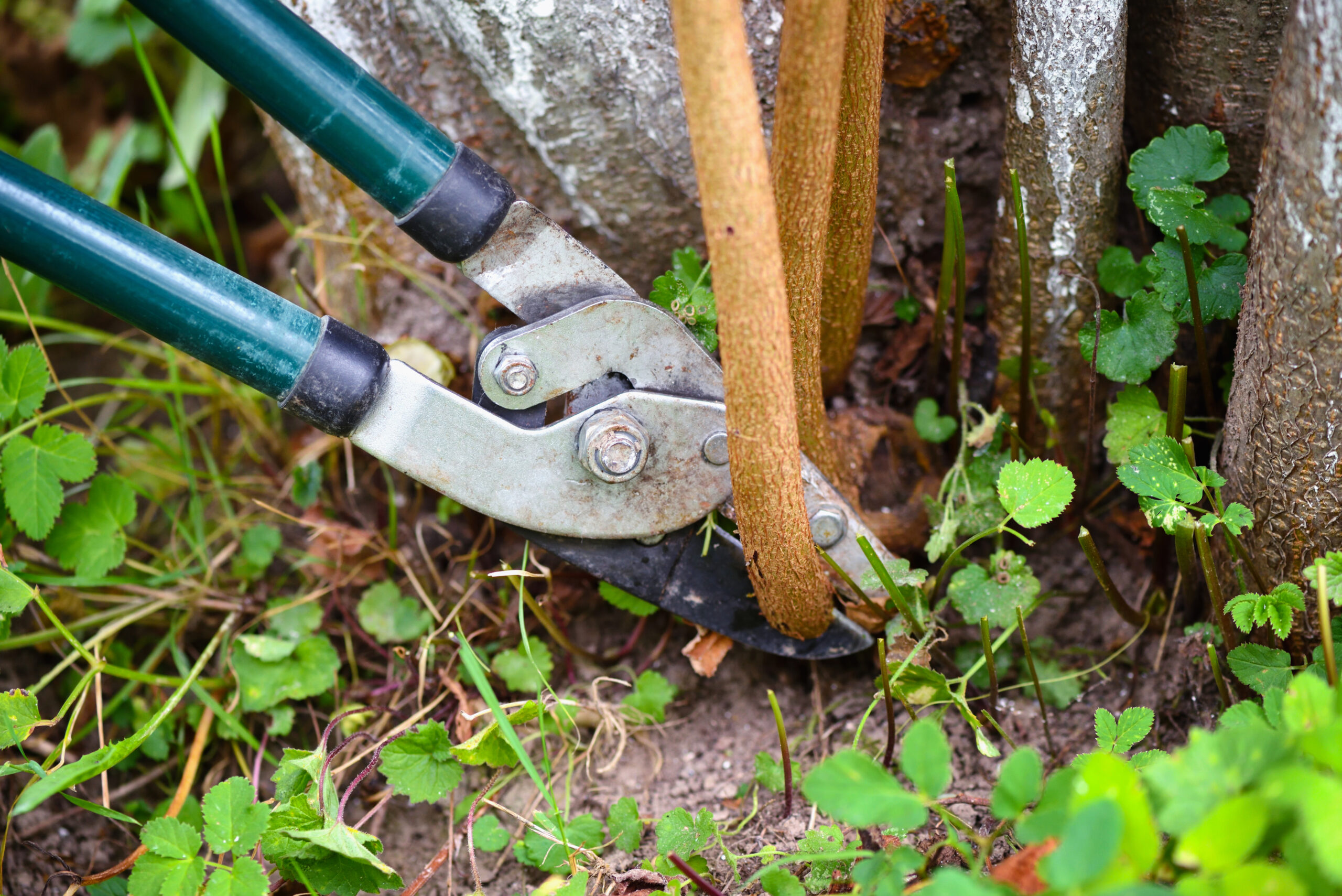
Common symptoms include:

  • A darker shade bark.
  • Stunted tree growth.
  • Yellowing or browning of leaves.
  • Drooping and curling leaves.

At American Tree Experts, Inc., we offer the best services to keep your plants out of harm’s way. Our pest management services ensure your plants are protected against pests and diseases. Our most sought-after services are pruning, bracing, pest, and nutritional management. We offer services in Montclair, New Jersey. Call us at (973) 744-6091 for a free quote.

A Comprehensive Guide To Pruning Tree Roots

guide to pruning tree roots

Why pruning tree roots matters – Exploring benefits and techniques

Roots are a critical part of a tree that maintains its health and stability. While sometimes roots need pruning, incorrect techniques can lead to the death or toppling of a tree. Therefore, root pruning should not be attempted without proper experience and knowledge. Read this guide to pruning tree roots to make well-informed decisions.

Factors To Consider Before Pruning Tree Roots

Here are some of the important factors to consider before you opt for root pruning:

Tree’s Age

  • The tree’s age determines how it responds to root pruning. While a young tree responds to root pruning much better, older, mature trees are susceptible to damage. Since young trees have smaller root diameters, small cuts are required. This means the tree does not have to work as hard to heal the cuts. On the other hand, pruning large roots in older trees can affect the tree’s stability, and any wrong cuts can result in the tree toppling over during windstorms.

Number Of Roots That Need Pruning

  • When it comes to root pruning, the fewer roots you prune, the safer it is for the tree. Pruning excessive roots can affect how the tree receives its water and nutrient supply and may affect its stability.

Tree’s Health

  • A sick or stressed tree will not respond to root pruning like a healthy tree. Therefore, it is essential to conduct a health assessment test of the tree before pruning its roots. While a healthy tree can divert nutrients wherever needed, a sick tree does not have enough resources to begin the healing process. Thus, pruning the roots of a sick tree can result in its deterioration and death.

Tree Species

  • The way a tree may respond to pruning depends on its species. For instance, some species can tolerate heavy root pruning without problems, while others may suffer even from minimal root pruning. Since different trees have different root architectures, their stability varies. A tree with a sinker root system can tolerate the pruning of roots close to the trunk, as this root system consists of a broad plate of lateral roots.

Vertical roots that grow deep underground develop from these lateral roots, creating a root cage that holds much soil. Therefore, significant force is required to move a tree with a sinker root system. So, these trees tolerate root pruning near the trunk. Additionally, many young trees initially have a sinker root system, which makes them resistant to root pruning.

Guidelines For Root Pruning

  • pruning tree rootsThere are different guidelines for different trees. A mature tree’s roots should not be cut closer than 6-8 inches from the trunk for each inch in trunk diameter. For instance, if the tree’s diameter is 20 inches, cut at least 10 feet away. Alternatively, prune roots no closer to the trunk than a distance equal to 3 to 5 times the trunk diameter. On the other hand, a young tree can withstand complete root pruning on one side at a distance equal to 5 times the trunk diameter without affecting its stability.

Regardless of the rule you choose, recognizing that root pruning can lead to trees falling over or dying is crucial. In contrast, large trees on well-drained soil may not topple due to deeper sinker roots beneath the trunk. Fewer deep roots support the tree on poorly drained and compacted soils, increasing the risk of instability. Therefore, caution and informed decision-making are critical when considering root pruning to preserve the health and stability of trees.

If you are looking for the best pruning and tree removal services for your trees, contact American Tree Experts Inc. today. We are a group of tree experts working in Montclair, New Jersey. Call us today at (973) 744-6091, and we will give you a fantastic quote for free.

The Best Drought-Tolerant Trees for Your Garden

best drought-tolerant trees 

Discover the top drought-tolerant trees for your garden and embrace nature’s resilience

During scorching summer days, a cooling shady tree becomes a perfect spot for picnics, playdates, or unwinding with a great book. However, in yards prone to drought, the key is to choose a tree with deep roots that can endure dry weather. While drought-tolerant trees take longer to establish their root system, these hardy trees require minimal to no supplemental water except during severe drought periods. We have listed the best drought-tolerant trees to plant in your garden.

Bur Oak

  • With its robust branches, deep-reaching roots, and a lush, shade-protective canopy, the Bur Oak is your lawn’s superhero. It is native to the Great Lakes region and has impressive attributes, making it a rewarding addition to any landscape.

It is known for its winter hardiness, resistance to insects and deer, and ability to thrive in less-than-ideal soil conditions. In addition, the Bur Oak grows rapidly and reaches great sizes. Once firmly established, these trees can last 200 to 300 years. Moreover, this tree provides bird nesting spots, and its pollen becomes food for butterflies, moths, and bees.

Notable Traits

  • Hardiness Zones: Suitable for zones 3-8
  • Sun Exposure: Thrives in full sun and partial shade
  • Soil needs: Adaptable to sandy, loamy, and clay soil types; requires well-draining conditions
  • Foliage Type: Deciduous, shedding leaves in the fall
  • Mature Size: Reaches an impressive height and width of 70-80 feet.

Maidenhair Tree

  • Maidenhair trees, also known as ginkgos, are the oldest surviving tree species on the planet. The perfectly adapted ginkgos have survived through prehistoric eras to make it to today. They have beautiful, fan-shaped leaves that turn golden in the fall, making them a stunning addition to gardens, spacious backyards, and expansive walkways. Although the ginkgo species may be over 200 million years old, they excel as city trees, displaying remarkable tolerance to car exhaust, smog, and road salt.

Like the Eastern Red Cedar, Ginkgos are dioecious, meaning they have separate male and female plants. While they don’t produce conventional flowers, female ginkgos bear yellow-orange plum-sized fruits if germinated. These fruit trees can create a mess and give an unpleasant odor. Therefore, it is advisable to opt for male ginkgos.

Notable Traits

  • Hardiness Zones: Suitable for zones 3-9
  • Sun Exposure: Flourishes in Full sun
  • Soil Needs: Adaptable to Sandy, Loamy, and Clay soils; requires excellent drainage
  • Foliage Type: Deciduous, shedding leaves in the fall
  • Mature Size: Grows to an impressive height of 40-80 feet and a width of 30-40 feet.

Eastern Red Cedar

  • If you live in a dry region along the East Coast, the Eastern Red Cedar is a must-have tree in your garden. This evergreen beauty exhibits exceptional drought resistance among all the conifers native to the eastern United States. With its captivating pyramidal structure and dark green to blue needles, the Eastern Red Cedar makes a stunning specimen plant to show off in your garden or yard. They have remarkable hardiness, allowing them to flourish in salty, nutrient-poor soils.

Moreover, they attract native butterflies, songbirds, and buzzing bees, enhancing the natural beauty of your landscape. It has separate male and female trees. Planting male and female trees together is advisable to ensure pollination and produce lovely seed cones resembling frosty blueberries in fall.

Notable Traits

reddrought-tolerant treesHardiness Zones: Thrives in zones 2-9

Sun Exposure: Flourishes in full sun and partial shade

Soil Needs: Adaptable to sandy, loamy, clay, and rocky soils; requires excellent drainage

Foliage Type: Evergreen, retaining its lush foliage year-round

Mature Size: Grows to an impressive height of 30-40 feet and a width of 10-20 feet.

If you are looking for the best pruning and tree removal services for your trees, contact American Tree Experts Inc. today. We are a group of tree experts working in Montclair, New Jersey. Call us today at (973) 744-6091 with your pruning and other queries, and we will give you a fantastic quote for free.