American Tree Experts

Effective Strategies For Protecting Your Trees During Storm

strategies for protecting your trees during storms

Master the art of tree protection – Strategies for protecting your trees during storms

Unhealthy or weakened trees pose a significant risk of falling onto homes and properties, especially during stormy weather. However, through proper tree maintenance and proactive measures, trees can become more resistant to storm damage. This article highlights effective strategies to help you protect your trees during a storm.

Keep Your Trees Healthy

  • The best way to protect your trees from storm damage is to keep them healthy. A healthy tree is stronger and more capable of withstanding harsh weather. It’s crucial to ensure proper maintenance of your trees consistently throughout the year to prevent problems before they occur. Regular maintenance, including pruning, watering, and fertilizing, will keep your trees in top condition.

Schedule Regular Tree Inspections

  • It’s better to call an arborist for an inspection than for an emergency tree removal. Schedule a professional arborist to examine your trees. They can identify any issues, such as diseases, pest infestations, or structural problems. They can also determine if a tree is dead and poses a fall risk and will recommend the best course of action.

Prune Regularly

  • Proper pruning strengthens a tree by enhancing its structural integrity, enabling it to withstand storms better. Effective pruning involves removing dead, dying, and weak branches, which fosters proper growth and maintains good structural form. Over time, this makes trees more resistant to storm damage and reduces the likelihood of branches breaking during storms.

However, pruning should generally be performed by a professional arborist who knows the correct techniques to benefit the tree’s health. Incorrect pruning can harm a tree, making it more susceptible to diseases and structural weaknesses, increasing the risk of it falling during severe weather.

Strengthen the Root System

  • The root system is crucial for anchoring a tree securely to the ground. Trees with deep, strong roots are more likely to withstand storms compared to those with shallow, weak roots. To enhance the strength of your trees’ roots, avoid activities that could disrupt the soil around them.

Construction work, digging, and other heavy activities can harm the roots and soil structure. Keeping the area around your trees undisturbed helps maintain a stable foundation.

Protect the Tree Trunks

  • Adding extra protection to your tree trunks can be beneficial, especially in extreme weather conditions. Wrapping trunks with protective materials can protect young or vulnerable trees from damage caused by strong winds.

Additionally, consider setting up a staked tent around trees to offer extra shelter during severe weather. This method is particularly useful for trees in exposed locations or when high wind speeds are expected.

Consider Anchoring Young Trees

  • protecting your trees during stormFor younger trees that have yet to establish their root systems fully, anchoring can provide extra stability during storms. Secure stakes around the tree, connecting them with flexible materials like soft straps or ropes just before a storm is expected. This method helps prevent the tree from toppling over due to strong winds.

However, it’s important to allow some movement. Overly tight anchoring can restrict natural movement and actually increase the risk of the tree falling. After the storm, remember to remove the stakes to avoid hindering the tree’s growth and development.

Regular Monitoring

  • Regularly check your trees for any signs of distress or abnormal changes, such as alterations in leaf color, damage to the bark, or changes in trunk structure. Early detection of these symptoms can allow for prompt treatment and management, preventing further deterioration. If you notice anything unusual, address it quickly to mitigate any risks and keep your trees healthy.

If you are looking for the best pruning and tree removal services for your trees, contact American Tree Experts Inc. today. We are a group of tree experts working in Montclair, New Jersey. Call us today at (973) 744-6091, and we will give you a fantastic quote for free.

6 Reasons Why You Need To Prune Your Trees Regularly

why you need to prune your trees regularly

Garden excellence – Discover 6 reasons to prune your trees regularly

Pruning is an important practice for maintaining the health and beauty of your trees. Regular pruning serves as a protective measure to mitigate potential risks posed by overgrown branches and structural weaknesses. From promoting growth to enhancing safety and aesthetics, pruning offers various benefits. Keep reading to learn why you need to prune your trees regularly.

Eliminating Dying Branches

  • Safety is among the top reasons for hiring a tree service to prune your trees. It’s not unusual for certain tree branches to die and dry over time. As a result, even strong winds can cause the weakened branches to fall off.

Depending on their location, they could cause damage to your roof, become entangled in power lines, or obstruct roads, posing various hazards. Promptly addressing these dying sections through routine pruning can enhance overall safety and minimize risks.

Thinning Out the Canopy

  • While trees provide much-needed shade from the scorching sun, excessive growth density can adversely affect surrounding plants. Overly dense canopies restrict sunlight and rain from reaching the plants and grass beneath, impairing their growth.

Pruning involves thinning the canopy, allowing sunlight and rain to permeate the branches and reach the plants at ground level.

Identifying Infections and Diseases

  • In addition to enhancing aesthetics, tree trimming is a diagnostic tool for assessing tree health. Regular trimming reduces branch overgrowth, providing clearer visibility to identify signs of disease or insect infestation.

Early detection allows for targeted pruning or treatment, preventing the spread of disease and potential tree damage. Regular tree trimming is thus essential for maintaining tree health and managing disease severity.

Shaping New Growth

  • When left unchecked, trees can grow wild and take uneven shapes. By working with tree service experts, you can sculpt your trees to achieve the desired aesthetic, ensuring they enhance the beauty of your landscape. Tree pruning can significantly influence a tree’s growth pattern. A tree can be guided to develop a specific arrangement of limbs and branches, which is more beneficial for its overall structural integrity.

This careful maintenance reduces the risk of limb breakage and falling branches. It also ensures that the tree maintains a safe branch structure and even weight distribution. Moreover, structural pruning can enhance the tree’s visual appeal. If aesthetics are a priority, proper pruning can direct the tree to grow in the desired, aesthetically pleasing manner.

Enhancing Fruit Production

  • Pruning is essential for properties with fruit-bearing trees like chokecherries, apples, or apricots. By removing weak or dying branches from your fruit trees, you promote healthier growth in the remaining areas. Since large trees with excessive branches struggle to obtain the required nutrients, trimming the unwanted branches will result in healthier fruit production.

This ensures that vital nutrients are directed toward fruit-bearing branches, optimizing the tree’s ability to produce abundant and healthy fruit. In addition, the decreased competition for nutrients and energy strengthens the fruit-bearing branches of the tree. Thus allowing the tree to produce nutrient-rich and flavorful fruits.

Increasing Energy Production

  • prune your trees regularlySunlight plays a vital role in a tree’s health as it stimulates the photosynthesis process necessary for growth. However, when branches become overgrown, they can obstruct sunlight from reaching the tree’s leaves, limiting its energy production.

By trimming excess branches, you can enhance sunlight penetration to previously shaded areas, thereby increasing the tree’s energy production. This enables the tree to thrive and grow more vigorously, reaching its full potential.

Don’t allow your trees to grow wild. Take action now to maintain their health and enhance the beauty of your landscape. If you are looking for the best pruning and tree removal services for your trees, contact American Tree Experts Inc. today. We are a group of tree experts working in Montclair, New Jersey. Call us today at (973) 744-6091, and we will give you a fantastic quote for free.

How To Tell If A Tree Needs Emergency Removal?

why tree needs emergency removal

Avoid disaster – Recognizing when your tree needs emergency removal

Several property owners hesitate to contact emergency tree removal services until a tree collapses and causes significant damage. This delay often results from the inability to differentiate between a harmless problem and a situation requiring urgent attention. So, how to tell if a tree needs emergency removal?

Here are common tree scenarios that necessitate immediate tree removal.

A Tilted Tree

  • Many property owners overlook the dangers of tilted trees, often considering them natural. However, if left unaddressed, a tilted tree poses a risk of collapse, potentially resulting in damage.

Several factors may cause a tree to lean, including exposure to strong winds. Additionally, diseases such as fungal infections can compromise the tree’s roots and wood, leading to leaning.

Broken Limbs

  • Broken branches are another clear indicator that it’s time to enlist the help of an emergency tree removal service. A skilled tree service professional can safely eliminate broken branches without harming the entire tree.

However, broken branches may also signal a more severe issue, such as a dying or dead tree. If a tree has lost more than 50% of its branches, it is unlikely to survive to the next growing season. In such cases, it is advisable to seek professional removal before the tree collapses and causes extensive damage.

Storm Damage

  • Damaged trees on your property after a storm can pose significant risks. Whether it’s the result of a tornado or heavy winds, fallen trees can wreak havoc on your home, vehicles, and surrounding areas. Even minor storms with gentle gusts of wind have the potential to topple weakened or unhealthy trees.

If left unattended, these trees can cause damage to your roof, leading to leaks and extensive water damage. Additionally, they may pose a threat to your vehicles, resulting in costly repairs. Tree removal professionals have the necessary expertise and equipment to safely remove storm-damaged trees, mitigating further harm after severe weather events.

Dealing with Sick Trees

  • Beyond their visual impact, diseased trees can be a hazard. Pests, fungi, and viruses can infiltrate a tree, slowly weakening it from the inside out. Therefore, it’s imperative to address sick trees promptly.

To identify whether your tree is sick, look for common signs, such as a hollow trunk, dead branches, and decaying roots.

Safety Concerns Around Power Lines

  • Trees and shrubs growing in proximity to power lines pose serious safety risks, potentially leading to fires, power surges, and blackouts. It is essential to ensure that branches and foliage remain clear of power lines and electrical infrastructure.

If you notice trees near power lines, contact your electricity distribution company or hire a tree removal professional to address the issue. Regular trimming or removal of dead, dying, or diseased trees in close proximity to power lines is essential to prevent hazardous situations.

Cracks or Hollows in the Tree Trunk

  • tree needs emergency removalWhen cracks or hollows are present in a tree’s trunk, it may signal an urgent need for emergency services, particularly if the damage extends extensively throughout the trunk. Visible damage on the trunk often indicates internal decay, which compromises the tree’s structural integrity.

Such damage can result from severe weather conditions, diseases, pests, or physical trauma. Immediate attention from tree care professionals is necessary to assess the extent of the damage and devise an appropriate course of action. Certified arborists can provide emergency tree removal services or implement corrective safety measures as needed.

We can treat and prevent your trees from dying and remove dead trees to keep you and your property safe. At American Tree Experts, Inc., we offer the best tree care and tree removal services. Our most sought-after services are pruning, bracing, pest, and nutritional management. We offer services in Montclair, New Jersey. Call us at (973) 744-6091 for a free quote.

5 Trees That Need A Constant Supply Of Water

guide to trees that need a constant supply of water

The essential guide to trees that need a constant supply of water – 5 species unveiled

While many trees benefit from occasional access to water through their roots, some thrive in consistently wet conditions. If you live in an area with frequent rainfall, it’s essential to choose trees that survive in moist environments. This article lists tree varieties that need a lot of water. Keep reading to make informed choices.

The Black Gum Tree

  • Black gum trees are native to the USA and Mexico. They are known for their striking autumn foliage, making them a popular ornamental choice. This slow-growing tree can reach heights of around 50 meters when fully matured and thrives in slightly acidic, highly moist soil conditions.

Often grown in clusters by homeowners, when properly maintained by professional tree pruning services, Black gum trees present a stunning sight. During spring and summer, its foliage is dark green, transitioning to a vibrant mix of red, yellow, purple, and orange hues in the autumn season.

The Weeping Willow

  • It is known for its graceful, drooping branches and vibrant yellow-green foliage. The weeping willow adds a charming touch to moist gardens when given enough space to grow. These majestic trees require significant garden space and should be kept away from septic fields.

With rapid growth rates of up to 2 feet (0.30 meters) per year, they are best suited for spacious environments. If you are looking for a smaller option, the tricolor dappled willow presents a favorable alternative. It is ideal for planting near ponds or in damp locations.

The Bald Cypress

  • It is a deciduous conifer that sheds its needles annually and has the longest lifespan among U.S. trees. While its bare branches may discourage some gardeners, the tree’s magnificent red fall foliage makes up for its seasonal nature.

Native to the United States, the bald cypress is a superior choice over the non-native dawn redwood, particularly for Northern growers.

Growing Tips for Bald Cypress

  • Opt for acidic, moist soil; a pH over 7.5 can be detrimental.
  • Begin with a soil mix containing some sand to promote optimal growth.
  • Ensure ample space, as the tree can reach heights of up to 120 feet!
  • When planted in waterlogged areas, bald cypresses develop intriguing “knees” that protrude from the water, enhancing landscape aesthetics.

The River Birch

  • It is indigenous to the eastern USA and is distinguished by its distinctive peeling bark, transitioning from smooth in young trees to flaky and shedding as it matures. At full maturity, it blooms with catkins, though it’s not ideal for those with pollen allergies.

This fast-growing tree can reach 80 meters in height and has a lifespan of approximately 70 years. Its name stems from its adaptation to stream banks. It thrives in areas with poor soil drainage, making it an excellent choice for gardens with such conditions.

The Sweetgum Tree

  • trees that need a constant supply of waterThe Sweetgum tree’s star-shaped leaves transform into vibrant hues of orange and red during autumn. It is a splendid addition to northern landscapes. This native tree thrives even in areas with poor drainage. However, it’s worth noting that the tree produces spiky “gum balls” that litter the ground during winter and early spring, which may not appeal to those seeking a low-maintenance option.

For a cleaner alternative, consider the black tupelo. In addition, optimal growth occurs in full sun to part shade. Avoid areas with consistent standing water or dries-out soil. Plant in slightly acidic soil with a pH ranging from 5.0 to 7.4.

If you are worried about pruning a tree without damaging it permanently, then contact American Tree Experts Inc. today. We are a highly qualified team of tree-cutting and pruning professionals based in Montclair, New Jersey. Call us today at 973-774-6091 for a free quote.

Understanding Slow-Release Fertilizer And Its Usage For Plants

applications of slow-release fertilizer

Revolutionize your gardening routine – Harnessing the power of slow-release fertilizer

With many fertilizers available, the idea of fertilizing regularly can be confusing. However, different plants and soils need different nutrients. Fertilizers can provide these nutrients immediately or slowly over time. Slow-release fertilizers differ in properties from traditional fertilizers and are gaining popularity. This article highlights the types, usage, and benefits of using slow-release fertilizers.

What is a Slow-Release Fertilizer?

  • Slow-release fertilizers gradually release nutrients into the soil. They are often coated with materials like plastic resin or sulfur-based polymers. These coatings break down slowly due to factors such as water, heat, sunlight, and soil microbes.

Unlike quick-release fertilizers, slow-release fertilizers stay in the soil for longer periods, reducing the need for frequent application. While slow-release fertilizers may be slightly more expensive per pound, their less frequent application makes their overall cost comparable to that of quick-release fertilizers.

Functioning

  • Slow-release fertilizer functions by gradually introducing micronutrients and beneficial microbes into the soil. These nutrients are released over time to support root growth and enhance overall plant health in harmony with soil temperatures and conditions.

Unlike quick-release fertilizers, which provide a sudden influx of nutrients, slow-release fertilizers initiate microbial activity more slowly and steadily.

Types of Slow-Release Fertilizer

  • Selecting the right fertilizer for your garden involves considering your specific needs. Explore these four options to find the perfect fit:

Controlled-Release Fertilizer

  • Also known as CRF, controlled-release fertilizers rely on internal mechanisms to gradually release nutrients, independent of soil conditions. They are ideal for those requiring a consistent nutrient supply over an extended period.

Granular Fertilizer

  • This water-insoluble fertilizer, packaged in pellets or granules, offers a slow release rate. Its solid form helps prevent leaching, ensuring nutrients remain in the soil.

Liquid Fertilizer

  • Slow-release liquid fertilizers are also available, although they are less common than their fast-release counterparts. These water-soluble formulations release nutrients gradually, providing sustained nourishment to plants.

Organic Fertilizer

  • Organic fertilizers, made from organic materials like compost, kelp, and bone meal, offer a chemical-free alternative. Ideal for organic gardening enthusiasts, they ensure gradual nutrient release without synthetic additives.

Common Nutrients Found in Slow-Release Fertilizers

  • Slow-release fertilizers play a crucial role in nourishing plants by supplying essential nutrients. Here are five commonly found nutrients in these fertilizers:

Calcium

  • Calcium is vital for the growth of leaves, fruits, and flowers. Although it is not a primary ingredient in most formulations, calcium is often included in fertilizer blends.

Magnesium

  • Magnesium supports chlorophyll production and aids in photosynthesis, promoting overall plant health.

Nitrogen

  • Nitrogen is among the most prevalent fertilizer components. It exists in various forms, such as ammonium nitrate and methylene urea. Nitrogen is useful for promoting plant growth and vitality.

Potassium

  • Also known as potash, potassium enhances plants’ resistance against pests and diseases. Adequate potassium levels in fertilizer formulations contribute to plants’ prolonged health.

Phosphorus

  • Phosphorus is a vital mineral for plant development. It is essential for every stage of a plant’s lifecycle, from seed germination to root establishment to maturity.

Use of Slow-Release Fertilizers

  • slow-release fertilizerThe choice of slow-release fertilizer should depend on the specific types of plants you are fertilizing. For example, fertilizers designed for turf grasses often have a higher nitrogen content, like an 18-6-12 ratio, and might also contain weed control ingredients, making them unsuitable for flower beds, trees, or shrubs.

Fertilizers tailored for flowering or fruit-bearing plants typically have increased levels of phosphorus, while those for vegetable gardens should include calcium and magnesium. It’s crucial to read and follow product labels carefully to ensure the health and growth of your plants.

Improve your tree growth with American Tree’s tailored nutrient solutions. Contact us today at (973) 744-6091 to access personalized organic and liquid injection fertilizers perfectly suited to fulfill your plants’ nutritional needs. We provide services in Montclair, New Jersey, and nearby areas. Let’s nurture your plants together.

5 Essential Tree Maintenance Tips For Spring

tree maintenance tips for spring

Elevate your garden: 5 must-know tree maintenance tips for spring

As the season transitions, the weather turns sunnier, and trees begin to bloom, it’s crucial to ensure your trees receive the care they need to thrive. It gives the perfect opportunity to step outside and prepare your garden for the upcoming spring and summer seasons. From pruning to watering and everything in between, this article provides essential advice to keep your trees healthy and vibrant throughout the next season.

Clear Debris Around the Tree Base

  • Start your spring cleanup by maintaining the area around the tree’s base. Remove any twigs, leaves, or other debris that may have gathered beneath and around the tree. With the arrival of warmer temperatures, it’s time to remove any protective coverings or plastic previously used during the cold winter.

Raking up accumulated debris, such as old leaves or fallen fruit, is advisable, as this helps protect the tree from diseases or fungi that could persist.

Planting New Trees

  • Trees offer numerous benefits to your property, from noise reduction to soil stabilization and providing habitat for wildlife. They also enhance property values and lower energy expenses. Spring presents an ideal opportunity to introduce trees to your property, as their roots can be established before the onset of summer heat.

Each tree species has its planting preferences, so don’t hesitate to reach out to experts for guidance on the best time to plant a new tree. If you’re curious about which trees to plant in your location to attract bees, birds, and butterflies, arborists can help you make the right choice.

Mulching and Watering Trees

  • Mulching trees in spring is essential for their overall health. Applying mulch helps suppress weed growth and retain moisture in the soil. While particularly beneficial for young trees (under ten years old), older trees also benefit. When applying mulch, aim for a layer that is two to three inches thick and extends a few feet wide around the tree. However, ensure the mulch does not directly touch the trunk, as this can provide a gateway for diseases to infiltrate.

Leave a gap of one to two inches between the mulch and the trunk to prevent such issues. When watering, wait until the soil thaws to avoid runoff. Even in cooler weather, it’s important to prevent the tree from drying out completely. You may need to water the tree multiple times a day to maintain adequate moisture levels.

Fertilizing Trees

  • Spring is an ideal time for tree fertilization. When soil lacks essential macronutrients and micronutrients, fertilization becomes crucial to support tree health. To determine if an established tree requires fertilization, monitor its shoot growth, which refers to the growth occurring within a single year. However, certified arborists consider various factors beyond shoot growth when determining the appropriate fertilization regimen.

In addition, it’s optimal to apply slow-release fertilizer before the tree’s spring growth surge. While the timing of fertilization may vary depending on location, soil conditions, and tree species, a general guideline is to apply fertilizer as soon as the ground becomes workable in spring.

Inspecting Trees for Damage and Disease

  • tree maintenance tipsIn spring, thoroughly inspect your trees for damage or disease. Look out for visible indications such as broken branches, holes, molds, and fungi. Additionally, pay attention to branches that fail to produce flowers or leaves. They are likely dead and should be pruned, preferably by a professional tree pruning service.

During winter, trees may suffer from winter desiccation, or “winter burn,” caused by dehydration in cold conditions. Another concern is winter sunscald, characterized by vertical cracks in tree bark. Pay attention to any discoloration, as it could indicate underlying issues.

Improve your tree growth with American Tree’s tailored nutrient solutions. Contact us today at (973) 744-6091 to access personalized organic and liquid injection fertilizers perfectly suited to fulfill your plants’ nutritional needs. We provide services in Montclair, New Jersey, and nearby areas. Let’s nurture your plants together.

6 Methods To Distinguish Between A Dead And Dormant Tree

how to detect dead and dormant trees

Deciphering nature’s code – Understanding the fine line between dead and dormant trees

In the realm of tree maintenance, accurately distinguishing between a dead and dormant tree is crucial for protecting yourself and your property. While dead trees pose safety risks and necessitate removal, identifying whether a tree is still alive during dormancy can be challenging. We have outlined effective methods to help you distinguish whether a tree is dead or dormant so you can schedule professional tree removal services when necessary.

Examine Buds

  • A simple method to determine whether a tree is dead or dormant is to inspect its buds. Even in dormancy, new buds will emerge from a tree’s crown, indicating that the tree is still alive. Conversely, a dead tree will not produce new buds or display any signs of budding growth anywhere on its structure.

Snap and Scratch Test

  • The snap and scratch test offers a rapid and dependable means of distinguishing between a dead tree and one in dormancy. In a healthy tree, branches should bend rather than break when subjected to pressure. This resilience is attributed to the cambium layer beneath the bark, which should appear fresh, green, and slightly moist.

Conversely, if a branch snaps and reveals dry tissue beneath the bark, it indicates the tree is likely dead. Additionally, gently scratching the bark can expose and evaluate the underlying tissue for further confirmation.

Assess Roots

  • The root system is an essential component of a tree’s well-being. It can also provide information about a tree’s overall health. Deteriorating roots indicate that the tree is already dead or dying. It is essential to observe any signs of fungi growth at the tree’s base or within the surrounding soil, as these are common indicators of decomposition.

Evaluate The Health of Trunk

  • The trunk is a tree’s primary support structure and plays a critical role in determining its health and vitality. Any indications of trunk deterioration or damage can provide clues about the tree’s overall condition. A strong trunk should stand upright without visible signs of harm, such as cracks, splits, wounds, or decay.

Additionally, it should maintain a consistent diameter and show no abnormal swelling or shrinkage. Conversely, a deceased or dying tree often displays signs of trunk decay, including soft or mushy areas, bark loss, or hollow sections.

Bark Inspection

  • Similar to a snake shedding its skin, a healthy tree undergoes cycles of shedding old bark and regenerating new layers. In contrast, a dead or dying tree cannot undergo this process, resulting in unhealthy bark displaying signs such as peeling or discoloration.

Detection of Diseases, Pests, and Parasites

  • dead and dormant treeThoroughly examining your tree for signs of diseases, pests, or parasites can help you differentiate between dormancy and death. Common tree diseases, including fungal, bacterial, and viral infections, as well as various forms of blight, often show visible symptoms such as discoloration, wilting, cankers, lesions, or abnormal growth patterns.
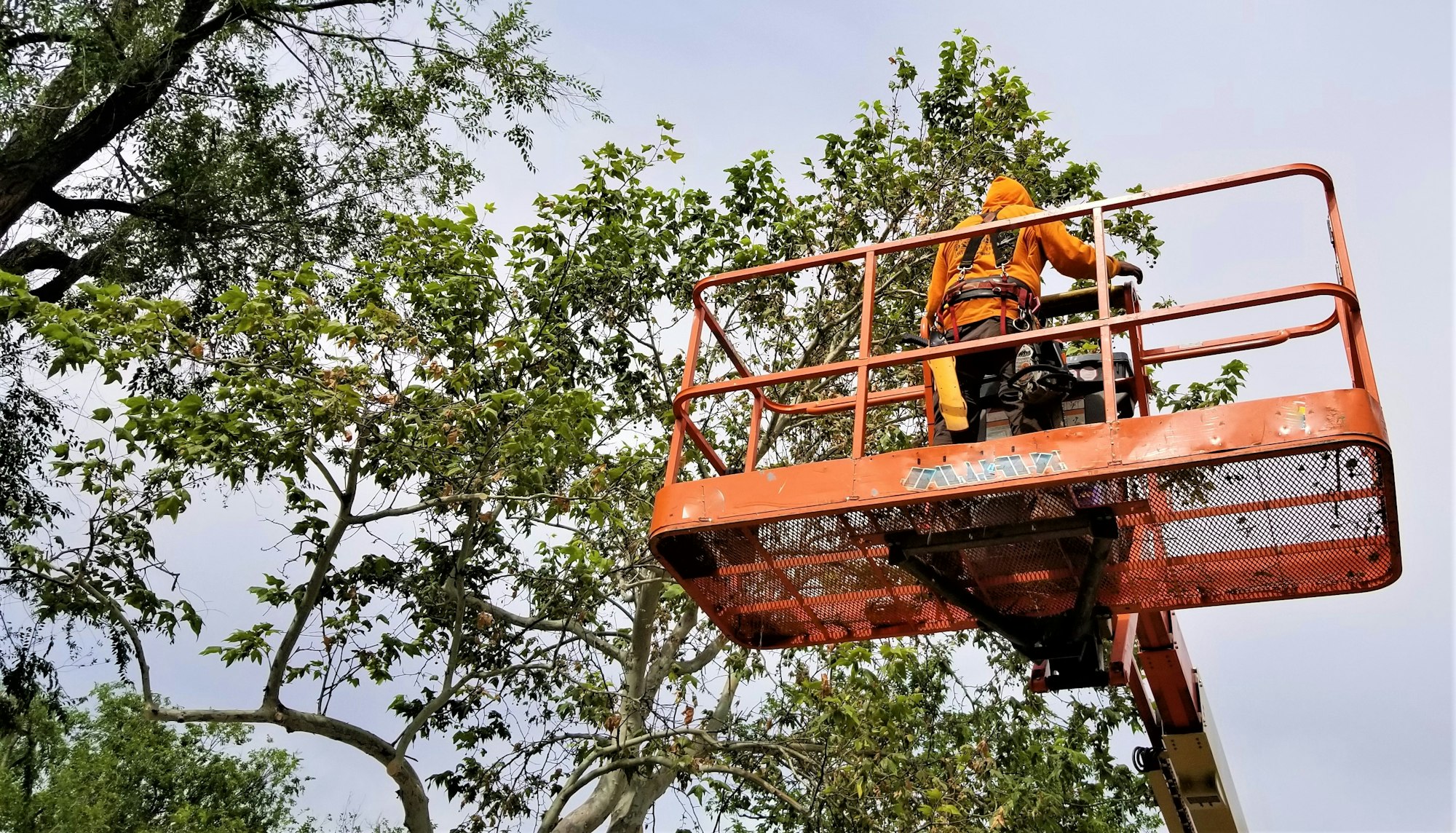
These indicators can be identified by carefully inspecting the tree’s foliage, branches, and trunk. Severe symptoms, such as extensive dieback or complete defoliation, are more indicative of tree death or decline rather than dormancy.

Takeaway

  • Accurate determination of whether a tree is dead or dormant is essential, as dead trees pose significant safety risks and should be promptly removed. Properly inspect your trees to identify the dead and dying trees and make well-informed decisions regarding the necessary tree care services.

We can treat and prevent your trees from dying and remove dead trees to keep you and your property safe. At American Tree Experts, Inc., we offer the best tree care and tree removal services. Our most sought-after services are pruning, bracing, pest, and nutritional management. We offer services in Montclair, New Jersey. Call us at (973) 744-6091 for a free quote.

A Guide To Safe And Efficient Tree Trimming

efficient tree trimming

The ultimate tree trimming checklist – Ensuring safety and efficiency every time

Trimming branches and limbs from a tree is more challenging and riskier than completely removing them. This task requires specialized skills such as tree climbing and pruning, often involving the use of portable power tools like trimmers and chainsaws. Electrocution and falling from tall trees are among the primary causes of fatalities during tree trimming activities. This article is a comprehensive guide to safely trimming trees.

Select A Day With The Right Weather

  • Selecting a day with ideal weather conditions is crucial when planning to trim or prune trees. The best times for pruning deciduous trees are in late fall or early winter after the trees have shed their leaves. During this period, the bare branches make the tree’s structure visible, enabling accurate and precise pruning.

Conversely, evergreen trees are best pruned lightly in late winter. It’s advisable to avoid pruning activities from January through early March. Moreover, exercise caution by avoiding tree trimming when it’s windy, stormy, wet, or icy. These weather conditions can pose significant risks, particularly when dealing with tall trees that require climbing.

Inspect for Potential Hazards

  • Conduct a thorough inspection of the tree and its surrounding area for potential hazards, such as electrical lines and broken tree limbs, before trimming or pruning. Eliminate any identified hazards before working to maintain safety.

Utilize Appropriate Tools

  • Ensure the selection of appropriate tools for tree trimming and pruning. Carefully evaluate the task’s requirements and choose the correct tools to facilitate efficient and safe completion.

Use Protective Gear

  • When using equipment such as chainsaws or trimmers, protect your hands by wearing leather lineman’s gloves. Additionally, shield your head with a protective helmet or hard hat, your ears with appropriate ear protection, and your eyes with comfortable eye protection.

Ensure your footwear consists of shoes with heels and slip-resistant soles to minimize the risk of slipping. For added safety when working near electrical wires, opt for long-sleeved, close-fitting clothing paired with a non-conductive hard hat.

Obtain Adequate Training

  • It’s crucial not to operate a chainsaw or an aerial lift without proper training. Ensure you’ve undergone sufficient training to use the necessary tools for trimming or pruning, including climbing the tree safely.

Verify Tool Condition

  • Thoroughly inspect your tree trimming equipment, including harnesses, ladders, climbing ropes, and latches, to ensure they are in optimal condition.

Double-check the condition of your tools and sharpen them as necessary to guarantee both efficiency and safety during operation.

Close Supervision of The Tree

  • Closely supervise the tree for weak or dead limbs. Remove or break any identified dead branches, as relying on split, weak, or dead branches for support is unsafe. During climbing, place hands or feet on separate limbs and progress cautiously, moving only one step at a time. If the tree’s condition poses risks, consider utilizing an aerial lift for safer access.

Plan Emergency Safety Routes

  • Plan alternate safety routes in the event of an emergency. By planning for potential accidents involving yourself or nearby individuals, you can minimize the impact of such incidents as much as possible.

Ensure the Safety of Nearby Individuals

  • tree trimmingBy clearly marking the work area, prioritize the safety of co-workers, pedestrians, and other individuals in the vicinity. If the tree extends over a roadway, consider using signs and cones to redirect pedestrian and vehicular traffic as needed. Additionally, wearing high-visibility clothing enhances visibility, allowing people to spot ongoing activities from a distance easily.

If you are looking for the best pruning and tree removal services for your trees, contact American Tree Experts Inc. today. We are a group of tree experts working in Montclair, New Jersey. Call us today at (973) 744-6091, and we will give you a fantastic quote for free.

Expert Tips For Pruning Your Trees

tips for pruning your trees

Here is the list of expert tips for pruning your trees for maximum beauty and health

Trees are pruned for various reasons, all aimed at enhancing the appearance and growth of the tree. While trees can grow without pruning, this regular upkeep ensures they reach their maximum potential and longevity. However, it’s crucial to prune the tree using proper methodology and techniques; otherwise, you risk causing more harm than good. In this guide, we’ll explore essential tips for tree pruning, covering fundamental and critical aspects of the process.

Prune Trees at The Right Time

  • Late fall and early winter are the ideal periods for pruning trees, while most evergreen trees benefit from light pruning in late winter. During this time, the absence of foliage allows for a clear view of the tree’s structure. It’s advisable to refrain from major tree pruning during maple sugar time, typically from January through early March in many regions.

For oak trees, which are susceptible to beetle attacks and oak wilt, it’s best to avoid pruning during late spring through midsummer when these pests are most active. Delaying pruning until fall or winter could exacerbate tree damage or facilitate infection, especially in the case of diseased branches. When dealing with diseased branches, sanitize the pruning blade by dipping it in a 10 % bleach solution between each cut to prevent disease transmission.

Remove Larger Branches in Steps

For larger branches, it’s advisable to remove them in three steps:

  • Begin by making a shallow cut on the underside of the branch, approximately 4-5 inches from the trunk.
  • Proceed to cut the branch off about 2-3 inches from the initial incision. This initial cut serves to prevent the bark from peeling down the side of the trunk when the weight of the unsupported branch causes it to fall.
  • Finally, make the last cut to remove the remaining stub. Ensure this cut is made just outside the branch collar, which is the slightly swollen area where the branch and trunk intersect.

Remove Damaged Branches First

  • The primary objective of tree pruning is to enhance its overall health. It’s crucial to prioritize the removal of any parts damaged by storms or disease. This ensures that nutrients are evenly redistributed to the tree’s healthy sections.

Before starting the pruning process, observe the tree’s major branches, which form its structural framework. Avoid removing these branches, as they play a vital role in providing support and nourishment to various other parts of the tree.

Remove Stub

  • Stubs often result when branches break off in the wind or are cut too far from the tree’s attachment point. It’s crucial to remove these stubs promptly. Leaving a stub can hinder the formation of a protective callus, leaving the wound vulnerable to insect infestation.

Once insects penetrate, moisture and decay can set in. When eliminating an old stub, take care not to cut into the swollen callus tissue forming near the trunk. This callus tissue is essential for sealing the wound effectively.

Gentle Pruning is Ideal

  • pruning your treesIt’s advisable to approach pruning with a gentle touch. Reserve heavy pruning for situations where the tree is severely infested or diseased. Each pruning cut weakens the tree’s immune system slightly, making it more susceptible to pests and fungal infections.

As a general guideline, avoid removing more than 25% of a tree’s branches in a single season. Ensuring that at least 75% of a deciduous tree remains adorned with living branches is essential. This coverage is vital for nutrient distribution and maintaining the tree’s ecosystem.

Following these tips will ensure healthy and beautifully sculpted trees. If you are new to gardening, call in the pros and let them prune your trees. American Tree Experts provides tree pruning and removal services in Montclair, New Jersey, and surrounding areas. Call them at (973) 834-7797 to get a free estimate of the services.

3 Common Types Of Organic Fertilizers And Their Usage

types of organic fertilizers

Boost blooms & banish blandness – Your guide to using organic fertilizers like a pro

Organic fertilizers contain natural materials, some of which can be sourced from the backyard. They contribute to the prolonged well-being of the soil, posing fewer risks to water supplies and the delicate microorganisms inhabiting the soil. Keep reading to explore different types of organic fertilizers and their appropriate usage.

Types of Organic Fertilizers

  • Organic fertilizers typically fall into three main categories: animal-derived, plant-based, and mineral-based.

Let’s explore each one in detail.

Plant-Based Fertilizers

  • Plant-based fertilizers, particularly compost, are among the simplest to produce at home. Compost can be made from kitchen scraps, yard trimmings, grass clippings, and other plant-based materials. The N-P-K ratio of compost varies based on its composition but is generally around 1-1-1, providing a well-balanced additive for gardens. Beyond its role as a fertilizer, compost enhances soil texture, promoting better water absorption.

Other plant-based fertilizers include kelp or seaweed meal, corn gluten meal, and alfalfa meal. Corn gluten meal is commonly applied to lawns and has shown weed-suppressing properties in addition to fertilization benefits. A noteworthy category of plant-based fertilizers is cover crops planted before or after a main crop in a vegetable bed. These crops minimize water run-off, prevent erosion, boost soil organic matter, and aid nutrient retention. Some, like clover, contribute to nitrogen fixation, enhancing its availability to plant roots.

Animal By-Products

  • Among the well-known organic fertilizers, animal by-products are a prominent category. Manure, derived from animals such as horses, cows, rabbits, or chickens, is widely utilized. Additionally, bat guano and worm castings (manure) are highly valued resources for garden enrichment. Various animal by-products include meals derived from bones, blood, or feathers of commercially slaughtered animals.

Fish emulsion and products containing shellfish are also used as fertilizers. The N-P-K ratio of animal-based fertilizers varies. Chicken manure, for instance, has an approximate ratio of 3-2.5-1.5, while cow manure presents a ratio of 1-1-1. Seaweed contributes a balanced ratio of trace minerals, and blood meal is nitrogen-rich, promoting early-season growth.

Mineral-Based Fertilizers

  • Mineral-based products are frequently utilized to address specific issues in gardening. One prevalent scenario involves soil pH, where the soil may lean towards acidity or alkalinity. Most gardens are around neutrality (pH 7.0). However, when aiming to cultivate acid-loving plants like blueberries or hydrangeas, altering the pH becomes essential.

Aluminum sulfate is used to lower pH, and lime to increase it. Rock phosphate is another common mineral-based fertilizer that enriches the soil with phosphate. Greensand is extracted from the ocean floor and contains iron oxide, magnesia, lime, and various trace minerals, fostering plant growth.

How to Apply Organic Fertilizers?

  • organic fertilizersOrganic fertilizers can be applied more generously to your plants. When using store-bought products, it’s crucial to follow the instructions provided. If you’re using homemade fertilizer, exercise caution, particularly when using manure. Allow the manure to age for four months to a year before applying it to your plants. Aged manure can be introduced into holes for planting shrubs or trees, scattered around mature plantings, or placed next to cultivated vegetables throughout the year.

For granular fertilizers like Greensand, a hand broadcaster can facilitate application in larger gardens, or you can evenly distribute handfuls around your plants. For greensand, it’s suggested to apply 50-100 pounds per 1,000 square feet. Some gardeners advocate for foliar feeding, involving dissolving fertilizer in water and spraying it on plant leaves. Compost tea, a popular variation, can be made by dissolving compost or worm castings in a five-gallon bucket filled with water.

Improve your tree growth with American Tree’s tailored nutrient solutions. Contact us today at (973) 744-6091 to access personalized organic and liquid injection fertilizers perfectly suited to fulfill your plants’ nutritional needs. We provide services in Montclair, New Jersey, and nearby areas. Let’s nurture your plants together.