American Tree Experts

5 Must-Know Tips For Safe Tree Removal

tips for safe tree removal

Get the lowdown on safe tree removal: 5 tips you can’t afford to miss

Although tree removal is considered the last resort, sometimes it becomes inevitable to maintain the trees’ well-being. Therefore, hiring trained professionals to conduct tree removal services is crucial. However, there are a few safety considerations that must be addressed. Keep reading to learn about essential tips for safe tree removal.

Thorough Tree Inspection

  • Before deciding to cut down a tree, it is crucial to conduct a comprehensive inspection. A tree should only be removed when it is necessary. During the inspection, considering the purpose of tree removal is essential.

For example, trees are usually removed to create more space, prevent a disease from spreading or eliminate dead parts. By remembering the purpose of tree removal, one can prevent the accidental removal of a healthy tree.

Check Power Lines

  • When dealing with a tree near power lines, it is essential to be cautious. Assume that the power lines are energized, which can make them very hazardous. Before planning to remove the tree, contact the local utility company to determine the best course of action for safely removing the tree near the power lines.

According to the U.S. Occupational Safety and Health Administration, any tree within a 10-foot range of power lines must be removed by a trained line-clearance tree remover, accompanied by a second trained remover within voice range to ensure effective communication. This will help ensure the safety of all involved and prevent any potential accidents.

Plan Ahead

  • Planning is essential to ensure a safe tree removal, even if the tree is not located near power lines. Before initiating the removal process, the tree removal service should thoroughly examine the site for potential hazards, such as weak limbs or broken branches, especially if workers need to climb the tree.

If the tree is large, determine the best approach for dismantling it into smaller pieces for easier removal. In addition, weather conditions should also be considered, as carrying out the removal process on a windy, rainy, or snowy day could increase the risk of danger.

Prioritize Safety

  • While removing a tree, prioritize safety using appropriate safety gear and equipment. Workers in tree removal should wear heavy-duty work gloves to protect their hands from cuts, splinters, and other potential injuries. Safety goggles or glasses should also be worn to prevent debris from flying into the eyes, and a hard hat should be used to protect the head from falling branches or debris.

When workers climb the tree to dismantle it, using a safety harness with lines attached is crucial to prevent falls. Additionally, all other equipment and tools, such as chainsaws, should be adequately maintained and tested before removal to ensure their safety and reliability.

Stay Vigilant Throughout the Process

  • safe tree removalStaying vigilant throughout the tree removal process is crucial to ensure safety. Having multiple people present during the process can provide multiple sets of eyes and ears to identify potential dangers. In addition, maintaining communication among them is necessary to ensure the safe removal of the tree.

Workers should remain cautious and never turn their back on it, even after the tree has been cut down. There is always a risk of branches, twigs, and other debris falling from the tree during the process. Moreover, workers should be prepared to move out of the way quickly in case of unexpected occurrences. One can ensure a safe and successful tree removal by remaining alert and prepared.

For the most professional, safe, and affordable tree removal services, contact American Tree Experts Inc. We are one of the best tree pruning and removal services in Montclair, New Jersey. Contact us today at 973-744-6091 and book your consultation with our qualified arborists and specialists.

Integrated Pest Management For Trees: An overview

integrated pest management for trees

How to manage tree pests safely and effectively: An overview of integrated pest management for trees

Pests pose a significant threat to the landscape, and integrated pest management (IPM) offers a comprehensive strategy for managing and reducing these risks. IPM offers a holistic and highly effective solution to pest management. This article provides an overview of IPM and its benefits for your plants.

What Is Integrated Pest Management (IPM)?

  • Integrated pest management (IPM) is an approach that combines both preventive and corrective measures to minimize the impact of pests while posing the least possible risk to humans and their surroundings. This dynamic strategy is designed to adapt to changing conditions.

In addition, IPM evolves as new information becomes available from management practice results. The success of IPM programs is evidenced by their ability to significantly reduce the risks associated with pesticides while also improving the quality, health, and overall welfare of the environment.

How Does IPM Work?

  • Integrated pest management (IPM) is a process that aims to manage pests while minimizing the use of chemicals and their impact on the environment. The following are the general steps involved in an IPM program:

Problem Assessment

  • The first step in IPM is determining whether a pest problem requires action. This involves identifying the pest and assessing the extent of the infestation.

Pest Monitoring and Identification

  • Regular pest population monitoring is crucial to determine if the pest poses a significant risk to plants. In addition, accurate identification of the pest will help choose the most effective management methods.

Preventive Measures

  • Prevention is the best way to minimize the use of pesticides in IPM. In addition, agronomic techniques such as planting pest-resistant varieties and pre-treated seeds can help reduce infestation risk.

Application Of Integrated Management Methods

  • If preventive measures fail, then more aggressive methods may be necessary. These include mechanical and biological controls and the careful use of pesticides. Integrated management options begin with the least risky and progress to more aggressive options as necessary.

Using an IPM approach reduces the reliance on pesticides, and pests can be managed in an environmentally-friendly way while protecting the plants.

Benefits Of Integrated Pest Management

  • Integrated pest management (IPM) offers several benefits compared to traditional pest management approaches. Some of the critical benefits of IPM include the following:

Reduction Of Exposure To Chemicals

  • IPM helps to minimize exposure to harmful pesticides, protecting the health of workers and consumers.

Use Of Natural Management Methods

  • IPM incorporates a range of natural pest management methods less environmentally harmful than chemical pesticides.

Decrease in Pollution

  • By reducing the use of chemical pesticides, IPM helps minimize water and air pollution, protecting the environment’s and local communities health.

Boosting Soil Fertility

  • IPM can help prevent soil contamination, improving soil fertility and health.

Prevents Resistance To Chemicals

  • pest management for treesOveruse of chemical pesticides can lead to pest populations developing resistance. IPM helps prevent this by using various management methods that target pests differently.

On a broader scale, IPM promotes sustainable agriculture and the protection of nature in the long term by reducing the negative impact of traditional pest management practices on the environment and human health.

  • By adopting IPM practices, farmers can reduce their reliance on chemical pesticides, promote sustainable agriculture, and protect the health of their workers and local communities. Ultimately, the benefits of IPM extend beyond the plants and contribute to the protection of nature and the long-term health of our planet.

Sometimes a pest infestation can be controlled and eliminated by pruning the affected branches of the tree. However, if you are unsure whether your tree has been infested with a pest, contact American Tree Experts Inc today. Call us at 973-744-6091 today, and let us help you with all your tree and plant pest management needs.

5 Must-Know Reasons For Removing Trees

5 reasons for removing trees

 5 common reasons for removing trees: when and why it’s necessary for your property

Although we cherish our trees, there are times when a tree cannot be rescued, and tree removal becomes inevitable. However, not all trees must be removed entirely, and sometimes they can be saved. Here are five reasons why you should consider tree removal.

The Tree is Dead or Dying

  • Preventing trees from dying is possible through various methods, such as scheduling routine maintenance with an arborist. However, there are instances when more than such measures may be required. Removal is the only option when a tree has reached the point of dying. A deceased tree is fragile and susceptible to collapse, which poses a significant safety risk. When a tree becomes too weak, it cannot withstand natural elements such as wind, rain, snow, and extra weight.

In addition, it also loses its grip on branches, causing them to break and fall. This weakening can ultimately result in the tree falling, which can cause property damage or even harm passers-by. Moreover, a dead or dying tree can serve as an attractive shelter for pests, which could lead to infestation on the property. The longer a dying tree remains unremoved, the more it decays, resulting in a heightened safety hazard.

The Tree Is Affected By a Disease

  • Even if the diseased tree is still alive, it could affect other trees and plants. Therefore, removing it from your property before the condition worsens is necessary. While specific diseases can be easily treated, others are more challenging to remedy. The disease is a leading cause of tree death, so address it before it exacerbates.

By removing the tree once you’ve confirmed the presence of the disease, you’re preventing further weakening and damage. Moreover, the early removal of a diseased tree helps prevent the spread of the disease to nearby trees and plants.

The Tree is Damaged

  • Despite taking precautions to avoid harming your trees, uncontrollable factors like heavy wind, rain, storms, nearby construction, animals, and human activities can cause damage to them. Removing the tree entirely may be safer if a tree or its branches have undergone significant damage due to these factors.

Furthermore, removal may be necessary if the tree’s trunk is injured. Keeping a damaged tree up can result in the same legal and safety concerns associated with diseased or dying trees.

The Tree is Planted in a Bad Location

  • Planting a tree too close to a building, power lines, or other structures can cause issues as the tree grows. For example, the roots may disrupt the foundation of a building, or the branches may interfere with power lines or grow too close to water lines, sewers, or sidewalks. If a tree causes such problems in the future, remove or transplant the tree before it creates any issues.

The Tree is Not Planted Properly

  • reasons for removing treesImproper planting can lead to issues with tree health in the future. For example, problems such as inadequate sunlight or excessive sun exposure, unsuitable soil type, or shallow roots can cause the tree to become unhealthy over time.

Additionally, if multiple trees are planted too close together, it can lead to issues such as crowding, sunblock, or nutrient deprivation. To avoid such problems, it is recommended to seek the assistance of a professional tree service from the beginning to ensure proper planting techniques are followed.

If you’re unsure about whether your tree should be removed, it’s recommended to consult a professional. Get in touch with American Tree Experts Inc. to get the most professional and affordable tree removal services. We are one of the best tree pruning and removal services in Montclair, New Jersey. Contact us today at 973-744-6091 and book your consultation with our qualified arborists and specialists.

A Step By Step Guide To Tree Planting

step by step guide to tree planting

A step-by-step guide to tree planting – learn how to transform your backyard into a lush paradise

Planting a tree is more complex than digging a hole and placing the sapling in the ground. It requires careful consideration of several factors, such as site evaluation, plant selection, site preparation, and setting the plant. This article is a step-by-step guide to successful tree planting.

Step 1: Thoroughly Evaluate The Site

It is essential to evaluate the site to ensure successful tree growth. The following factors must be taken into account during the assessment:

  • The slope of the land
  • Soil Type
  • Exposure to sunlight
  • Level of soil compaction
  • Drainage conditions
  • Available space or size
  • Soil pH and nutrient availability

Step 2: Selection of the Plant

  • Once the site has been evaluated, choosing plant materials that can thrive in that specific location is crucial. It is essential to consider the plant’s nutrient requirements, growth habits, maintenance needs, pest resistance, and potential invasiveness. The most suitable plant for a given location should be chosen regardless of its origin. In some cases, non-native plants may perform better than native ones, particularly in urban or suburban landscapes where the microclimate has been altered due to various factors, such as building placement, pavement, soil compaction, and traffic.

It is essential not to choose plant material solely based on their native status. Instead, select plants that are not invasive, have no significant pest problems, are drought-tolerant, have extended seasonal appeal, and can thrive in the chosen site. It is essential to match the plant’s needs to the site and choose the right plant for the right location while considering existing plant communities.

Step 3: Preparation of the Site

  • One of the most common mistakes in tree planting is incorrect planting depth, which can be either too deep or too high, and both can cause significant problems. Planting holes that are dug too deep can result in the trunk flare and structural roots being buried too deeply, causing the plant to settle and decline over time. To ensure that trees and shrubs are planted at the correct depth, the depth of the root ball should be no more profound than the root ball’s height as measured from the trunk flare to the bottom of the root ball. To determine the correct planting depth, locate where the trunk flare begins.

Measuring the height from the trunk flare to the bottom of the root ball will provide the correct planting hole depth. If the trunk flare is not well-developed, the root ball can be probed for structural roots using a surveyor’s chaining pin or a similar tool. Research has shown that most woody ornamentals’ fibrous or absorbing roots are typically found within the top 6 to 12 inches of soil, and root development can extend beyond the canopy or dripline.

Step 4: Tree Plantation

  • guide to tree plantingWhen placing the plant in the hole, keep the rootball intact and prevent the roots from drying out. Carefully place the rootball in the hole so that the trunk flare is above the existing grade by 1-2 inches. After placing the plant in the hole, remove all non-biodegradable materials, such as rope, twine, burlap, and plastic. Ensure that no protruding points of wire are left, as they could cause injury to people or pets.
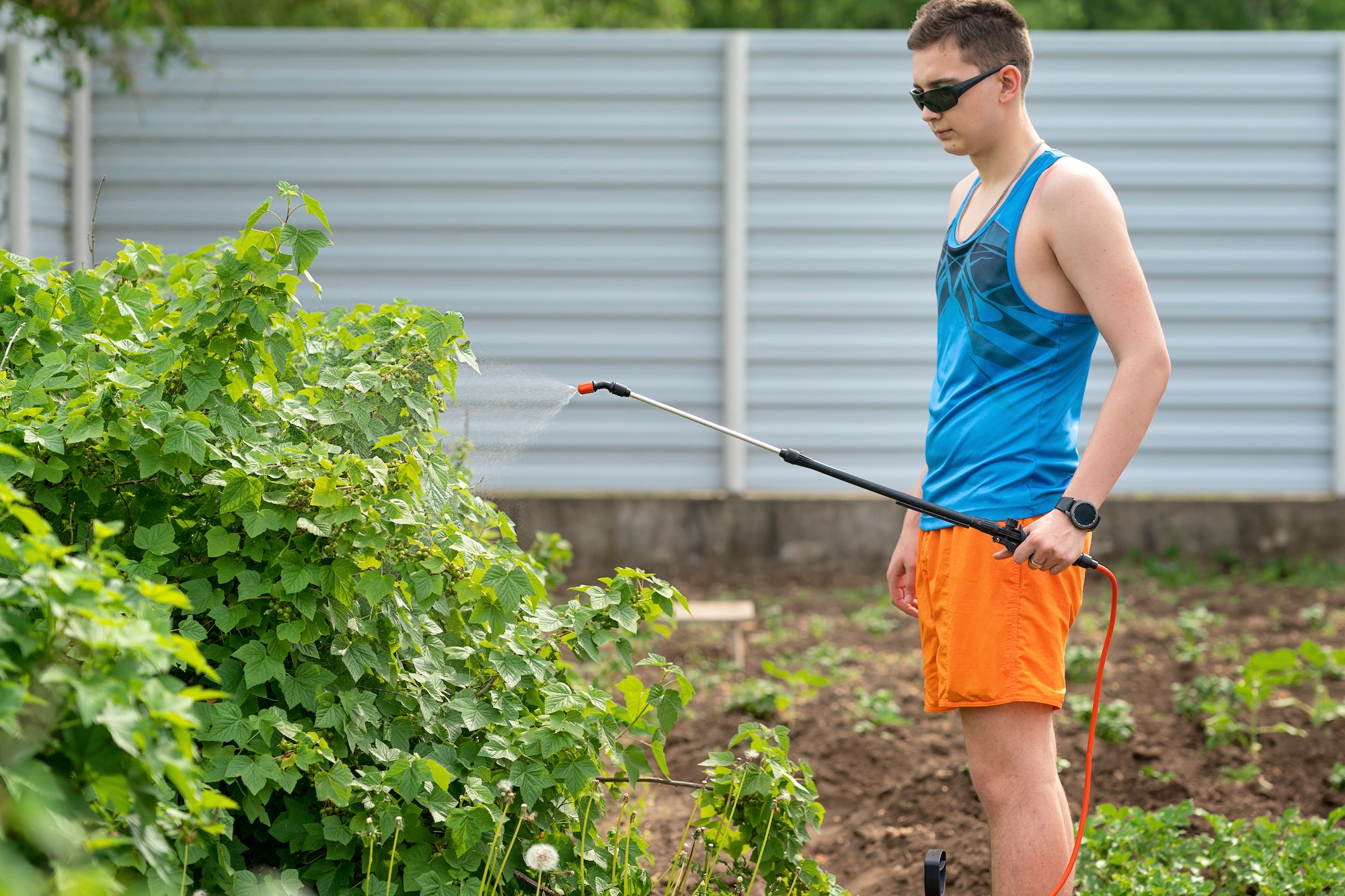
If you need more information about tree planting or require professional services, contact American Tree Experts Inc today. We are a professional tree pruning and nutrient management company. Call us at 973-744-6091 and get all the help you need to ensure the success of your tree planting project.

5 Best Practices for Protecting Your Trees from Pests

practice for protecting your trees from pests

Learn on 5 best practices for protecting your trees from pests

Pest buzzing is irritating, causes property damage and food contamination, and threatens human health. Tree pests are even more devastating as they can invade the tree and cause significant damage. Therefore, it is crucial to know how to safeguard your trees from pests to maintain their health. Continue reading to discover the best practices to protect your trees from pests.

Regularly Inspect Trees

  • Early detection of pests is critical to protecting your trees. Start inspecting your trees regularly once bug season starts.

Signs of pest infestation include:

  • Anormal growth patterns
  • Boreholes in the bark
  • Discolored leaves
  • Unusual leaf size
  • Thinning foliage

If you observe any of these symptoms, seek the assistance of a professional arborist for proper assessment and treatment.

Effective Watering Practices

  • A well-hydrated tree is better equipped to withstand pest attacks. To promote tree health, avoid exposing them to undue stress, such as prolonged dehydration. Adequate watering and mulching during drought will increase the tree’s chances of survival. However, excessive moisture can also harm the tree, so ensure the soil has proper drainage.

Regular Tree Pruning

  • Regular pruning is essential for maintaining optimal tree health. It improves air circulation and ensures that sunlight reaches all parts of the tree to promote growth. However, trees can be more susceptible to pests immediately after pruning, so pruning at the right time in the right place is crucial. Prune trees at the appropriate time of year to help minimize pest risks.

Maintain a Clean Yard

  • Clearing your yard of fallen branches after pruning or after a storm can help prevent pests from feeding on moist wood. This is especially important during the flight period of beetles in spring. In addition, keeping your yard tidy and free of debris makes it easier to spot pest infestations.

Protect Trees by Wrapping

  • Harsh weather can pose threats to trees in multiple ways. Wrapping your trees in the winter can prevent the wood from cracking or splitting. Cracked or split wood attracts pests. Cover trees with missing bark to prevent pests from infesting the exposed wood. Tree wraps provide a protective layer against harsh weather and insect damage. They regulate the temperature by allowing air and water to circulate while shielding against sunscald.

Sunscald is caused when the sun’s rays reflect off the snow and cause the tree trunks to crack. Tree wraps also act as a barrier against pests. The wrapping should be done between November and April to provide warmth during winter. You can use burlap, corrugated cardboard, polypropylene fabric, or craft paper to wrap the tree. In addition to wrapping, using dormant oils can effectively keep insects and pests at bay. Spray fruit trees with dormant oils before buds appear to kill insects, their larvae, and eggs and to protect delicate shoots and leaves.

Seek Professional Help

  • protecting your trees from pestsDon’t let pests destroy your beautiful trees. Take action today by following the best practices for protecting your trees from pests. Contact an arborist for personalized advice and establish an effective tree care plan that incorporates preventive measures against pests. Arborists are trained to identify early signs of infestations and use specialized insecticides to control pests. Seeking professional help can ensure that your trees remain healthy and protected against insect attacks.

Sometimes a pest infestation can be controlled and eliminated by pruning the affected branches of the tree. If you are unsure whether your tree has been infested with a pest, contact American Tree Experts Inc today. Call us at 973-744-6091 today, and let us help you with all your tree and plant pest management needs.

What Is Mulching And How Does It Benefit Your Trees?

what is mulching and its benefits

Maximize the benefits for your trees and learn what is mulching and how it can help

Although trees do not require daily attention, routine care is crucial to ensure their health, safety, beauty, and yield. Mulching is one of the best methods to keep your trees healthy while conserving water. Let’s explore what mulching is and how it benefits your trees.

What Is Mulching?

  • Mulching is the process of covering the base of a tree with a layer of organic material known as mulch. Mulching helps to retain moisture in the soil, suppress weeds, and provide nutrients to the tree.

In addition, it helps insulate the tree’s roots from temperature fluctuations and improves the tree’s overall appearance and surrounding landscape. Mulch is typically made of organic materials such as wood chips, bark, leaves, or straw but varies significantly in purpose and type.

Benefits Of Mulching

  • Mulching offers an array of benefits to the trees. We have mentioned the most popular ones here:

Retains Moisture

  • Mulch acts as an insulating blanket on top of the soil, helping to slow down the evaporation of water from the soil. This is especially beneficial for young trees or during periods of drought, as it gives the tree access to the water it needs to survive.

Additionally, mulch increases the amount of water available to the tree by breaking down and releasing water as it decomposes. Thus, ensuring the tree has a consistent water supply at all times. Furthermore, during the rainy season, mulch helps prevent the loss of water caused by erosion and run-off.

Improves Nutrient Supply

  • The organic materials used in mulch, including bark, leaves, or straw, contain nutrients like nitrogen, phosphorus, and potassium, which are essential for the growth of trees. As the mulch decomposes, it releases these nutrients into the soil, which the tree roots take up.

Thus, improving the overall health and growth of the tree and reducing the need for additional fertilization. In addition, mulching improves the soil structure and fertility, which further helps provide nutrients to the tree. However, the quality and composition of the mulch used will affect the amount and type of nutrients it provides to the tree.

Prevents Weed Growth

  • Another noteworthy benefit of mulching is weed suppression. Mulching prevents weed growth around the base of the tree. Weed competes for water and nutrients, thus depriving trees of the nutrients needed for optimal growth. In addition, when a thick layer of mulch is applied, it creates a barrier that prevents sunlight from reaching the soil surface, making it difficult for weed seeds to germinate and grow.

Additionally, mulch makes it hard for existing weeds to extend their roots deep enough to access the tree’s nutrients. In this way, by reducing the competition for resources, mulch helps improve the tree’s overall health and growth.

Regulates Temperature

  • what is mulchingThe temperature fluctuation of the soil can be avoided with the correct amount of mulch. Mulching helps insulate tree roots and protects the tree from extreme heat or cold. During the hot summer, mulch prevents exposure to the sun and reduces the amount of heat absorbed by the soil. In the winter, mulch insulates the roots and protects them from freezing temperatures.

Thus, reducing the stress caused by extreme temperature fluctuations. However, the type of mulch determines and affects its insulating properties. Organic mulch provides better insulation than inorganic mulch, such as gravel and stones.

If you need more information about mulching or suspect your plants and trees are experiencing a nutrient deficiency, contact American Tree Experts Inc today. We are a professional tree pruning and nutrient management company. Call us at 973-744-6091 and let our nutrient management experts help you bring your garden back to life.

A Comprehensive Guide To Remove Bagworms From Trees

how to remove bagworms from trees

Read below for a comprehensive guide to remove bagworms from trees

Bagworms are Thyridopteryx ephemeraeformis that hang from limbs in brown, bag-like cases. These are made by caterpillars from dried pieces of leaves and stems and are long. Bagworms defoliate the tree, weaken, or kill it. Fortunately, there are various methods to remove bagworms from trees. We have discussed five of them here.

Manual Removal Of Bagworms

  • It is possible to manually remove bagworms from smaller trees and shrubs by plucking them with a hand. These cocoon bags are then destroyed. This is purely an organic approach to stop the infestation and does not require special equipment.

However, you may have to hire professionals for tall branches as tall branches require a ladder or equipment. Late fall to spring is the best time to remove the bags. This helps ensure the removal of eggs before they get a chance to hatch.

Take Help From Natural Predators

  • When a tree is lightly infested, this is not much of a problem, as birds and insect predators eat the young caterpillars. Sometimes, woodpeckers can even break the bags to eat the worms inside.

In addition, sparrows are also natural predators that prey on bagworms. This type of predation can be encouraged by making your landscape bird-friendly. Furthermore, avoiding pesticides that kill predator insects is also helpful.

Spray Your Trees With Bacillus Thuringiensis (Bt)

  • Spraying your trees with Bt. Bacillus thuringiensis (Bt) is a bacterium that naturally occurs in soil. It preys on the caterpillars, causes them to become sick, and ultimately kills them. In late May or early June, young worms hatch and emerge from the bags. This is the best time to spray with Bt. Consult an arborist to determine the best timing and the recommended bacterium strain to spray.

Use Chemical Spray

  • Chemical control should be reserved for more severe bagworm infestations. Chemical control involves the use of synthetic chemical pesticides on valuable landscape trees. Acephate, cyfluthrin, and spinosad are recommended chemicals for spraying trees.

These chemicals are minimally toxic to humans and mammals but highly toxic to bees and insects. Therefore, they should be applied in limited amounts only on windless, dry days. This helps the spray dry quickly and prevents it from spreading with the breeze.

Preventing Bagworms

  • Bagworms thrive in hot and humid conditions. Although they exist in the entire U.S., they are common in the Southeast and eastern areas of the U.S. Since bagworms commonly attach to weaker trees, keeping your trees and plants healthy is the best preventive measure against them.

In agricultural areas where the use of pesticides is high and frequent, bagworms are a severe problem. This is because the pesticides destroy the predatory insects leaving the spread of bagworms unchecked.

Inspect Regularly

  • remove bagworms from treesRegularly inspect your trees and branches to spot small bagworms. Small bagworms indicate a building infestation. They are easily removed by hand to prevent the risk of a severe infestation. In addition, when buying new trees and shrubs, carefully inspect the branches to ensure they are not infested.

This will prevent you from bringing the infested plants into your landscape. Moreover, limiting pesticides around your trees will encourage natural predators to keep bagworms at bay and prevent serious problems.

At American Tree Experts, Inc., we offer the best services to keep your plants out of harm’s way. Our pest management services ensure that your trees are protected from pests throughout the year. Our most sought services are pruning, bracing, pest management, and nutritional management. We offer services in Montclair, New Jersey. Call us at 973-744-6091 for a free quote.

6 Noteworthy Benefits Of Regular Tree Trimming

top benefits of regular tree trimming

Discover the benefits of regular tree trimming – A guide to keeping your trees healthy and safe

Large overgrown branches block the sunlight from reaching the plants below and give your property an untidy appearance. Regular tree trimming improves the property’s curb appeal and allows you to detect potential tree problems. Continue reading to find out other benefits of regular tree trimming.

Maintains Optimal Health Of The Tree

  • When branches are trimmed or pruned regularly, trees remain healthy and survive for a longer duration. It becomes particularly challenging for more giant trees to obtain optimal nutrients from the soil. However, once the branches are trimmed, the tree needs fewer nutrients.

This is because the tree’s energy needs are reduced, and it becomes easy to obtain the required nutrients from the soil. But if the tree is diseased or its branches are infected, it is wiser to remove the affected branches.

Quicker Detection Of Infections And Diseases

  • Besides the aesthetic benefits, tree trimming gives you an idea of tree health. Regular trimming reduces the number of overgrown branches. Thus, you can better look at the tree’s physical health. In addition, you can quickly detect a disease or insect infestation and tell if something is wrong with the tree.

Early detection enables you to prune the affected branch or treat the disease before it spreads to the entire tree. However, if left unchecked, infestation or diseases can cause severe damage to your tree, possibly resulting in tree removal. Therefore, regular tree trimming is one of the best approaches to determining the tree’s health and disease severity.

Promotes Energy Production And Growth

  • Sunlight is crucial for a tree’s growth. The photosynthesis process can only occur in the presence of sufficient sunlight. The energy a tree produces through photosynthesis is determined by the sunlight reaching its leaves. In addition, the number of leaves also affects photosynthesis.

However, the tree cannot produce enough energy if overgrown branches block the sunlight. The amount of sunlight that reaches the leaves can be improved by trimming the unwanted branches. This way, sunlight will reach the leaves previously shaded by overgrown branches. And the tree’s energy production capacity will increase, enabling it to grow to its full potential.

Healthy And Flavorful Fruits

  • Since the large trees with excessive branches struggle to obtain the required nutrients, trimming the unwanted branches will result in healthier fruit production. In addition, the decreased competition for nutrients and energy strengthens the fruit-bearing branches of the tree. Thus, allowing the tree to produce nutrient-rich and flavorful food.

Saves The Root System

  • When roots fail to obtain sufficient water or oxygen, they deteriorate. If the root loss reaches 40%, the tree fails to receive the energy it needs to survive. As a result, the tree begins to die. However, the root system can be saved by regularly trimming the tree. It ensures that the tree gets enough energy it needs to survive.

Increase Your Property’s Value And Curb Appeal

  • benefits of regular tree trimmingUntrimmed and overgrown branches can make your property look shabby and unmaintained. However, regular trimming can shape your trees while providing optimal nutrients and creating a tidy appearance. This makes your landscape look naturally beautiful and enhances the property’s curb appeal. In addition, well-kept, aesthetically pleasing trees increase the property’s sale value.

If you are looking for the best pruning and tree removal services for your trees, get in touch with American Tree Experts Inc today. We are a group of tree experts working in Montclair, New Jersey. Call us today at 973-744-6091, and we will give you a fantastic quote for free.

5 Factors To Consider When Hiring An Arborist

factors to consider when hiring an arborist

Learn on to find out the top factors to consider when hiring an arborist for your trees

Trees take decades to reach their full potential but can be disfigured in minutes if you don’t hire the person suited for the job. However, you may wonder what factors to look for in an arborist. We have compiled a list of factors that will help you hire the right person for the upkeep of your landscape.

Hire A Certified Professional

  • Hiring a professional ensures you get the best tree care, optimum growth, and high-quality output. When looking for an arborist for your trees, go for certified professionals. They have a certificate of professional training and acknowledgment. Certified arborists have gone through extensive training and worked with various trees.

Therefore, they can work with different types of tree species and issues. In addition, they are knowledgeable about plants, their requirements, and the type of soil suited for each plant. They recommend proper preventive measures for trees that seem to be infested or dying. Moreover, their invaluable expertise and skills can help recover an infested or dying tree.

Years Of Experience On Hand

  • Experience is a crucial factor to consider when hiring an arborist. Experienced arborists have worked with various trees in different regions with extreme climates. This helps them develop extensive knowledge to deal with any tree condition.

In addition, the varying moisture content, temperature, and texture of the soil in different regions allow arborists to experiment and identify the ideal soil for specific trees. This way, arborists will use only the ideal soil and moisture content to grow trees. For this reason, trees planted by certified arborists live long and give more flowers and fruit.

Track Record Of Success

  • Another factor to consider when hiring an arborist is the proven track record of success. Have a detailed look at their record to determine the success rate and trial and error processes. This can go a long way in providing optimal care to your trees and ensuring their longevity. In addition, their track record gives you a rough idea of their knowledge and experience with trees, soils, and diseases.

Furthermore, it helps you determine how passionate and successful an arborist is in helping trees thrive even under harsh circumstances. Their efforts of saving a tree and helping it grow back are usually mentioned on their track record. Knowing the hard work and dedication an arborist has put into saving a tree from infestation will give you peace of mind that you have chosen the right person for your garden.

Good References

  • An expert arborist with professional skills and a high success rate earns the trust of his clients. As a result, clients provide good references. Therefore, it is essential to be thorough in your research to find an arborist with good references and a clientele base. A successful arborist can work with intricate, complex root systems, delicate branches, and climate-sensitive trees.

The outputs of a successful arborist make him popular among clients. Arborists with better output are more likely to be referred to potential clients. So, consult with people who have hired an arborist and get their references.

Should Not Have Any Complaints

  • hiring an arboristAn arborist beautifies trees in homes, parks, and sidewalks. Therefore, an arborist is expected to work diligently to avoid complaints. The work of an arborist should contain minimum errors. Regardless of the type of service you are seeking, whether it is tree shaping, cabling, pruning, pest management, or removal, a successful arborist should be able to do it all without making mistakes.

To get the most professional and affordable tree care services, including removal, nutrient, and pest management services, get in touch with American Tree Experts Inc. We are one of the best tree pruning and removal services in Montclair, New Jersey. Contact us today at 973-744-6091 and book your consultation with our qualified arborists and specialists.

A Guide To Fertilization Needs Of Different Trees

guide to fertilization needs of different trees

Here is the comprehensive guide to understanding the fertilization needs of different trees

Trees provide shelter from the cold winds of winter, shade in the summer, and a calming presence. Trees need sunshine and an adequate supply of water to remain healthy. But what about fertilizers? Knowing when and how to fertilize different trees is essential if you want them to stay healthy for generations. We have compiled a guide to the fertilization needs of different trees.

Fertilization Needs Of Different Trees

  • Different tree species require different amounts and types of fertilizers to live a healthy life. Fertilization depends on several factors, including the type of species, soil, and the plant’s overall health. Overfertilization and under-fertilization are both terrible for your trees. Knowing the right balance is the key. Keep reading to learn how to fertilize different trees.

Hardwood Trees

  • Most trees live for centuries and can outlive humans if they are provided with the ample supply of nutrients that they need. When the oak tree is between 2 to 5 years of age, it should be supplied with iron and zinc-containing granular fertilizer. As the oak tree ages, fertilizing once a year would be sufficient.

On the other hand, it is easier to determine the fertilization needs of maple trees. Maple trees that grow about 6 inches a year are good. However, the tree needs fertilizer if the growth is below 2 inches. Slow-release nitrogen fertilizers work best for maple trees.

Fruit Trees

  • Fruit trees must get the right amount of fertilizers. Fruit-bearing trees require a lot of energy and nutrients supplied by fertilizers. Even a tiny imbalance in the soil can affect the nutritional content of the fruits.

Therefore, it is essential to conduct a soil test before fertilizing the fruit trees. Generally, nitrogen fertilizers and the annual application of foliar zinc spray maintain optimal health.

Ornamental trees

  • Ornamental trees that show average twig growth and have healthy-looking leaves throughout the year do not need fertilizer. However, if your ornamental tree is not growing as well as the previous year, it needs nitrogen fertilizer.

Yellowish leaves indicate chlorosis, which is a condition that occurs when the soil around the tree does not contain sufficient levels of zinc and magnesium.

Evergreen Trees

  • Evergreen trees do not grow quickly. This is especially true for the evergreens that have been recently transplanted. If the tree lacks flowers or its needles aren’t as vibrant, it needs a dose of fertilizer. A fertilizer containing phosphorous, nitrogen, and potassium works best for evergreen trees.

How To Fertilize Your Trees

  • Evenly spread fertilizer with a nitrogen content of 12 to 30% and phosphorus and potassium content of up to 12%. The fertilizer should be spread over the soil’s surface for a distance of 1-1/2 times the diameter of the branch spread. Ensure that the fertilizer is free from pesticides. After fertilizing, water the tree thoroughly and allow the fertilizer to reach the roots.

When Should You Fertilize Your Trees?

  • fertilization needs of different treesThe best time to fertilize trees is before their active growth begins in early spring. However, some experts suggest that late fall is a better time to fertilize trees. On the other hand, some people take the middle road by fertilizing their trees in early spring and late fall. This may be optional for most trees. Therefore, the best thing to do is to consult an arborist to determine the right time to fertilize your trees.

We at American Tree Experts Inc. are one of the best tree pruning and tree nutrient management services, employing highly qualified arborists and experts. Call us today at 973-744-6091 and let our experts handle all your tree pruning and nutrient management needs.