American Tree Experts

A Guide To Understanding Tree Risk Assessment And Its Benefits

guide to tree risk assessment

Exploring the benefits of tree risk assessment – A complete guide

Regularly assessing the health and stability of trees, especially larger ones, is important to ensure their safety. Tree assessment gives you an idea of whether your trees are diseased or healthy, strong or weak. Keep reading to understand what is tree risk assessment and its benefits.

Tree Risk Assessments

  • Tree risk assessment involves a thorough examination of a tree and an evaluation of several critical factors. These factors include the condition of the soil, risks to nearby structures if the tree falls, the tree’s overall health, wind exposure, and more. Arborists specializing in tree risk assessment have the ISA Tree Risk Assessment Qualification and training in tree evaluation. The assessment consists of visual inspections and various other tests, including static load tests, the use of strain-sensing technology, digital surveys, and similar techniques.

The primary goal is to determine the likelihood of a branch or the entire tree falling and to evaluate the potential consequences of such an event. For instance, the consequences of a small branch falling differ significantly from those of the tree collapsing. After this evaluation, the tree is categorized as an at-risk tree and may need to be mitigated or removed.

Tree Risk Assessment Process

  • Tree risk assessment involves a systematic evaluation of factors influencing tree health and safety. Certified arborists follow established protocols and methods to evaluate trees and assess potential risks.

Here’s an outline of the typical steps in a tree risk assessment:

Visual Inspection

  • Arborists visually examine the tree’s structure, inspecting for decay, disease, insect infestations, and structural weaknesses. They assess the canopy, branches, trunk, and root system for signs of potential hazards.

Health and Structural Assessment

  • Assessing the health and structural integrity of trees is critical for determining their risk level. Arborists thoroughly examine the tree’s foliage, bark, and overall health to assess its health and ability to withstand external pressures.

Structural Analysis

  • Arborists analyze a tree’s structure, including its branching pattern and attachment angles, in detail. This evaluation helps determine the tree’s capacity to endure wind, rain, and other environmental stresses.

Site and Environmental Considerations

  • The surrounding environment plays a crucial role in tree risk assessment. Arborists evaluate factors such as soil quality, drainage, proximity to structures, and potential targets like roads, power lines, and buildings.

Identifying Potential Risks

  • Arborists identify and evaluate potential risks associated with the tree based on gathered information. Factors such as tree location, health, structural stability, and the likelihood of failure are carefully considered.

Risk Level Assessment

  • Arborists assign trees a risk level, categorizing them as low, moderate, high, or extreme risk based on identified hazards and the probability of failure.

In addition, arborists provide property owners with detailed recommendations for managing and mitigating identified risks. These may include pruning, cabling, bracing, or, in severe cases, tree removal.

Ongoing Monitoring

  • Arborists may recommend regular follow-up assessments to monitor changes in health and safety conditions over time. Regular monitoring helps ensure the continued safety and health of the trees and surrounding environment.

Benefits of Tree Risk Assessment

tree risk assessmentTree risk assessment provides several key benefits:

  • Ensures the safety of people and structures by identifying and mitigating risks associated with failing trees.
  • Identifies potential risks early, allowing implementation of preventive measures that reduce the likelihood of tree failure.
  • Enables informed decisions about managing tree-related risks based on assessment results.
  • Helps you comply with legal obligations regarding tree safety and maintenance in your area, ensuring adherence to relevant regulations.
  • Provides documented evidence of tree assessment for insurance purposes and potential liability cases.

If you are looking for the best pruning and tree removal services for your trees, contact American Tree Experts Inc. today. We are a group of tree experts working in Montclair, New Jersey. Call us today at (973) 744-6091, and we will give you a free quote.
Essential Tools Arborists Use For Maintaining Healthy Trees

essential tools arborists use for maintaining healthy trees - Arborist In Montclair

Keep Your Trees Healthy with the Right Arborist Tools

If you’re a tree owner in New Jersey or just curious about how professional arborists do their job, you might be wondering: what tools are actually used to keep trees healthy, safe, and thriving?

From tree inspection tools to arborist watering supplies and safety glasses, having the right equipment is crucial to maintaining healthy trees. In this guide, we’ll walk you through the must-have arboriculture tools, breaking them down by function, and explain how professionals use them for expert tree care.

Tree Inspection Tools Professionals Trust

Before pruning or treating a tree, an arborist will begin with a thorough inspection. This helps them detect signs of disease, decay, or instability early.

Common Tree Inspection Tools:

  • ️ Resistograph – Tests internal decay in tree trunks
  • Diameter tape – Measures tree DBH (diameter at breast height)
  • Inspection mirrors – Help arborists view hard-to-see spots in the canopy
  • Digital camera or drone – Used to document conditions or get an aerial view

These tools allow arborists to make informed decisions about trimming, cabling, or even removal.

Best Arborist Watering Supplies for Tree Health

Tree hydration is one of the most overlooked aspects of proper tree care. During periods of drought or heat, arborists use professional tools to ensure optimal watering.

Top Watering Tools Include:

  • Deep root watering probes – Deliver water directly to a tree’s root zone
  • Soaker hoses & drip irrigation – Ensure slow, steady moisture release
  • ️ Moisture meters – Measure soil water levels to avoid over/underwatering

These tools are especially helpful when maintaining newly planted or stressed trees.

Arborist Safety Glasses & Protective Gear

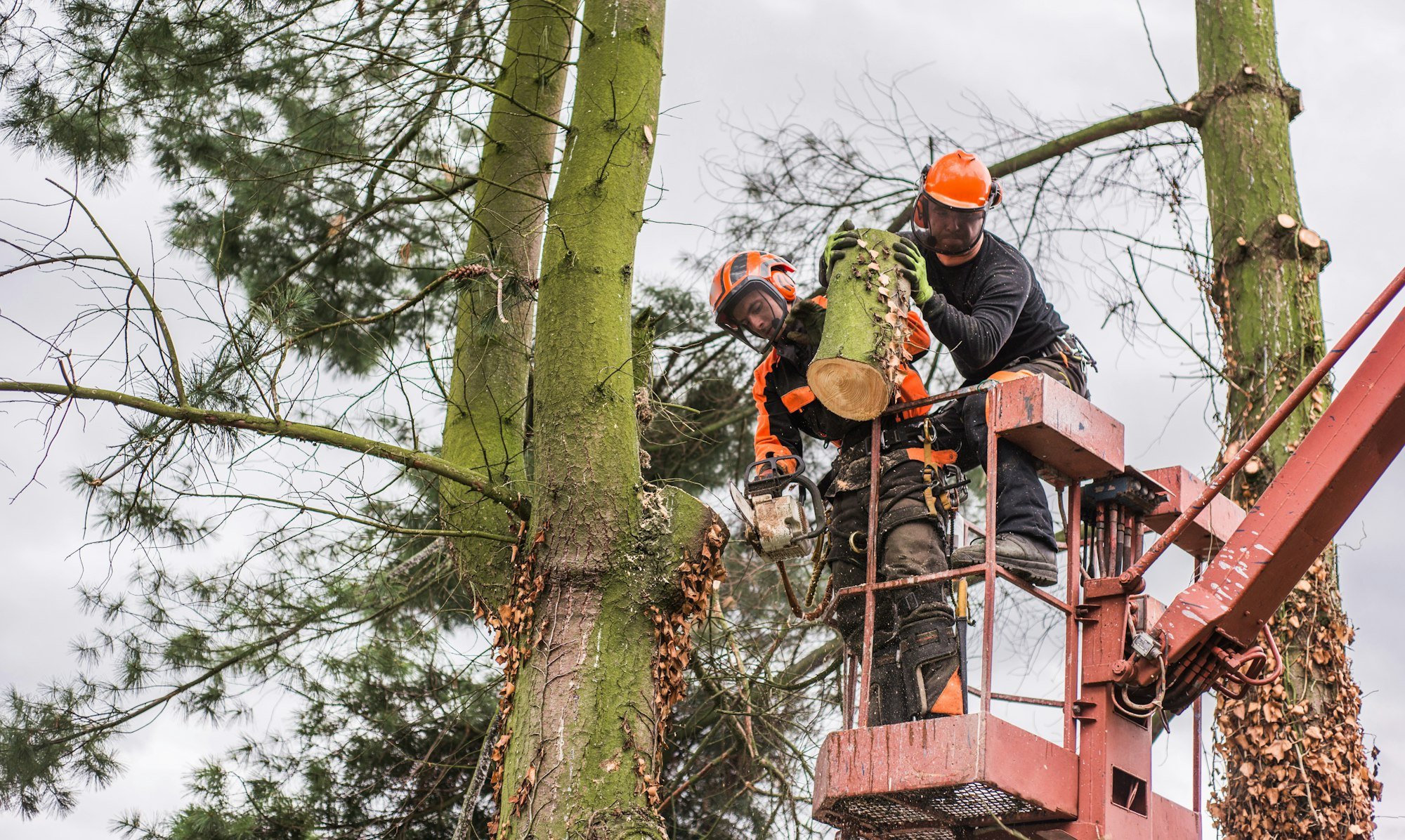
Safety is paramount when working with chainsaws, climbing equipment, or chemicals. That’s why professional arborists are always equipped with:

  • Safety glasses and face shields – Protect eyes from flying debris
  • Cut-resistant gloves – Essential when handling branches and blades
  • Hard hats – Prevent head injuries from falling limbs
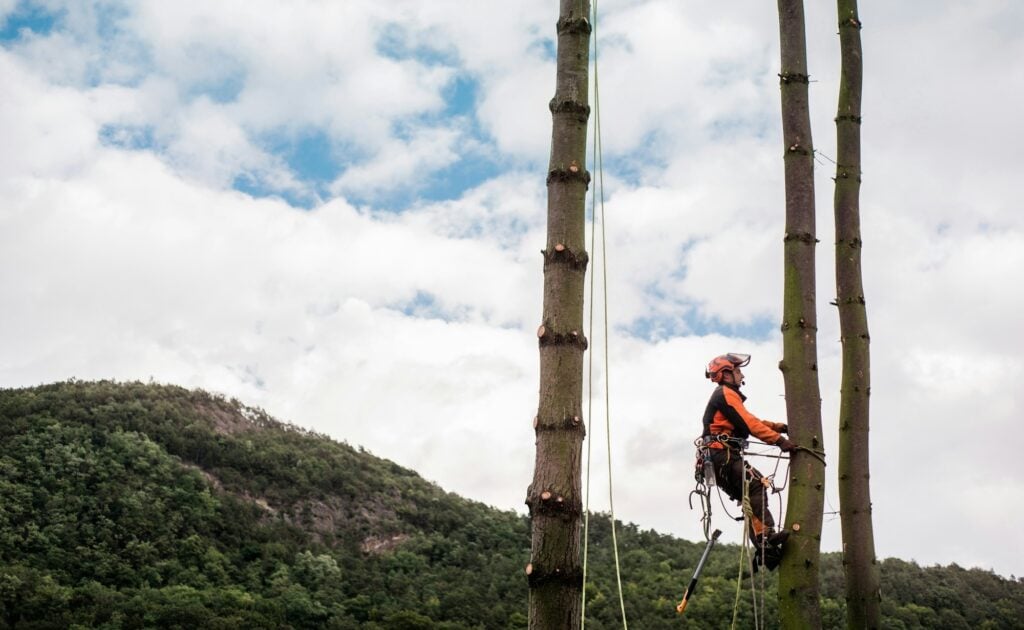
  • Harnesses and climbing gear – Secure arborists during elevated work

These items are required under OSHA and ANSI Z133 standards for safe tree care.

️ Must-Have Arboriculture Tools for Tree Service Work

Arborists rely on a wide range of manual and powered tools to do everything from pruning to disease treatment.

Top Tree Service Tools:

  • ✂️ Bypass pruners and loppers – For clean, precise cuts
  • Hand saws and pole pruners – Reach and cut larger branches
  • Battery-powered chainsaws – Quiet, clean, and ideal for urban settings
  • Injection systems – For delivering nutrients and treatments (see Tree Injections)

These are the same tools we use at American Tree Experts for tree maintenance in Montclair and surrounding areas.

Bonus Tools for Specialized Tree Care

  • Tree cabling kits – For structural support of weak limbs
  • pH soil testers – Help determine nutrient needs
  • Traffic cones & barriers – Keep work areas safe in public spaces

maintaining healthy trees

❓ Frequently Asked Questions (FAQs)

What tools do arborists use to inspect trees?

Arborists use resistographs, drones, and visual inspection gear to assess a tree’s health and structure.

What safety gear should arborists wear?

Safety glasses, gloves, helmets, and harnesses are essential for preventing injury during tree work.

Are deep root watering tools necessary?

Yes! They help deliver water where it matters—deep into the root zone for better absorption.

Need Professional Tree Care in New Jersey?

At American Tree Experts, we don’t just use the best tools—we bring years of expertise to every tree we care for. Whether you need tree inspections, pruning, injections, or storm prep, we’ve got the equipment and experience to get the job done right.

Serving Montclair, NJ, and nearby areas Call us at (973) 744-6091 or visit americantree.com to request a consultation.

Effective Methods To Protect Your Garden Trees From Pests

how to protect your garden trees

The best strategies to protect your garden trees from pests year-round

Trees in your garden can attract damaging pests. When left unchecked, these pests can spread, endangering your landscaping, potentially causing trees to deteriorate, and posing risks to your property. Regular inspection of your garden is essential to identify common tree pests and prevent damage. This article provides effective tips on protecting your trees from insect infestations.

Maintain a Clean Yard

  • After pruning or a heavy storm, promptly clear your yard of fallen branches and debris. Beetles, aphids, and other tree pests thrive on moist wood, making cluttered areas inviting for infestations. This cleanup is especially crucial before spring when beetles are active.

A tidy yard not only discourages pests but also enhances visibility, making it easier to detect signs of infestation early. Regular cleaning supports a healthier yard environment and reduces the risk of pest damage to your property.

Effective Watering Practices

  • Ensuring proper hydration is essential to prevent branches from drying out and breaking. Broken branches not only affect your yard’s appearance and safety but also increase the risk of insect infestations and disease.

Enhance your watering routine with an anti-desiccant spray. This spray aids trees and shrubs in retaining moisture, which is particularly crucial during dry periods when soil absorption may be inadequate.

Regular Tree Pruning

  • Pruning ensures proper light penetration and encourages healthy airflow. Use rubbing alcohol or a solution of equal parts water and bleach to disinfect pruning shears and prevent disease transmission.

Apply oil to prevent corrosion after cleaning. Remove last year’s dried fruits, known as “mummies,” from trees and the ground, as they may harbor disease. Burn fallen leaves before winter to prevent the spread of disease through spores.

Protective Tree Wraps

  • Protect your trees from harsh weather conditions with tree wraps, designed to regulate heat and promote airflow while safeguarding against sunscald. Sunscald occurs when sunlight reflects off snow, potentially causing trunk splitting.

Tree wraps offer a natural barrier against pests, reducing the need for additional insect repellents. Additionally, applying dormant oils to fruit trees before buds appear eliminates insects and their eggs, effectively protecting new growth.

Effective Tree Injections

  • Tree injections offer a powerful solution to combat pests without the need for sprays. Similar to administering shots to humans, tree injections deliver targeted treatment directly into the tree trunk to address diseases and insect infestations efficiently. Once injected, the solution quickly enters the tree’s vascular system, ensuring quick distribution throughout.

This professional approach to tree care yields faster and more effective results compared to traditional spray treatments, which may take weeks to take effect. Tree injections effectively treat infestations of borers, aphids, spider mites, and scale insects, providing lasting protection with just one treatment that lasts an entire year.

Tree Inspection

  • protect your garden treesRegularly inspect your trees for signs of tree-damaging pests, which can hide among leaves, branches, and the trunk. Check for discolored leaves and examine tree trunks for holes or frass. Promptly addressing issues can prevent infestations from spreading. If you notice a branch infested with beetles or other pests, remove it promptly to mitigate further damage. Familiarizing yourself with these signs can reduce future maintenance.

Consult with your arborist to set up a proper tree care plan that includes preventive measures to control insects before they can attack. Experts can also detect signs of pests and treat infestations with specialized insecticide applications.

Sometimes, a pest infestation can be controlled and eliminated by pruning the affected branches of the tree. If you are unsure whether your tree has been infested with a pest, contact American Tree Experts Inc. today. Call us at 973-744-6091 today, and let us help you with all your tree and plant pest management needs.

The Ultimate Summer Tree Care Checklist For Healthy Trees

summer tree care checklist

The complete guide to summer tree care -Ensure healthy trees all season long

Hot and dry conditions can be particularly challenging for young and growing trees. Just like humans need extra care during the summer, trees also require regular maintenance to stay healthy. This checklist highlights everything you need to know to protect your trees during the hot summer months.

Inspecting Your Trees and Shrubs

  • As summer approaches, it’s essential to examine your trees and shrubs for potential issues. This involves assessing tree leaves and stems for signs of damage that may indicate an insect infestation. Look out for indicators such as bleeding sap, borer holes, sawdust, abnormal chewed leaves, or leaf dieback. Consulting with a certified arborist can help identify and address insect problems early, preventing extensive damage.

Additionally, branch dieback and leaf spots could signify stress or disease, necessitating professional evaluation. Yellowing leaves during summer suggest heat stress. However, it’s essential to assess soil moisture levels thoroughly before concluding. Overwatering can also manifest as leaf yellowing, emphasizing the importance of checking soil moisture deep within the soil. If soil saturation occurs frequently without adequate drainage time, adjusting irrigation frequency may be necessary.

Apply Proper Mulch

  • One of the best things to preserve your trees from the effects of hot weather is mulching. Applying mulch around the root area helps safeguard the roots from extreme heat and allows moisture retention. This is crucial for supporting the growth of a strong root system. In addition, proper mulching aids water absorption for young trees.

However, the key to effective mulching is using an appropriate amount of mulch. Typically, one layer of 5 to 10-cm thick mulch is sufficient. Furthermore, leaving some space between the tree’s base and the mulch is essential. Finally, add mulch around the tree in a circular shape to discourage pests and diseases.

Watch Out For The Signs Of Heat Stress

  • Proper temperature and shade maintenance is critical for optimal tree care in summer. This is particularly important for young trees as plenty of shade protects them from excessive heat and prevents heat stress. During extremely hot days, watch for the signs of heat stress.

Dropping, wilting, and yellowing leaves are surefire signs of heat stress. If you spot these signs, watering sufficiently will help your trees recover from heat stress. Stay mindful of the signs of heat stress to monitor and care for your trees during extreme weather proactively.

Maintaining Healthy Soil

  • summer tree careIf you notice your soil consistently drying out during the summer months, consider implementing a slow, deep watering technique using a drip or soaker hose for your larger trees requiring hydration. Different trees have varying water needs, so it’s essential to avoid guesswork. A general guideline is to apply 5 gallons of water for every 1 inch of trunk diameter, repeating this process weekly in the absence of significant rainfall.

Consulting with a certified arborist can provide valuable insight and ensure your tree roots receive adequate hydration. Refrain from using overhead irrigation methods, as they can contribute to the spread of diseases. Continue fertilizing your trees while addressing any nutritional deficiencies that may arise in shrub and lawn areas. Additionally, maintaining control over weeds in your landscape beds is crucial to prevent them from competing with your plants for essential nutrients and water.

To correct any nutrient deficiencies or other tree issues, contact American Tree Experts Inc. We are a professional tree pruning and nutrient management company. Our experts will develop a customized plant healthcare program and look after your trees in the best way possible. Call us at 973-744-6091 today and get a free quote for all your tree-related needs.

5 Common Pruning Errors That Can Damage Your Tree

common pruning errors

Are you making these 5 devastating pruning errors? Your tree could be at risk

Pruning is done for various purposes, including shaping the tree, eliminating damaged branches, and controlling plant size. Regardless of the reason, it’s crucial to prune trees correctly to support their health and ongoing development. Pruning mistakes can severely damage your trees rather than enhance their health and appearance. Read to learn about the common pruning errors that can kill your trees.

Tree Topping

  • Topping is a tree pruning method that involves cutting off its uppermost portion, a practice that causes significant stress on the tree. This method can disrupt the tree’s natural balance and structure, increasing the risk of it toppling over.

Tree Lopping

  • Tree lopping, like topping, involves improperly cutting or trimming branches to give a tree a slimmer or smaller appearance, often without considering the long-term effects on its health, strength, and structure. While a lopped tree may initially seem aesthetically pleasing or less demanding in terms of maintenance, this practice causes trauma and stress to the tree, potentially leading to fatal consequences in the future.

After lopping, the tree often sprouts new, unsightly growth known as epicormic growth. This growth tends to attach weakly to the tree’s outer layer, making it highly susceptible to failure. Additionally, the wounds left by lopping provide entry points for pests, diseases, and decay, significantly compromising the tree’s overall health. A weakened tree is more prone to falling over during severe weather or losing heavy limbs, posing risks to property and safety.

Excessive Pruning in the Growing Season

  • Heavy pruning during the growing season, typically from spring to late summer, can pose risks to the tree’s health. Removing numerous leaves during this time can deprive the tree of its food source, as leaves facilitate photosynthesis.

Moreover, summer often brings drought conditions, further stressing an already over-pruned tree. Additionally, excessive pruning exposes previously shaded bark to intense sunlight, leading to sunscald, which can damage the plant.

Heavy Pruning Throughout the Year

  • While excessive pruning during the active growth season can be harmful, it should be noted that over-pruning at any time of the year can induce stress in a tree, rendering it more vulnerable to diseases. Therefore, it is essential to remember that each pruning cut should be carefully made because every cut is a wound to the tree.

By removing branches, food resources are depleted, future growth is impacted, and the tree’s capacity for photosynthesis is diminished. Moreover, pruning creates entry points through which wood-decay fungi can enter the tree and cause internal decay. Several improper pruning cuts can ultimately lead to tree death.

Incorrect Pruning Cuts

  • pruning errorsMaking the right pruning cuts is essential for the tree’s health and safety. Improper cuts, such as flush cuts (too close to the trunk) or stub cuts (too far from the trunk), can cause irreversible damage.

A flush cut removes the branch collar, leaving a large wound prone to improper healing. Conversely, a stub cut leaves excessive dead branch material, which can decay inward, affecting the tree’s core. Both types of cuts can lead to decay and potential tree death.

Hire Professional Tree Pruning Services

  • Pruning a tree isn’t just about cutting off branches; it requires precision and expertise to ensure the tree’s health and vitality. Hire professional arborists with the knowledge, training, and experience to prune your trees correctly, taking into account the impact of each cut.

If you are looking for the best pruning and tree removal services for your trees, contact American Tree Experts Inc. today. We are a group of tree experts working in Montclair, New Jersey. Call us today at (973) 744-6091, and we will give you a fantastic quote for free.

Expert Techniques To Keep Your Trees Healthy

how to keep your trees healthy

Protect your leafy friends – Top techniques to keep your trees healthy and resilient

Healthy trees enhance the aesthetics of your property and also improve air quality, provide shade, and support local wildlife. However, regular maintenance and tree care are crucial to ensure they thrive all year round. This article highlights expert techniques for keeping your trees healthy and preventing nutrient deficiencies and diseases.

Prune Trees At The Right Time

  • Pruning involves the careful removal of dead, diseased, or excessively grown branches from your trees, ensuring their continued health. This practice is particularly crucial in urban settings, where branches obstructing pathways or roads pose hazards to pedestrians and vehicles. Newly planted trees require more frequent trimming compared to mature ones.

It’s advisable to prune young, healthy trees every two to three years, reducing the frequency as they mature. For mature trees, trimming every three to five years is sufficient. Excessive pruning should be avoided. When in doubt, seek professional help to determine whether trimming is necessary. A tree care specialist can assess your trees on-site and provide guidance tailored to their specific needs.

Fertilize Adequately

  • Similar to other plants, trees require adequate nourishment to thrive. Essential macronutrients such as potassium, nitrogen, and phosphorus, along with secondary nutrients like magnesium, calcium, and sulfur, are vital for their growth. However, it’s crucial to ensure the correct dosage, as nutrient deficiencies can cause yellowing, while excessive fertilization can lead to rapid growth without sufficient root development.

Trees should be fertilized in early spring, before the onset of warm weather, and when there is enough rainfall to facilitate nutrient absorption through the root system. Avoid fertilizing during the summer months, when trees are more vulnerable to heat and drought stress.

Prevent Pests and Diseases

  • While insects are a natural part of ecosystems, the type and quantity of insects can significantly impact the health of your trees. Similarly, diseases can spread among trees and affect extensive areas at a time. Common issues include:

Leaf Rust

  • These reddish-orange spots, resembling rust, result from a fungus that disrupts photosynthesis. While it looks unsightly, leaf rust does not cause substantial harm to trees.

Fire Blight

  • Fire blight results from bacteria spread by insects, rain, or even pruning tools and causes the branches to look burned or dried.

Bagworms

  • These pests are common on evergreen shrubs and can eat large sections of plants during the pupation stage.

Cankers

  • Cankers are lesions on tree bark. They vary in size and can result from various causes, potentially proving fatal to young trees.

Emerald Ash Borers

  • These metallic green beetles bore into ash tree bark, causing damage that attracts woodpeckers and other pests, exacerbating the harm.

While some pests and diseases are identifiable and treatable, others are challenging to detect and eradicate. Given their potential to endanger trees, seeking professional assistance for effective treatment is essential to protecting your trees.

Mulch Around Your Trees

  • keep your trees healthyMulching is essential in maintaining tree health. By conserving soil moisture, especially during periods of high heat and low rainfall, mulch provides essential hydration to tree roots. Additionally, it acts as a filter for rainwater, minimizing impurities and slowing evaporation to aerate and fertilize the soil beneath.

During winter, mulch serves as a protective barrier, protecting roots from the harsh effects of snow and ice. Despite common misconceptions, mulch doesn’t require significant height. Just a few inches, ideally no more than four, are enough. Spreading the mulch over a broad area to cover as much of the tree’s root system as possible is crucial.

To correct any nutrient deficiencies or other tree issues, contact American Tree Experts Inc. We are a professional tree pruning and nutrient management company. Our experts will develop a customized plant healthcare program and look after your trees in the best way possible. Call us at 973-744-6091 today and get a free quote for all your tree-related needs.

Effective Strategies For Protecting Your Trees During Storm

strategies for protecting your trees during storms

Master the art of tree protection – Strategies for protecting your trees during storms

Unhealthy or weakened trees pose a significant risk of falling onto homes and properties, especially during stormy weather. However, through proper tree maintenance and proactive measures, trees can become more resistant to storm damage. This article highlights effective strategies to help you protect your trees during a storm.

Keep Your Trees Healthy

  • The best way to protect your trees from storm damage is to keep them healthy. A healthy tree is stronger and more capable of withstanding harsh weather. It’s crucial to ensure proper maintenance of your trees consistently throughout the year to prevent problems before they occur. Regular maintenance, including pruning, watering, and fertilizing, will keep your trees in top condition.

Schedule Regular Tree Inspections

  • It’s better to call an arborist for an inspection than for an emergency tree removal. Schedule a professional arborist to examine your trees. They can identify any issues, such as diseases, pest infestations, or structural problems. They can also determine if a tree is dead and poses a fall risk and will recommend the best course of action.

Prune Regularly

  • Proper pruning strengthens a tree by enhancing its structural integrity, enabling it to withstand storms better. Effective pruning involves removing dead, dying, and weak branches, which fosters proper growth and maintains good structural form. Over time, this makes trees more resistant to storm damage and reduces the likelihood of branches breaking during storms.

However, pruning should generally be performed by a professional arborist who knows the correct techniques to benefit the tree’s health. Incorrect pruning can harm a tree, making it more susceptible to diseases and structural weaknesses, increasing the risk of it falling during severe weather.

Strengthen the Root System

  • The root system is crucial for anchoring a tree securely to the ground. Trees with deep, strong roots are more likely to withstand storms compared to those with shallow, weak roots. To enhance the strength of your trees’ roots, avoid activities that could disrupt the soil around them.

Construction work, digging, and other heavy activities can harm the roots and soil structure. Keeping the area around your trees undisturbed helps maintain a stable foundation.

Protect the Tree Trunks

  • Adding extra protection to your tree trunks can be beneficial, especially in extreme weather conditions. Wrapping trunks with protective materials can protect young or vulnerable trees from damage caused by strong winds.

Additionally, consider setting up a staked tent around trees to offer extra shelter during severe weather. This method is particularly useful for trees in exposed locations or when high wind speeds are expected.

Consider Anchoring Young Trees

  • protecting your trees during stormFor younger trees that have yet to establish their root systems fully, anchoring can provide extra stability during storms. Secure stakes around the tree, connecting them with flexible materials like soft straps or ropes just before a storm is expected. This method helps prevent the tree from toppling over due to strong winds.

However, it’s important to allow some movement. Overly tight anchoring can restrict natural movement and actually increase the risk of the tree falling. After the storm, remember to remove the stakes to avoid hindering the tree’s growth and development.

Regular Monitoring

  • Regularly check your trees for any signs of distress or abnormal changes, such as alterations in leaf color, damage to the bark, or changes in trunk structure. Early detection of these symptoms can allow for prompt treatment and management, preventing further deterioration. If you notice anything unusual, address it quickly to mitigate any risks and keep your trees healthy.

If you are looking for the best pruning and tree removal services for your trees, contact American Tree Experts Inc. today. We are a group of tree experts working in Montclair, New Jersey. Call us today at (973) 744-6091, and we will give you a fantastic quote for free.

6 Reasons Why You Need To Prune Your Trees Regularly

why you need to prune your trees regularly

Garden excellence – Discover 6 reasons to prune your trees regularly

Pruning is an important practice for maintaining the health and beauty of your trees. Regular pruning serves as a protective measure to mitigate potential risks posed by overgrown branches and structural weaknesses. From promoting growth to enhancing safety and aesthetics, pruning offers various benefits. Keep reading to learn why you need to prune your trees regularly.

Eliminating Dying Branches

  • Safety is among the top reasons for hiring a tree service to prune your trees. It’s not unusual for certain tree branches to die and dry over time. As a result, even strong winds can cause the weakened branches to fall off.

Depending on their location, they could cause damage to your roof, become entangled in power lines, or obstruct roads, posing various hazards. Promptly addressing these dying sections through routine pruning can enhance overall safety and minimize risks.

Thinning Out the Canopy

  • While trees provide much-needed shade from the scorching sun, excessive growth density can adversely affect surrounding plants. Overly dense canopies restrict sunlight and rain from reaching the plants and grass beneath, impairing their growth.

Pruning involves thinning the canopy, allowing sunlight and rain to permeate the branches and reach the plants at ground level.

Identifying Infections and Diseases

  • In addition to enhancing aesthetics, tree trimming is a diagnostic tool for assessing tree health. Regular trimming reduces branch overgrowth, providing clearer visibility to identify signs of disease or insect infestation.

Early detection allows for targeted pruning or treatment, preventing the spread of disease and potential tree damage. Regular tree trimming is thus essential for maintaining tree health and managing disease severity.

Shaping New Growth

  • When left unchecked, trees can grow wild and take uneven shapes. By working with tree service experts, you can sculpt your trees to achieve the desired aesthetic, ensuring they enhance the beauty of your landscape. Tree pruning can significantly influence a tree’s growth pattern. A tree can be guided to develop a specific arrangement of limbs and branches, which is more beneficial for its overall structural integrity.

This careful maintenance reduces the risk of limb breakage and falling branches. It also ensures that the tree maintains a safe branch structure and even weight distribution. Moreover, structural pruning can enhance the tree’s visual appeal. If aesthetics are a priority, proper pruning can direct the tree to grow in the desired, aesthetically pleasing manner.

Enhancing Fruit Production

  • Pruning is essential for properties with fruit-bearing trees like chokecherries, apples, or apricots. By removing weak or dying branches from your fruit trees, you promote healthier growth in the remaining areas. Since large trees with excessive branches struggle to obtain the required nutrients, trimming the unwanted branches will result in healthier fruit production.

This ensures that vital nutrients are directed toward fruit-bearing branches, optimizing the tree’s ability to produce abundant and healthy fruit. In addition, the decreased competition for nutrients and energy strengthens the fruit-bearing branches of the tree. Thus allowing the tree to produce nutrient-rich and flavorful fruits.

Increasing Energy Production

  • prune your trees regularlySunlight plays a vital role in a tree’s health as it stimulates the photosynthesis process necessary for growth. However, when branches become overgrown, they can obstruct sunlight from reaching the tree’s leaves, limiting its energy production.

By trimming excess branches, you can enhance sunlight penetration to previously shaded areas, thereby increasing the tree’s energy production. This enables the tree to thrive and grow more vigorously, reaching its full potential.

Don’t allow your trees to grow wild. Take action now to maintain their health and enhance the beauty of your landscape. If you are looking for the best pruning and tree removal services for your trees, contact American Tree Experts Inc. today. We are a group of tree experts working in Montclair, New Jersey. Call us today at (973) 744-6091, and we will give you a fantastic quote for free.

A Guide To Detecting And Preventing Tree-Boring Insects

how to detect tree-boring insects

10 proven strategies to detect and prevent tree-boring insects from damaging your trees

Wood-boring insects, commonly referred to as tree borers, pose a significant threat to ornamental trees and shrubs across the United States and beyond. These pests, typically found in the larval stage of various insect species such as beetles, wasps, and moths, can cause considerable damage. We have outlined tips to identify tree-boring insects and prevention tips to help you take proactive measures to protect your landscape.

Detecting Tree Borers

  • Tree borers typically target stressed trees rather than healthy ones. They particularly attack newly transplanted, injured, or weakened trees. After hatching, young larvae quickly burrow under the bark to feed and grow. Watch out for signs such as tunnel holes, sawdust like frass, dead branches, bark cracks, or sap seepage.

Once inside the tree, detecting borer larvae becomes challenging until substantial damage occurs. This damage often results in structural weakness, branch dieback, girdling, and overall decline in tree health, potentially leading to the tree’s demise. Infested areas also become vulnerable to pathogen entry. At this stage, larvae are typically resistant to insecticide sprays.

Types of Tree Borers

Common wood borer types include:

Longhorn Beetle Larvae

  • They create oval-shaped tunnels filled with a mixture of droppings and sawdust. Infested wattles may appear distressed, with excessive sap dripping, resembling bleeding wounds.

Jewel Beetle Larvae

  • Jewel beetle larvae create tunnels into bark, cambium, and sapwood packed with droppings and sawdust.

Wood Moth Larvae

Tunneling caused by wood moth larvae may go unnoticed until exit holes become apparent. Tunnel entrances are typically covered with bark and webbing, often found in the forks of trees.

Eliminating Tree-Borer Insects

  • Once you have confirmed a tree borer infestation, you have two treatment options available:

Chemical Treatment

  • Utilize contact insecticides or soil treatments to eradicate existing infestations and prevent future attacks. However, it’s essential to follow local regulations about pesticide usage to ensure legal compliance before applying any chemical treatments to your trees.

Mechanical Approach

  • Alternatively, you can manually remove larvae using specialized tools or eliminate infested wood sections. In cases of severe infestation, the removal of the entire tree may be necessary to mitigate risks associated with falling branches or widespread infestation.

Preventing Tree Borer Infestations

  • Implement these proactive measures to reduce the risk of wood borer infestations:

Select Resistant Tree Species

  • Opt for tree species less susceptible to wood borers when planning your landscaping. Consult with a certified arborist or tree care specialist to identify suitable tree species for your region that are less prone to infestation.

Maintain Tree Health

  • Properly care for your trees by ensuring they receive adequate water and nutrients. Well-maintained trees are less likely to become stressed or weakened, reducing their vulnerability to wood borers. Pay special attention to newly transplanted trees to support their growth.

Prevent and Treat Tree Injuries

  • Addressing tree injuries promptly can reduce the risk of borer infestation. If you spot a wounded tree, take immediate steps to care for it and minimize the likelihood of infestation.

Prune Infested Branches with Care

  • tree-boring insectsWhen dealing with borer infestations, pruning off affected branches is a practical approach. Inspect your cut for any signs of borer holes or tunnels. If you detect a hole, you’ll need to make another cut further along the branch towards the trunk.

In some instances, borers may have penetrated the trunk, necessitating more drastic measures such as severe pruning or complete tree removal. For large trees showing signs of illness and borer activity, seek expert advice and assistance from a certified arborist.

For expert tree care services, turn to American Tree Experts Inc. We provide comprehensive pest management solutions for all types of pests and bugs. Call us at (973) 744-6091. We are located in MontClair, New Jersey.

How To Tell If A Tree Needs Emergency Removal?

why tree needs emergency removal

Avoid disaster – Recognizing when your tree needs emergency removal

Several property owners hesitate to contact emergency tree removal services until a tree collapses and causes significant damage. This delay often results from the inability to differentiate between a harmless problem and a situation requiring urgent attention. So, how to tell if a tree needs emergency removal?

Here are common tree scenarios that necessitate immediate tree removal.

A Tilted Tree

  • Many property owners overlook the dangers of tilted trees, often considering them natural. However, if left unaddressed, a tilted tree poses a risk of collapse, potentially resulting in damage.

Several factors may cause a tree to lean, including exposure to strong winds. Additionally, diseases such as fungal infections can compromise the tree’s roots and wood, leading to leaning.

Broken Limbs

  • Broken branches are another clear indicator that it’s time to enlist the help of an emergency tree removal service. A skilled tree service professional can safely eliminate broken branches without harming the entire tree.

However, broken branches may also signal a more severe issue, such as a dying or dead tree. If a tree has lost more than 50% of its branches, it is unlikely to survive to the next growing season. In such cases, it is advisable to seek professional removal before the tree collapses and causes extensive damage.

Storm Damage

  • Damaged trees on your property after a storm can pose significant risks. Whether it’s the result of a tornado or heavy winds, fallen trees can wreak havoc on your home, vehicles, and surrounding areas. Even minor storms with gentle gusts of wind have the potential to topple weakened or unhealthy trees.

If left unattended, these trees can cause damage to your roof, leading to leaks and extensive water damage. Additionally, they may pose a threat to your vehicles, resulting in costly repairs. Tree removal professionals have the necessary expertise and equipment to safely remove storm-damaged trees, mitigating further harm after severe weather events.

Dealing with Sick Trees

  • Beyond their visual impact, diseased trees can be a hazard. Pests, fungi, and viruses can infiltrate a tree, slowly weakening it from the inside out. Therefore, it’s imperative to address sick trees promptly.

To identify whether your tree is sick, look for common signs, such as a hollow trunk, dead branches, and decaying roots.

Safety Concerns Around Power Lines

  • Trees and shrubs growing in proximity to power lines pose serious safety risks, potentially leading to fires, power surges, and blackouts. It is essential to ensure that branches and foliage remain clear of power lines and electrical infrastructure.

If you notice trees near power lines, contact your electricity distribution company or hire a tree removal professional to address the issue. Regular trimming or removal of dead, dying, or diseased trees in close proximity to power lines is essential to prevent hazardous situations.

Cracks or Hollows in the Tree Trunk

  • tree needs emergency removalWhen cracks or hollows are present in a tree’s trunk, it may signal an urgent need for emergency services, particularly if the damage extends extensively throughout the trunk. Visible damage on the trunk often indicates internal decay, which compromises the tree’s structural integrity.

Such damage can result from severe weather conditions, diseases, pests, or physical trauma. Immediate attention from tree care professionals is necessary to assess the extent of the damage and devise an appropriate course of action. Certified arborists can provide emergency tree removal services or implement corrective safety measures as needed.

We can treat and prevent your trees from dying and remove dead trees to keep you and your property safe. At American Tree Experts, Inc., we offer the best tree care and tree removal services. Our most sought-after services are pruning, bracing, pest, and nutritional management. We offer services in Montclair, New Jersey. Call us at (973) 744-6091 for a free quote.