
If you’re a homeowner in Montclair, NJ, who takes pride in your mature shade trees and landscaped property, insect damage may be one of the most overlooked threats in your yard. Many tree pests work quietly beneath bark, inside branches, or high in the canopy, causing serious damage long before visible symptoms appear. What starts as a few holes in leaves or minor branch dieback can quickly turn into structural instability, disease, costly removals, or even dangerous tree failures during storms. For decades, American Tree Experts has helped local property owners identify and manage insect problems before they become major hazards, using proven plant health care strategies tailored to New Jersey’s unique pest challenges.
Table of Contents
The Hidden Problem: Insect Damage Often Starts Where You Can’t See It
Most homeowners assume insect damage means chewed leaves or visible bugs. In reality, some of the most destructive tree pests spend most of their lives hidden beneath bark, inside wood, or feeding on a tree’s vascular system. By the time symptoms become obvious, the infestation may already be advanced.
This is particularly concerning in Montclair, where mature trees are a defining part of many neighborhoods. Large oaks, maples, ash trees, and evergreens add beauty and property value, but they can also become vulnerable targets for invasive insects. A tree can look healthy from the street while suffering severe internal damage.
Why Is Insect Damage So Dangerous?
Internal Structural Weakening
One of the biggest dangers from tree pests is hidden structural compromise. Wood-boring insects create tunnels inside trunks and branches. Over time, these galleries weaken the tree’s internal support system. As a result:
- Branches can fail unexpectedly.
- Trunks become more vulnerable during storms.
- Trees become safety hazards near homes, driveways, sidewalks, and power lines.
Many homeowners only discover the extent of the damage after a branch falls or a tree begins leaning.
Disruption of Water and Nutrient Transport
Trees rely on specialized tissues beneath the bark to move water and nutrients throughout the canopy. Certain insects attack these critical pathways. When this happens:
- Leaves become sparse.
- Branches begin dying back.
- Trees struggle to withstand heat and drought.
- Overall health declines rapidly.
The damage often resembles other problems, making a professional diagnosis important.
Increased Risk of Disease
Insect infestations frequently create wounds that allow fungi and bacteria to enter the tree. Think of it like a cut on human skin. Once pests breach the tree’s natural defenses, secondary infections can take hold, accelerating decline and increasing the likelihood of failure.
Common Tree Pests Affecting Montclair Landscapes
Emerald Ash Borer
The Emerald Ash Borer has devastated ash tree populations throughout New Jersey. These metallic green beetles lay eggs on ash trees, and the larvae tunnel beneath the bark. Their feeding cuts off the movement of water and nutrients, eventually killing the tree.
Common warning signs include:
- Thinning canopy
- Bark splitting
- D-shaped exit holes
- Increased woodpecker activity
Without treatment, infested ash trees typically die.
Spotted Lanternfly
The Spotted Lanternfly continues to be a major concern throughout northern New Jersey. These invasive insects feed on sap and leave behind a sticky substance called honeydew. This honeydew promotes the growth of black sooty mold, which:
- Blocks sunlight.
- Reduces photosynthesis.
- Weakens overall tree health.
Trees already under stress become especially vulnerable.
Spongy Moth
Formerly known as the Gypsy Moth, this pest periodically causes widespread defoliation. Large caterpillar populations can strip trees of leaves during spring and early summer. Repeated defoliation can:
- Drain energy reserves
- Slow growth
- Increase susceptibility to disease
- Lead to eventual decline
Oak trees are particularly vulnerable.
Scale Insects and Bagworms
These smaller pests often go unnoticed. Scale insects attach themselves to bark and branches while feeding on sap. Bagworms consume needles and foliage on evergreens. Left untreated, both pests can significantly weaken trees and shrubs over time.
Signs Your Trees May Have Hidden Insect Damage
Many infestations reveal subtle warning signs before major damage occurs. Watch for:
- Thinning leaves or sparse canopy growth.
- Dead branches in the upper canopy.
- Cracks or splitting bark.
- Sawdust-like material around the base of the tree.
- Sap is leaking from the trunk.
- Premature leaf drop.
- Unusual woodpecker activity.
- Small holes in the bark.
- Stunted growth.
A common mistake is assuming these symptoms are simply caused by age, weather, or seasonal changes. Often, insects are the real culprit.
Why Healthy-Looking Trees Can Still Be at Risk
One of the most surprising facts about tree pests is that visible symptoms often lag behind actual damage. Trees are remarkably resilient organisms. They can continue producing leaves and maintaining appearance even while significant internal damage is occurring.
Too many homeowners spend thousands on emergency removals because they waited until obvious symptoms appeared. Unfortunately, by that point, treatment options may be limited.
What Is the Biggest Threat to Trees?
One of the biggest threats to trees is cumulative stress. While a single insect attack may not kill a healthy tree, repeated infestations combined with drought, soil compaction, storms, or disease can overwhelm its natural defenses.
This is why proactive tree health care is so important. Healthy trees are better equipped to resist pest infestations and recover from damage.
What Is the Biggest Danger From Pests?
The greatest danger from tree pests is that they often cause extensive internal damage before symptoms become visible. Many insects weaken structural integrity, disrupt nutrient flow, and create openings for disease. This hidden damage can lead to sudden branch failures, tree decline, or complete tree loss if left untreated.
How Arborists Protect Trees from Insect Damage
Regular Tree Inspections
Routine inspections allow arborists to identify problems before they become severe. Professional evaluations can uncover:
- Early infestations
- Structural concerns
- Stress factors
- Disease development
Customized Treatment Plans
Not every pest requires the same solution. Depending on the species and severity, treatments may include:
- Systemic injections
- Soil treatments
- Targeted insect management
- Cultural improvements
- Nutrient support programs
Monitoring and Prevention
Long-term monitoring helps prevent future outbreaks and protects valuable landscape investments. A proactive approach is often far more affordable than emergency removal.
Why Montclair Trees Need Special Attention
Montclair’s tree-lined streets create beautiful neighborhoods, but they also provide ideal conditions for many insect pests. Mature trees growing close together can allow infestations to spread more easily. Seasonal weather patterns, storm damage, and environmental stress can further increase vulnerability.
Local expertise matters because pest pressures in northern New Jersey continue to evolve. American Tree Experts has been helping homeowners navigate these challenges since 1934, combining decades of experience with modern plant health care practices.
Protect Your Trees Before Hidden Damage Becomes a Major Problem
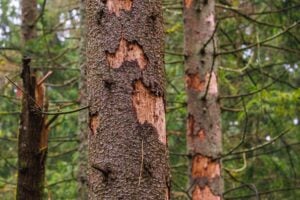
Insect damage is often far more serious than it appears. By the time visible symptoms develop, pests may have already weakened your tree’s structure, disrupted nutrient flow, or opened the door to disease.
If you’ve noticed thinning leaves, bark damage, unusual insect activity, or simply want peace of mind about the health of your landscape, a professional evaluation can make all the difference.
American Tree Experts provides comprehensive pest management services designed to identify problems early and protect the long-term health of your trees and shrubs. To schedule an inspection or learn more about treatment options, call (973) 744-6091 or email am*******************@***il.com today.