
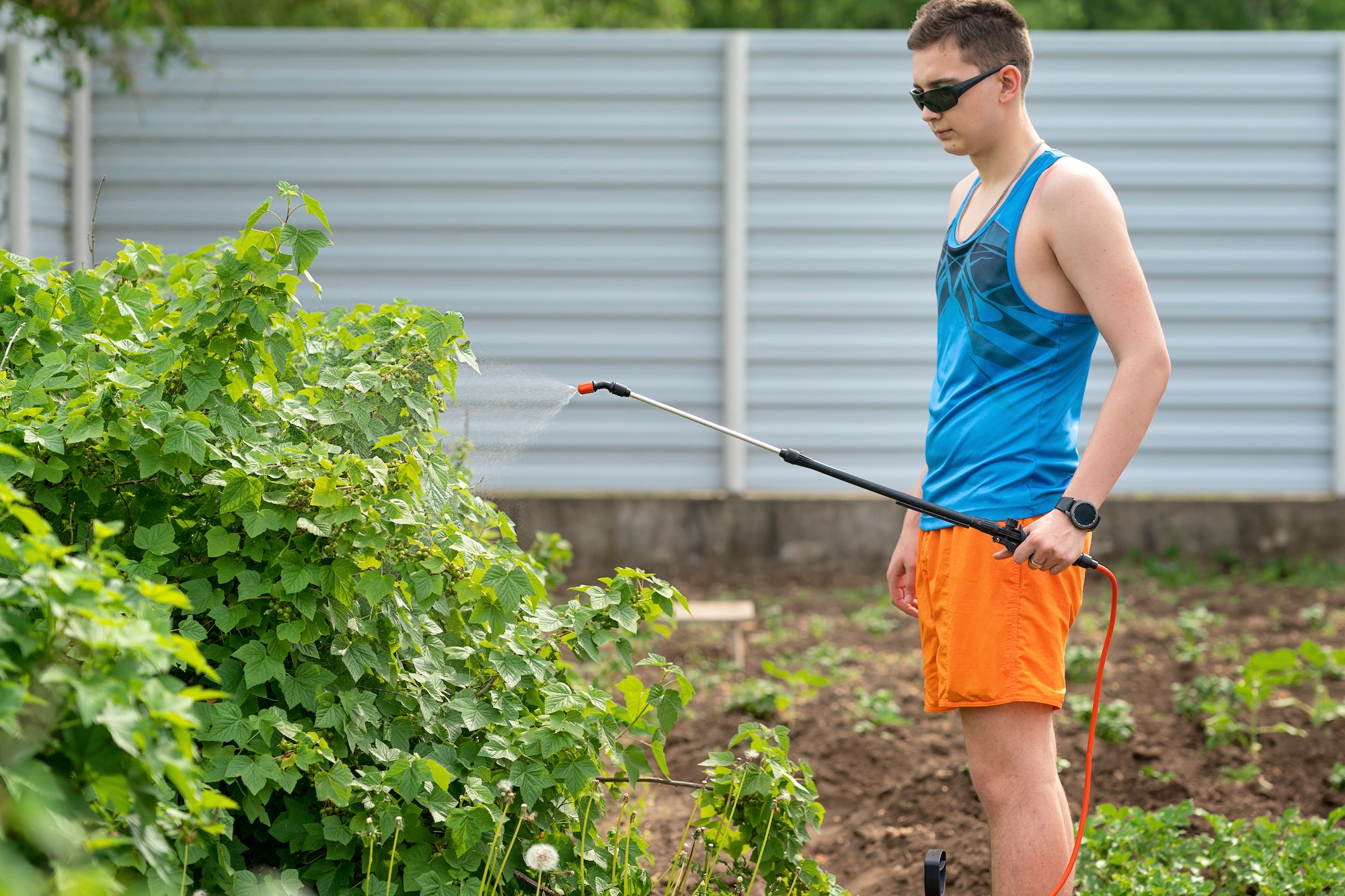
Learn on 5 best practices for protecting your trees from pests
Pest buzzing is irritating, causes property damage and food contamination, and threatens human health. Tree pests are even more devastating as they can invade the tree and cause significant damage. Therefore, it is crucial to know how to safeguard your trees from pests to maintain their health. Continue reading to discover the best practices to protect your trees from pests.
Regularly Inspect Trees
- Early detection of pests is critical to protecting your trees. Start inspecting your trees regularly once bug season starts.
Signs of pest infestation include:
- Anormal growth patterns
- Boreholes in the bark
- Discolored leaves
- Unusual leaf size
- Thinning foliage
If you observe any of these symptoms, seek the assistance of a professional arborist for proper assessment and treatment.
Effective Watering Practices
- A well-hydrated tree is better equipped to withstand pest attacks. To promote tree health, avoid exposing them to undue stress, such as prolonged dehydration. Adequate watering and mulching during drought will increase the tree’s chances of survival. However, excessive moisture can also harm the tree, so ensure the soil has proper drainage.
Regular Tree Pruning
- Regular pruning is essential for maintaining optimal tree health. It improves air circulation and ensures that sunlight reaches all parts of the tree to promote growth. However, trees can be more susceptible to pests immediately after pruning, so pruning at the right time in the right place is crucial. Prune trees at the appropriate time of year to help minimize pest risks.
Maintain a Clean Yard
- Clearing your yard of fallen branches after pruning or after a storm can help prevent pests from feeding on moist wood. This is especially important during the flight period of beetles in spring. In addition, keeping your yard tidy and free of debris makes it easier to spot pest infestations.
Protect Trees by Wrapping
- Harsh weather can pose threats to trees in multiple ways. Wrapping your trees in the winter can prevent the wood from cracking or splitting. Cracked or split wood attracts pests. Cover trees with missing bark to prevent pests from infesting the exposed wood. Tree wraps provide a protective layer against harsh weather and insect damage. They regulate the temperature by allowing air and water to circulate while shielding against sunscald.
Sunscald is caused when the sun’s rays reflect off the snow and cause the tree trunks to crack. Tree wraps also act as a barrier against pests. The wrapping should be done between November and April to provide warmth during winter. You can use burlap, corrugated cardboard, polypropylene fabric, or craft paper to wrap the tree. In addition to wrapping, using dormant oils can effectively keep insects and pests at bay. Spray fruit trees with dormant oils before buds appear to kill insects, their larvae, and eggs and to protect delicate shoots and leaves.
Seek Professional Help
 Don’t let pests destroy your beautiful trees. Take action today by following the best practices for protecting your trees from pests. Contact an arborist for personalized advice and establish an effective tree care plan that incorporates preventive measures against pests. Arborists are trained to identify early signs of infestations and use specialized insecticides to control pests. Seeking professional help can ensure that your trees remain healthy and protected against insect attacks.
Sometimes a pest infestation can be controlled and eliminated by pruning the affected branches of the tree. If you are unsure whether your tree has been infested with a pest, contact American Tree Experts Inc today. Call us at 973-744-6091 today, and let us help you with all your tree and plant pest management needs.

 The temperature fluctuation of the soil can be avoided with the correct amount of mulch. Mulching helps insulate tree roots and protects the tree from extreme heat or cold. During the hot summer, mulch prevents exposure to the sun and reduces the amount of heat absorbed by the soil. In the winter, mulch insulates the roots and protects them from freezing temperatures.
 Regularly inspect your trees and branches to spot small bagworms. Small bagworms indicate a building infestation. They are easily removed by hand to prevent the risk of a severe infestation. In addition, when buying new trees and shrubs, carefully inspect the branches to ensure they are not infested.
 Untrimmed and overgrown branches can make your property look shabby and unmaintained. However, regular trimming can shape your trees while providing optimal nutrients and creating a tidy appearance. This makes your landscape look naturally beautiful and enhances the property’s curb appeal. In addition, well-kept, aesthetically pleasing trees increase the property’s sale value.
 An arborist beautifies trees in homes, parks, and sidewalks. Therefore, an arborist is expected to work diligently to avoid complaints. The work of an arborist should contain minimum errors. Regardless of the type of service you are seeking, whether it is tree shaping, cabling, pruning, pest management, or removal, a successful arborist should be able to do it all without making mistakes.
 The best time to fertilize trees is before their active growth begins in early spring. However, some experts suggest that late fall is a better time to fertilize trees. On the other hand, some people take the middle road by fertilizing their trees in early spring and late fall. This may be optional for most trees. Therefore, the best thing to do is to consult an arborist to determine the right time to fertilize your trees.
 It is crucial to consult with an arborist and opt for professional services if you are considering tree removal. An arborist will provide information about the tree’s health and the best way to remove it. In addition, an arborist will provide insight into the potential impacts of tree removal on the adjoining properties.
 Cleaning dead, broken, and diseased branches of trees during trimming is called crown cleaning. It can be done as a part of crown raising, thinning, or reduction. Another plus about crown cleaning is that it can be performed any time. Crown cleaning helps strengthen the overall tree. Furthermore, it prevents potential damage to the tree and surrounding property and increases the safety of the landscaping.
 Wild animals such as deer and Bambi can feed on the twigs and bark of the young trees. Deer are particularly bold and cause significant damage in less time. Keeping wild animals away from your landscape can be challenging. Anti-deer fencing, motion-activated lights, or repellents help keep the animals away from your trees.
 Green giant arborvitae trees are popular in commercial as well as residential areas. They are large, dark green trees that grow in a cone shape. They can grow in various climates and handle strong winds, drought, and harsh weather.