
Table of Contents
Soil Health in Montclair: The Secret to Strong, Healthy Tree Roots
Homeowners in Montclair understand the significant effort required to maintain mature trees that have endured decades of seasons, storms, and soil shifts. Yet one of the most common misunderstandings is believing that water alone keeps a tree healthy. The truth? Many Montclair trees are silently struggling beneath the surface; suffocating roots, compacted soil, or nutrient deficiencies that water simply can’t fix. That’s where a professional arborist, like American Tree Experts, steps in. With decades of experience in New Jersey soil conditions, they help restore the natural balance of oxygen, nutrients, and structure that trees need to thrive.
Why Tree Roots Need More Than Just Water
Water is vital, but it’s only part of the story. Tree roots also need oxygen, nutrients, and healthy soil structure; three things Montclair’s urban and suburban environments often lack.
- Oxygen: Roots “breathe” too. When soil becomes compacted by foot traffic, construction, or even heavy rainfall, oxygen levels drop. This suffocates roots, slowing growth and opening the door to rot and disease.
- Nutrients: Trees draw nitrogen, phosphorus, potassium, and micronutrients from the soil. Without them, growth becomes stunted and the tree becomes vulnerable to pests and environmental stress.
- Soil structure: Healthy soil has air pockets that let roots expand freely. In Montclair’s clay-heavy soils, these spaces are often compressed, trapping water and blocking airflow, the perfect recipe for root suffocation.
Common Soil Health Problems in Montclair Yards
If you’ve noticed patchy foliage, slow growth, or early leaf drop, your tree’s soil may be part of the problem. Some local soil challenges include:
- Compacted soil: Frequent yard use, driveways, or lawn equipment compact the soil, preventing roots from expanding.
- Waterlogging: Poor drainage leaves the soil oversaturated, starving roots of oxygen.
- Nutrient depletion: Older properties and repeated lawn fertilization can throw off soil balance, making nutrients less available to trees.
- Buried root flares: When mulch or soil is piled too high, the tree’s base can’t “breathe,” leading to decay.
Montclair’s mix of older landscapes, walkways, and dense neighborhoods means these issues appear more often than homeowners realize.
How to Improve Soil Health for Stronger Tree Roots
Healthy roots start with healthy soil, and small changes can make a big difference.
1. Mulch wisely
Apply 2–3 inches of organic mulch (like shredded bark or leaf compost) around the base of your tree, keeping it a few inches away from the trunk. It regulates temperature, holds moisture, and breaks down into natural nutrients.
2. Water deeply, not often
Shallow watering encourages shallow roots. Instead, soak the soil to a depth of 8–12 inches. Let the top few inches dry between watering to prevent suffocation.
3. Loosen compacted soil
Professional techniques like air spading can gently break up soil without damaging roots. This restores oxygen flow and encourages root expansion.
4. Test and amend your soil
A soil analysis can reveal exactly what nutrients your trees are missing. Custom nutrient injections, like those used by American Tree Experts, deliver balanced nutrition directly to the root zone.
5. Expose the root flare
If your tree’s trunk looks like a telephone pole entering the ground, it’s probably buried too deep. Exposing the root flare allows the base to dry properly and prevents decay.
People Also Ask
How do roots contribute to soil health?
Roots add organic matter, improve soil structure, and create channels that help water and air move through the ground. Healthy roots mean healthier soil, and vice versa.
Why do plant roots need to grow so much?
Roots expand to search for water, oxygen, and nutrients. Limited root growth means limited access to essentials, leading to weak or stunted trees.
Why is root diversity important for healthy soil?
Different root types interact with various soil layers, improving structure, nutrient exchange, and microbial balance, all essential for a thriving ecosystem.
How does water affect root growth?
Too little water causes stress, while too much displaces oxygen and suffocates roots. The key is balance; deep, infrequent watering that encourages strong root systems.
When to Call a Professional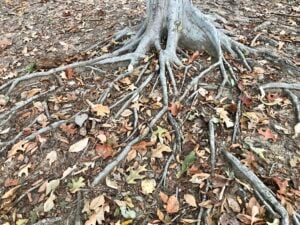
If your trees aren’t growing as vigorously as they used to or you’ve noticed thinning canopies and bare branches, it may be time for a professional soil health assessment. At American Tree Experts, certified arborists use scientific soil testing and custom nutrient injections tailored to Montclair’s specific conditions. Their goal isn’t just to keep your trees alive; it’s to help them thrive for generations.
Call to Action
Healthy trees start with healthy soil, and the experts who know how to restore it. Contact American Tree Experts today at (973) 744-6091 or email am*******************@***il.com to schedule your soil health evaluation or nutrient management service.