American Tree Experts

Emerald Ash Borer Infestation: What Montclair Homeowners Need to Know

Emerald ash borer damage affecting ash trees on a Montclair residential property

Emerald Ash Borer Infestation: A Guide for Montclair Homeowners

If you’re a Montclair homeowner with ash trees on your property, especially older, established trees that shade your yard or line your street, then this informative article is for you. Too many residents don’t realize their ash tree is in trouble until branches start dying at the top, woodpeckers show up out of nowhere, or a once-healthy tree suddenly becomes a safety risk. By the time the damage is obvious, options can be limited and costly.

American Tree Experts has been protecting Montclair trees for generations. With an ISA Certified Arborist and a New Jersey Licensed Tree Expert on staff, our team knows how to spot emerald ash borer early, explain your real options clearly, and take action before a manageable problem turns into a dangerous one.

Why Emerald Ash Borer Is a Serious Problem in Montclair

Emerald ash borer (EAB) doesn’t weaken trees slowly over decades. Once an ash tree is infested, it often declines rapidly and can die within just a few years. Montclair’s mature neighborhoods are especially vulnerable. Ash trees were widely planted decades ago, and many are now large, prominent trees near homes, sidewalks, and streets. When EAB kills an ash, the wood becomes extremely brittle, increasing the risk of falling limbs or complete failure.

This isn’t just a tree health issue. It’s a property safety issue.

What Is Emerald Ash Borer, and Why Is It So Destructive?

Emerald ash borer is an invasive beetle that attacks all ash species. The real damage happens beneath the bark, where the larvae feed on the tissue that moves water and nutrients through the tree. Because the infestation starts internally and often high in the canopy, many homeowners don’t notice anything wrong until the tree is already under serious stress.

How to Tell If Your Ash Tree Is Infested

Early detection can make the difference between treatment and removal. Some of the most common signs Montclair homeowners should watch for include:

Canopy Dieback

The top of the tree thins first. Leaves may be sparse, smaller than usual, or missing entirely on upper branches.

D-Shaped Exit Holes

Adult beetles leave small, D-shaped holes, about 1/8 inch wide, when they emerge from the bark.

S-Shaped Galleries Under the Bark

If bark is peeled back, you may see winding tunnels packed with sawdust-like material (called frass).

Increased Woodpecker Activity

Woodpeckers feed on EAB larvae. Heavy pecking or “flecking” can make the bark look lighter or scaly.

Epicormic Sprouting

Stressed ash trees often send out leafy shoots from the trunk or base. This is called epicormic sprouting. Healthy trees don’t normally display epicormic sprouting.

Vertical Bark Splits

As larvae tunnel beneath the bark, long vertical cracks can form on the trunk.

Many of these signs aren’t easy to see from the ground. That’s why professional inspection matters.

What Montclair Homeowners Should Do If They Suspect EAB

The Township of Montclair and the New Jersey Department of Agriculture both recommend early professional evaluation.

Consult a Certified Arborist

  • A New Jersey Licensed Tree Expert or ISA Certified Arborist can assess the extent of infestation and help you understand whether treatment is realistic. American Tree Experts performs detailed evaluations as part of our pest management services, focusing on safety, tree health, and long-term outcomes.

Understand Treatment Options

If the tree is healthy or only lightly infested, preventative insecticide treatments may slow or stop the infestation. These treatments typically need to be reapplied every 1 to 2 years for the life of the tree and must be applied by professionals using proven materials.

Know When Removal Is the Safer Choice

  • If more than 50% of the canopy is dead, or if the tree is already declining rapidly, removal is often the only responsible option. Dead ash trees become brittle quickly and can fail without warning, especially during storms.

Large removals often require specialized equipment, such as cranes, to safely protect nearby homes and property.

Report Suspected Infestations

Residents can report emerald ash borer sightings to the New Jersey Department of Agriculture at 609-406-6939 or through the USDA’s EAB reporting system.

Plan for Replanting

After removal, diversifying your landscape helps prevent future losses. Popular replacement trees in Montclair include eastern redbud, sugar maple, and river birch.

Can You Prevent Emerald Ash Borer Infestation?

Prevention is possible, but timing matters.

  • Treatments are most effective before heavy infestation.
  • Healthy, valuable ash trees are the best candidates.
  • Waiting until symptoms are severe often removes treatment as an option.

This is where experience counts. American Tree Experts doesn’t push treatments that won’t work. We’ll tell you honestly whether prevention makes sense for your specific tree.

Commonly Asked Questions

How do you treat an emerald ash borer at home?
DIY treatments are not effective. Professional-grade insecticides and proper application timing are essential for success.

How do you prevent emerald ash borer infestation?
Preventative trunk injections or soil treatments applied by certified professionals can protect healthy ash trees.

How do you know if you have an emerald ash borer infestation?
Signs include canopy dieback, D-shaped exit holes, bark splitting, woodpecker activity, and epicormic sprouting.

Do you have to cut down a tree with ash dieback?
Not always, but if more than half the canopy is dead or the tree poses a safety risk, removal is usually necessary.

Why Montclair Homeowners Trust American Tree Experts
Montclair homeowner inspecting ash tree for signs of emerald ash borer infestation

American Tree Experts has been caring for trees in Montclair since 1934. We’re a third-generation, family-run company with deep local knowledge and a reputation built on honest advice, not fear tactics.

We look for problems homeowners can’t see from the ground, explain options clearly, and prioritize your property’s and your family’s safety.

If you’re concerned about emerald ash borer, or just want peace of mind, American Tree Experts is here to help. For more information, call: (973) 744-6091 or email at am*******************@***il.com. A professional evaluation today can save you thousands, and protect the trees that make your Montclair property feel like home.
Common Tree Pests in Montclair, NJ, And How to Spot Them Early

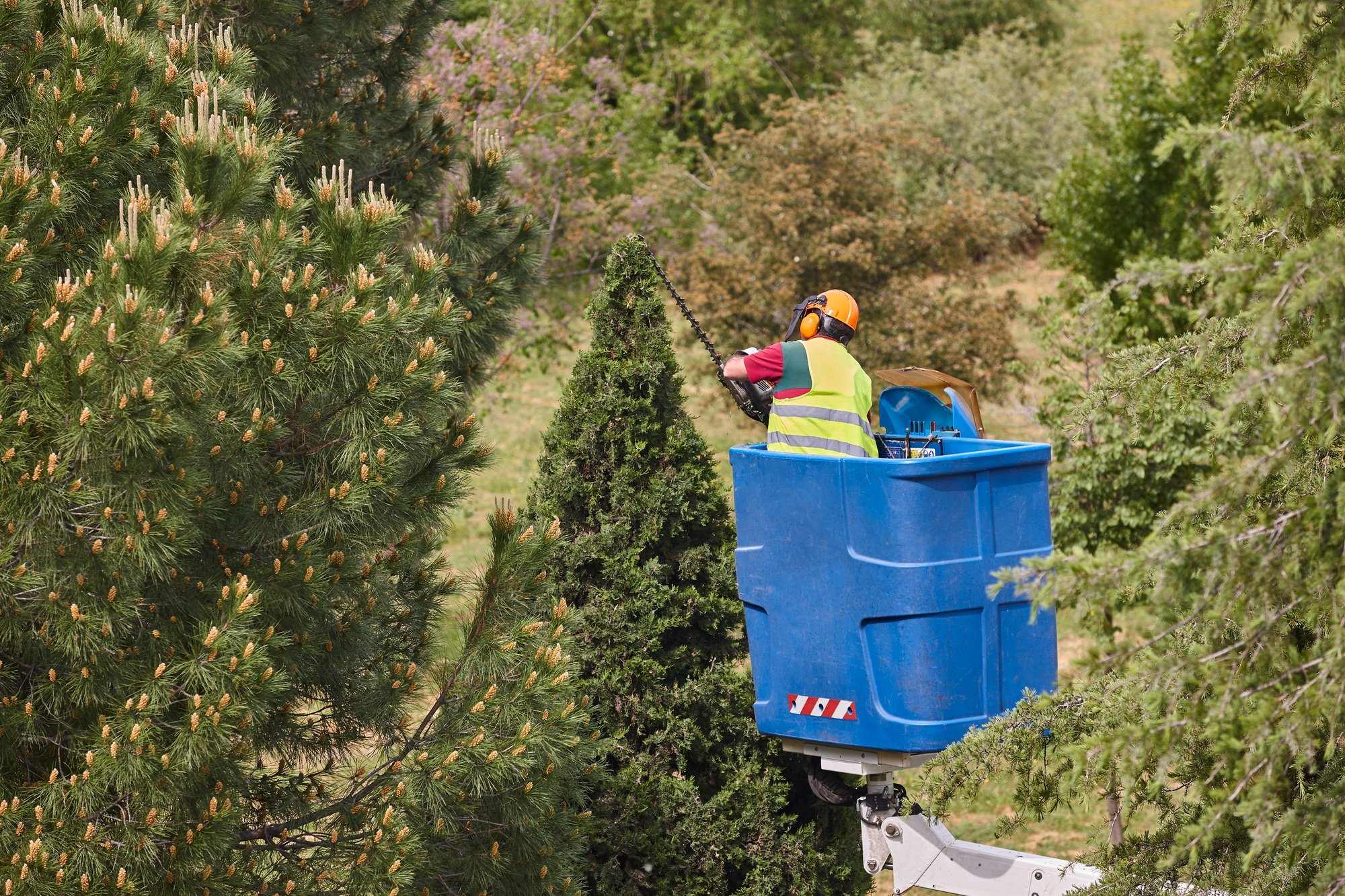
Certified arborist from American Tree Experts inspecting Montclair trees for common Tree Pests like borers and aphids

How to Identify Tree Pests Early in Montclair, NJ

For Montclair homeowners who take pride in their tree-lined streets and shady backyards, a healthy canopy is part of what makes the neighborhood feel alive. But pests can change that fast. From emerald ash borers hollowing out beloved ash trees to spotted lanternflies coating patios with sticky residue, pest infestations often go unnoticed until serious damage is done. The good news? With early detection and professional care, most tree pest problems can be managed before they spread. That’s exactly what American Tree Experts, Inc. has been helping Montclair homeowners do since 1934: protect their trees with safe, science-backed pest management that keeps landscapes healthy and thriving year after year.

Why Montclair Trees Are Especially Vulnerable

Montclair’s dense, older neighborhoods offer the perfect mix of mature trees and close spacing, which is a dream for homeowners but also for invasive pests. Many of these insects, like the emerald ash borer and spotted lanternfly, thrive in urban and suburban environments where tree diversity is limited. Combine that with changing weather patterns and compacted soil, and it’s no surprise that infestations can spread quickly across yards and blocks.

The Most Common Tree Pests in Montclair, NJ

Below are the most frequent offenders local arborists see, and the warning signs to catch them before serious damage occurs.

1. Emerald Ash Borer (EAB)

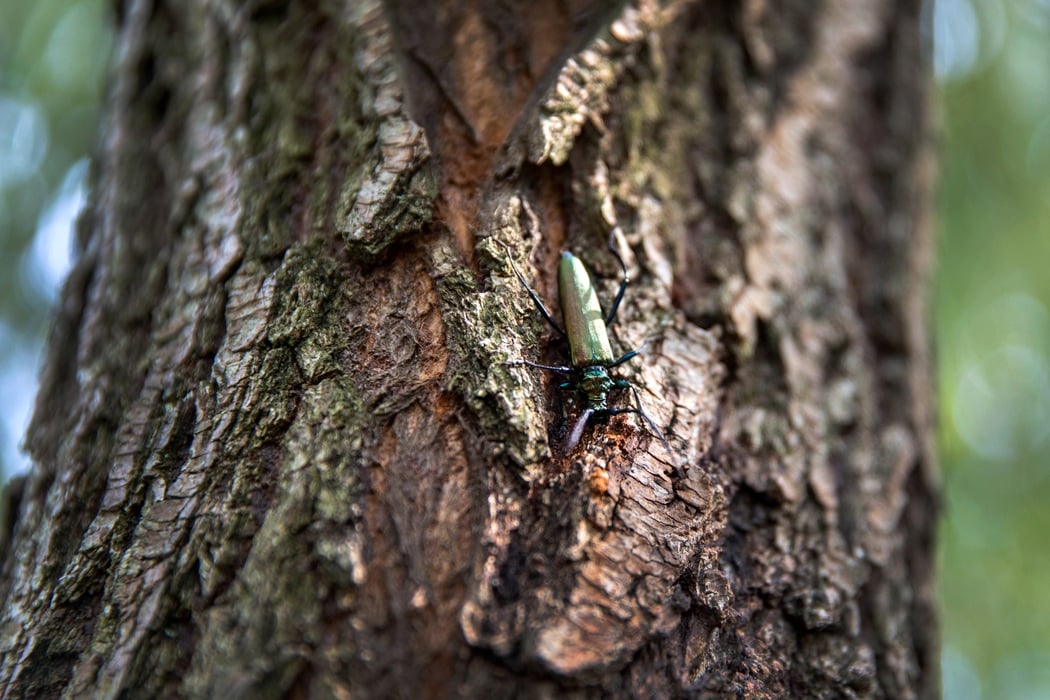
This small, metallic green beetle has destroyed millions of ash trees across New Jersey.

Signs of Infestation:

  • D-shaped exit holes in the bark.
  • S-shaped tunnels under the bark (when peeled back)
  • Top-to-bottom thinning of the canopy.
  • Splitting bark and increased woodpecker activity

Act Fast: Once symptoms appear, damage progresses rapidly. Our experts at American Tree use targeted trunk injections and monitoring to protect valuable ash trees before infestations become fatal.

2. Asian Longhorned Beetle

Recognizable by its long black-and-white antennae, this pest attacks maples, elms, and willows, all common in Montclair yards.

Signs of Infestation:

  • Yellowing or drooping leaves.
  • Sawdust-like frass near the tree’s base.
  • Round, pencil-sized exit holes in bark.
  • Branch dieback.

Left untreated, these beetles can hollow out a tree from the inside, leading to structural failure or death.

3. Spotted Lanternfly

This invasive insect is a growing problem throughout Essex County. It feeds on sap from trees like maples, walnuts, and fruit trees.

What to Look For:

  • Gray egg masses on tree trunks, fences, or even patio furniture.
  • Sticky “honeydew” residue on leaves, railings, and cars.
  • Sooty black mold forming on surfaces.
  • Adults with spotted wings hopping around your yard in late summer.

While spotted lanternflies rarely kill trees outright, their feeding weakens plants and creates ideal conditions for disease and mold.

4. Gypsy Moth (Spongy Moth)

These destructive caterpillars are known for large-scale defoliation. They favor oaks and other hardwoods, both abundant in Montclair.

Warning Signs:

  • Hairy caterpillars feed on leaves in late spring.
  • Tan-colored egg masses on trunks or furniture.
  • Bare branches with little to no foliage.

Repeated defoliation over consecutive years can kill even mature trees.

5. Japanese Beetle

These shiny green beetles are small but mighty. They devour soft leaf tissue, leaving a “skeletonized” pattern behind.

Spot the Damage:

  • Lace-like leaf remains on ornamental trees and shrubs.
  • Heavy activity on sunny days.
  • Small groups of beetles feeding together in the form of clusters. 

Japanese beetles often target linden, birch, and fruit trees, making them a frequent nuisance for Montclair gardeners.

6. Eastern Tent Caterpillar

Active early in spring, these caterpillars create the telltale silky “tents” in fruit and ornamental trees.

Indicators:

  • Silken webs in branch forks.
  • Small black or striped caterpillars are crawling on bark.
  • Rapid leaf loss in affected areas.

Their feeding can severely stress young or newly planted trees, so prompt removal is key.

7. Aphids

They might be tiny, but aphids can cause major problems over time.

Common Signs:

  • Sticky residue (honeydew) dripping from leaves.
  • Curling or yellowing foliage.
  • Black sooty mold growth.
  • Ants clustering around trees (feeding on the honeydew).

These pests drain nutrients from leaves and can spread viral diseases among nearby plants.

How to Spot Tree Pest Damage Early

Early detection can mean the difference between saving and losing a tree. Here’s what homeowners should check for:

  • Yellowing or wilting leaves occur when watering and soil conditions are normal.
  • Holes, frass, or tunnels on the trunk or branches.
  • Peeling or splitting bark, exposing galleries beneath.
  • Reduced foliage density or uneven canopy growth.
  • Sticky residue or mold on surfaces under your trees.

If you notice any of these signs, don’t guess; rather, have a certified arborist inspect the tree before it worsens.

What to Do If You Suspect an Infestation

Here’s the thing: DIY sprays and online “tree hacks” rarely solve the root issue. Some pests, like the emerald ash borer, live beneath the bark, where store-bought treatments can’t reach.

A professional pest management plan typically includes:

  1. Inspection & Diagnosis – Identifying the exact pest and stage of infestation.
  2. Targeted Treatment – Using safe, effective materials applied directly to problem areas.
  3. Ongoing Monitoring – Regular follow-ups to ensure pests don’t return.
  4. Nutrient Support – Strengthening trees with custom liquid injections to boost recovery.

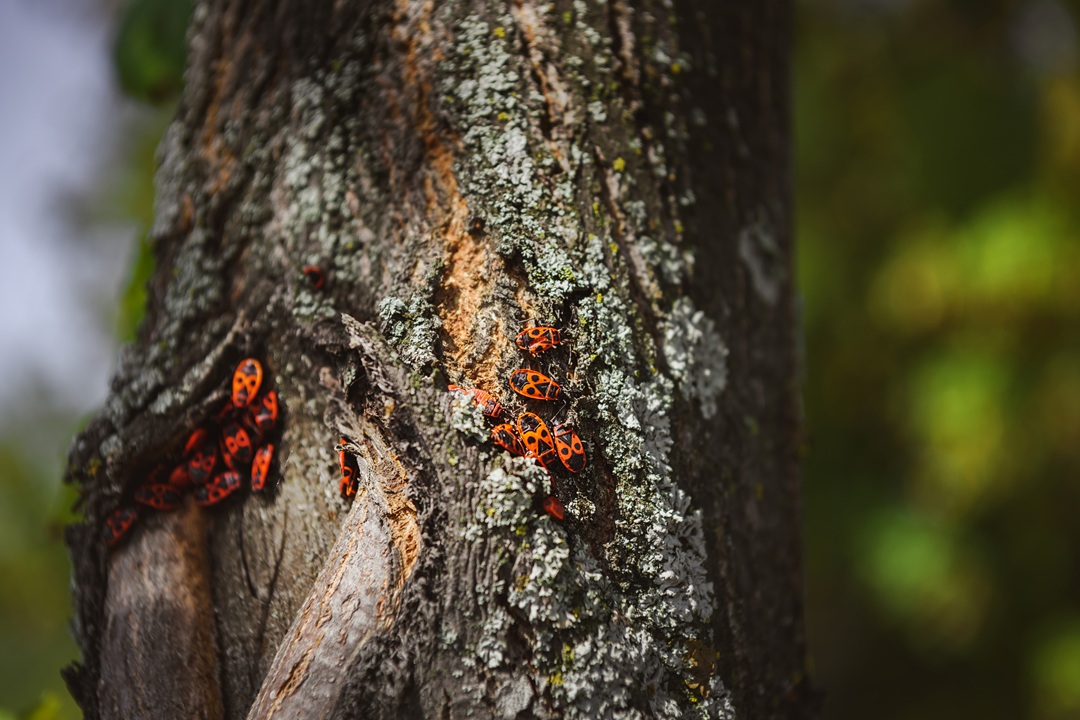
American Tree Experts uses environmentally responsible methods, ensuring both the safety of your property and the long-term health of your trees.Close-up of pest-infested tree bark in Montclair NJ identified early by American Tree Experts during inspection

Keep Montclair’s Tree Canopy Healthy

Montclair’s trees are part of what makes this community beautiful — but they can’t fight pests alone. Regular inspections and early action can save your landscape and prevent costly removals later.

If your trees show signs of infestation or decline, call the professionals who’ve been protecting Montclair’s greenery for nearly a century. For more information, call (973) 744-6091 or email am*******************@***il.com

6 Tree Maintenance Tips For Winter

6 Tree Maintenance Tips For Winter

Winter tips for smart tree maintenance

Winter may seem like a dormant time for your trees, but it’s one of the most important seasons for long-term health. Understanding what trees need in the winter helps prevent cold damage, reduces risk to property, and can save you money on emergency tree removals later. Here’s a seasonal tree care guide to help you understand what your trees need and how to support them during winter.

1. Inspect Your Trees After Every Storm

Montclair winters can be unpredictable. Heavy snow and ice can cause major stress to branches and trunks. After each storm:

  • Check for broken limbs or branches hanging loosely.
  • Look for signs of cracking, splitting, or leaning trees.
  • Pay special attention to trees near your home, garage, or power lines.

If you notice damage, avoid attempting to repair it yourself. Tree work in winter can be risky without the proper tools and training. Call a certified arborist at American Tree Experts to evaluate the damage safely.

2. Prune Dormant Trees

Winter is the best time to prune deciduous trees. With no leaves in the way, arborists can easily assess the tree’s structure. Proper winter pruning:

  • Removes dead, diseased, or crossing branches.
  • Helps trees heal quickly before spring growth.
  • Reduces the risk of storm damage.

Not all trees benefit from winter pruning, however. Maples and birches, for example, tend to bleed sap if pruned too early. A professional will know the right timing and technique.

3. Mulch to Insulate Tree Roots

Tree roots are still active in winter, especially in the early and late parts of the season. A proper layer of mulch around the base of your tree:

  • Helps regulate soil temperature.
  • Reduces frost penetration.
  • Retains moisture during dry spells.

Apply mulch in a donut shape, 2–3 inches deep, and keep it a few inches away from the trunk to prevent rot. Some tree care services offer mulching as part of a comprehensive care plan tailored to the specific needs of Montclair’s soil and climate.

4. Water During Dry Winters

It may seem strange, but winter watering can be essential, especially during dry spells when snow is scarce. Trees still require hydration to maintain healthy roots. Focus on:

  • Young or newly planted trees.
  • Evergreens, which lose moisture through needles.

Water during mild days when temperatures are above freezing. Don’t overdo it. A deep soak every few weeks is often enough.

5. Protect Trees from Winter Wildlife

Deer, rabbits, and rodents are more likely to nibble on tree bark in winter when food is scarce. This can lead to girdling, which cuts off the tree’s nutrient flow. Prevent damage with:

  • Tree guards or wire mesh should be placed around the base of the tree.
  • Burlap wraps for shrubs and young trees.
  • Avoid using salt near trees, as it can attract animals and damage their roots.

6. Prepare for Spring With a Tree Care Plan

Winter is the best time to book an arborist inspection. Professionals can:

  • Evaluate overall tree health.
  • Recommend pruning, fertilization, and soil amendments.
  • Create a spring maintenance schedule.

With decades of experience in Montclair, American Tree Experts can spot issues early and recommend proactive steps to keep your trees healthy year-round.

Call American Tree ExpertsProfessional Gardener Pruning Decorative Trees During Seasonal Maintenance

  • Winter is the foundation of healthy growth seasons ahead. From precision pruning to post-storm assessments, American Tree Experts Inc. helps Montclair homeowners protect their trees when it matters most.

Need expert help with tree inspections, pest issues, or storm damage? American Tree Experts Inc. offers reliable tree care services. We are a group of tree experts working in Montclair, New Jersey. Call us today at 973-744-6091, and we’ll provide you with a complimentary quote.

How To Choose The Right Mulch For Your Trees?

How To Choose The Right Mulch For Your Trees?

Finding the Best Mulch to Keep Your Trees Healthy

Mulching is one of the simplest yet most effective ways to support tree health. The right mulch helps retain moisture, regulate soil temperature, and suppress weeds. But with so many mulch options available, how do you choose the best one for your trees? In this guide, we’ll explore how to select the best mulch for your trees, ensuring they get the nutrients and protection they need to thrive.

Choosing Between Organic and Inorganic Mulch

  • Selecting the right mulch for your trees starts with deciding between organic and inorganic options. Both have unique benefits, and understanding their impact can help you make an informed choice.

Why Organic Mulch Is a Great Choice?

  • Organic mulch comes from natural materials and offers a range of benefits for soil health and tree growth.

Improves Soil Health

  • As organic mulch decomposes, it enriches the soil with essential nutrients and encourages beneficial microbial activity. This process enhances soil fertility, making it healthier for your trees.

Helps Retain Moisture

  • Organic mulch reduces water evaporation from the soil and maintains consistent moisture levels, ensuring your trees stay hydrated even in dry conditions.

Regulates Soil Temperature

  • It acts as insulation, keeping roots cooler during hot summer months and warmer in winter. This protects trees from temperature extremes that can stress their growth.

Suppresses Weed Growth

  • Organic mulch limits weed growth by creating a natural barrier, reducing competition for water and nutrients. This allows trees to thrive without interference from unwanted plants.

Naturally Biodegrades

  • Organic mulch naturally breaks down over time, enriching the soil. However, it does require replenishment each year to maintain its effectiveness.

Common Types of Organic Mulch

Some popular options include:

  • Wood chips
  • Bark mulch
  • Straw or hay
  • Compost
  • Leaf mold

These choices not only support tree health but also contribute to a more sustainable and eco-friendly landscape.

Why Inorganic Mulch Might Be the Right Fit?

  • Inorganic mulch, made from nonliving materials, provides a long-lasting alternative to organic options. While it doesn’t improve soil health, it offers distinct advantages in terms of durability and maintenance.

Lasts for Years

  • Unlike organic mulch, inorganic mulch doesn’t break down over time. This makes it a long-term solution that requires little replacement, saving time and effort.

Low Maintenance and Pest Resistance

  • Since it doesn’t decompose, inorganic mulch doesn’t attract pests or require yearly replenishment. This makes it a convenient option for those looking for minimal upkeep.

Enhances Landscape Aesthetics

  • With various colors and textures available, inorganic mulch can give your landscape a polished look and maintain its appearance longer than organic alternatives.

Superior Weed Suppression

  • Inorganic mulch creates a strong barrier against weeds, often outperforming organic options in preventing unwanted growth. This reduces competition for nutrients and water.

Fire-Resistant Properties

  • Some types, like gravel or crushed stone, act as a firebreak, making them ideal for fire-prone areas.

Common Types of Inorganic Mulch

Popular choices include:

  • Gravel or pebbles
  • Crushed stone
  • Rubber mulch
  • Landscape fabric

Factors to Consider When Selecting Colored Mulch

  • Choose mulch certified by the Mulch & Soil Council to ensure it contains nontoxic, environmentally safe dyes.

Dyed mulch can fade over time, requiring periodic replenishment to maintain its vibrant appearance. Be mindful during application, as some colored mulches may stain concrete, patios, or clothing.

Organic vs. Inorganic: Which is Best?bush

  • While both have their advantages, organic mulch is often the preferred choice for trees due to its ability to improve soil health. However, the best option depends on your specific needs, tree species, and climate. If you’re unsure, consulting a certified arborist can help you make the right decision for your landscape.

If you need more information about mulching or suspect your plants and trees are experiencing a nutrient deficiency, contact American Tree Experts Inc. today. We are a professional tree pruning and nutrient management company. Call us at (973) 774-6091 and let our nutrient management experts help you bring your garden back to life.

Top 4 Trees For Planting Near Your House

Top 4 Trees For Planting Near Your House

Best Trees for Planting Near Your Home

Picking the right tree for your yard is more than about aesthetics. A tree that’s too big can block sunlight, obstruct your view, or even become a risk to your home’s structure over time. But when you choose wisely, the right tree will grow strong without causing damage to your property or your neighbors. Let’s explore the best trees to plant near your house.

Crepe Myrtle

  • Crepe Myrtle is a stunning choice for home landscaping. From summer to fall, it offers vibrant flowers in pink, white, lavender, and red. This low-maintenance tree thrives in warm climates, making it a great addition to front yards. Also known as summer lilac, it works well in small spaces and even in containers if you want to add a decorative touch near your house.

Crepe Myrtle is a multi-stemmed flowering tree with striking multi-colored bark. Its blooms can range from white to magenta and even orange, and it has beautiful fall foliage. This tree can be trained into a single trunk or left to develop naturally with multiple stems. If you want to shape it properly for your space, learning how to prune crepe myrtle will help it grow in a way that complements your home.

Ornamental Cherry Tree

  • Flowering cherry trees are an excellent choice for adding year-round beauty to your landscape. Their pink or white blossoms in spring, vibrant red and gold leaves in fall, and textured bark in winter make them a focal point in any yard. Their shallow roots reduce the risk of foundation damage.

Cherry trees are available in many varieties, offering spectacular blooms and minimal root interference. Choosing a cultivated variety may provide a small fruit harvest in summer. These trees require little maintenance and naturally develop an attractive shape. Just be sure to plant them at a safe distance from your home so they have enough room to grow.

Leopard Tree

  • The leopard tree is a great choice for warm climates. Its delicate, feathery leaves offer light shade. In summer, it produces fragrant yellow flowers, followed by dark seed pods. Its smooth bark, which peels to reveal patches of gray and white, gives it a distinctive appearance. It has an airy canopy with slightly drooping branches. It doesn’t create dense shade, making it perfect for yards that need filtered sunlight.

Allegheny Serviceberry

  • Native to the northeastern U.S., the Allegheny serviceberry is a fantastic choice for those looking for a medium-sized, fast-growing tree that’s easy to maintain. It produces white spring blossoms, followed by purple berries in early summer that attract birds and other wildlife.

Serviceberry trees are multi-stemmed and moderately large at maturity, making them a great addition to home landscapes. They offer striking white blooms in early spring and stunning fall colors. Requiring little to no pruning, this tree naturally forms a well-branched shape, making it an excellent choice for front yards.

Expert Help from American Tree ExpertsPlanting trees

  • Choosing the right trees for your yard requires careful planning to ensure they enhance your space without causing issues. American Tree Experts specializes in tree planting and maintenance, helping Montclair homeowners select and care for trees that thrive in their environment. 

Whether you need advice on root management, pruning, or long-term care, our expert team can guide you toward the best solutions for a safe and beautiful landscape.

If you are looking for the best pruning and tree removal services, contact American Tree Experts Inc. today. We are a group of tree experts working in Montclair, New Jersey. Call us today at 973-744-6091, and we will give you a fantastic quote for free.

A Guide To Identifying And Treating Dutch Elm Disease (Part 2)

A Guide To Identifying And Treating Dutch Elm Disease (Part 2) - wikipedia

Effective Strategies for Treating Dutch Elm Disease: A Comprehensive Approach (Part 2)

Dutch Elm Disease can pose a significant threat to Newark’s cherished elm trees. This devastating fungal disease can quickly spread and kill mature trees, alter the landscape, and reduce urban greenery. It’s essential to recognize the signs of the disease and implement effective treatments. This guide will help you identify symptoms and explore treatment options to preserve your trees.

Treating Dutch Elm Disease

  • Dutch Elm Disease should be treated immediately to save affected trees. While there is currently no cure for Dutch Elm Disease, effective treatments can interrupt its cycle and preserve the trees. The most effective treatments include:

Removing Affected Branches

  • If you have elm trees on your property in Newark, it’s crucial to monitor them for weakened, dead, or dying branches throughout the growing season. Removing these branches promptly eliminates breeding sites for elm bark beetles.

If you find affected branches while the tree is dormant, they must be removed before spring. Branches found during the growing season should be removed within 2 to 3 weeks to prevent beetles from emerging. Ensure that removed branches are destroyed by chipping, burning, or burying them to prevent further spread of the disease.

Applying Insecticide

  • Insecticide applications can effectively kill elm bark beetles before they spread the disease. The timing and location of these applications depend on the type of elm bark beetle prevalent in your area.

Native Elm Bark Beetle

  • Apply insecticides to the lower stems of elm trees in late summer to kill the beetles as they prepare to overwinter.

European Elm Bark Beetle

  • Apply insecticides to the crown of the trees in the spring.

For best results, it is advisable to have a professional arborist in Montclair, NJ, apply insecticides to ensure proper treatment and protection of your elm trees.

Disrupting Root Grafts

  • To prevent the spread of Dutch Elm Disease, disrupting root grafts between elm trees is essential. If an affected elm tree is close to a healthy one, sever the root grafts immediately. 

This should be done before removing the infected tree because the healthy tree can quickly absorb the disease from the infected roots. Additionally, sever root grafts between two healthy elm trees as a preventative measure to protect them from potential infection.

Injecting Fungicide

  • When applied correctly, fungicide injections can protect elm trees from Dutch Elm Disease, though they are expensive and can pose some health risks to the tree. The treatment is most effective when administered through microinjection into the roots, allowing the fungicide to be distributed to the crown.

This process should be done every 1 to 3 seasons after the earliest leaves have fully grown. Potential negative effects include leaf scorch or loss, as well as discoloration and decay from drilling injection holes. Flushing the injection holes with water after applying the fungicide can help mitigate these issues. For best results and safety, have a professional arborist in Newark perform the fungicide injections.

Conclusionduth-Elm_

  • Protecting your elm trees from Dutch Elm Disease requires vigilant monitoring and proactive treatment. By promptly identifying the signs and hiring professionals to take appropriate measures, you can save your trees.

We can treat and prevent your trees from becoming infected and help already infected trees. At American Tree Experts, Inc., we offer the best services to keep your plants out of harm’s way. Our pest management services protect your trees from pests throughout the year. Our most sought-after services are pruning, bracing, pest, and nutritional management. We offer services in Montclair, New Jersey. Call us at (973) 744-6091 for a free quote.

A Guide To Detecting And Preventing Tree-Boring Insects

how to detect tree-boring insects

10 proven strategies to detect and prevent tree-boring insects from damaging your trees

Wood-boring insects, commonly referred to as tree borers, pose a significant threat to ornamental trees and shrubs across the United States and beyond. These pests, typically found in the larval stage of various insect species such as beetles, wasps, and moths, can cause considerable damage. We have outlined tips to identify tree-boring insects and prevention tips to help you take proactive measures to protect your landscape.

Detecting Tree Borers

  • Tree borers typically target stressed trees rather than healthy ones. They particularly attack newly transplanted, injured, or weakened trees. After hatching, young larvae quickly burrow under the bark to feed and grow. Watch out for signs such as tunnel holes, sawdust like frass, dead branches, bark cracks, or sap seepage.

Once inside the tree, detecting borer larvae becomes challenging until substantial damage occurs. This damage often results in structural weakness, branch dieback, girdling, and overall decline in tree health, potentially leading to the tree’s demise. Infested areas also become vulnerable to pathogen entry. At this stage, larvae are typically resistant to insecticide sprays.

Types of Tree Borers

Common wood borer types include:

Longhorn Beetle Larvae

  • They create oval-shaped tunnels filled with a mixture of droppings and sawdust. Infested wattles may appear distressed, with excessive sap dripping, resembling bleeding wounds.

Jewel Beetle Larvae

  • Jewel beetle larvae create tunnels into bark, cambium, and sapwood packed with droppings and sawdust.

Wood Moth Larvae

Tunneling caused by wood moth larvae may go unnoticed until exit holes become apparent. Tunnel entrances are typically covered with bark and webbing, often found in the forks of trees.

Eliminating Tree-Borer Insects

  • Once you have confirmed a tree borer infestation, you have two treatment options available:

Chemical Treatment

  • Utilize contact insecticides or soil treatments to eradicate existing infestations and prevent future attacks. However, it’s essential to follow local regulations about pesticide usage to ensure legal compliance before applying any chemical treatments to your trees.

Mechanical Approach

  • Alternatively, you can manually remove larvae using specialized tools or eliminate infested wood sections. In cases of severe infestation, the removal of the entire tree may be necessary to mitigate risks associated with falling branches or widespread infestation.

Preventing Tree Borer Infestations

  • Implement these proactive measures to reduce the risk of wood borer infestations:

Select Resistant Tree Species

  • Opt for tree species less susceptible to wood borers when planning your landscaping. Consult with a certified arborist or tree care specialist to identify suitable tree species for your region that are less prone to infestation.

Maintain Tree Health

  • Properly care for your trees by ensuring they receive adequate water and nutrients. Well-maintained trees are less likely to become stressed or weakened, reducing their vulnerability to wood borers. Pay special attention to newly transplanted trees to support their growth.

Prevent and Treat Tree Injuries

  • Addressing tree injuries promptly can reduce the risk of borer infestation. If you spot a wounded tree, take immediate steps to care for it and minimize the likelihood of infestation.

Prune Infested Branches with Care

  • tree-boring insectsWhen dealing with borer infestations, pruning off affected branches is a practical approach. Inspect your cut for any signs of borer holes or tunnels. If you detect a hole, you’ll need to make another cut further along the branch towards the trunk.

In some instances, borers may have penetrated the trunk, necessitating more drastic measures such as severe pruning or complete tree removal. For large trees showing signs of illness and borer activity, seek expert advice and assistance from a certified arborist.

For expert tree care services, turn to American Tree Experts Inc. We provide comprehensive pest management solutions for all types of pests and bugs. Call us at (973) 744-6091. We are located in MontClair, New Jersey.

Understanding The Tree Damage Caused By Spider Mites

tree damage caused by spider mites

Read this before it’s too late – Essential tips for understanding and preventing tree damage caused by spider mites

Spider mites pose a significant threat to your trees and plants, often going unnoticed until signs of infestation appear. Despite their small size, these pests can cause considerable damage to trees. Continue reading to understand the damage caused by spider mites and effective techniques for eliminating them from your plants.

Tree Damage Caused by Spider Mites

  • Spider mites damage trees and plants through feeding and webbing.

Feeding Damage

  • Spider mites extract nutrients and chlorophyll directly from the leaves of plants. Since they are small, they typically do so in a cell-by-cell manner. Initially, the signs of their feeding appear as tiny brown or dry spots beneath the leaves.

While they are hard to notice at first, their reproduction can quickly increase, leading to a proliferation that can affect an entire leaf within a day. The affected leaves undergo color changes, turning dark yellow or brown, with edges curling up and drying out eventually.

Webbing Damage

  • The majority of spider mite species are notorious for constructing spider-like webs to hide and protect their eggs. This webbing is initiated by females immediately after laying eggs. The webbing acts as a barrier, preventing water and light from reaching the tree and impairing the essential photosynthesis processes crucial for the plant’s survival. The extent of damage caused by spider mites varies depending on the plant species. While some plants may only become aesthetically unpleasant, others die completely.

Fragile species such as roses and African violets are particularly vulnerable to spider mite infestations. In addition, spider mites may induce sunburn damage or stunting in tomatoes or peppers. As a result, the overall health of the plant deteriorates due to disrupted photosynthesis. Furthermore, crops such as beans, peas, or any pod-bearing plants are at risk of losing their entire harvest, as spider mites feed directly on the pods.

Preventing Spider Mite Damage

  • The primary defense strategy involves quarantine measures. Always ensure that any new plants introduced into your landscape are thoroughly inspected. This precaution is particularly crucial for preventing spider mite infestations, as even a small number of unnoticed pests can multiply rapidly. In just five days, two or three mites can proliferate into five hundred, and within ten days, this number can reach twenty-five thousand.

For existing plants in your home, consider the following preventative measures:

Control The Environment

  • Spider mites thrive in hot and dry conditions. Maintain adequate hydration levels for your plants, protect leaves from direct sunlight, and periodically spray them with water to discourage pest infestation.

Dust Regularly

  • Dusting your plants frequently acts as a preventative measure and a means of early detection of potential pests. Pay close attention to the hidden surfaces beneath each leaf, and remove any accumulated dust at least once a week.

Rinse And Wipe Suspicious Leaves

  • Periodically, rinse and wipe the leaves of your plants with a moist cloth, particularly focusing on rose bushes. This should be done every few weeks, especially during the summer months.

Pest Control Strategies

  • tree damage caused by spiderRelocate an infested plant to a separate area, ideally far from other plants.
  • Exercise caution and carefully review product labels to ensure safety, efficacy, and compatibility with spider mites.
  • Keep in mind that spider mites are arachnids, not insects, so typical insecticides may prove ineffective against them.
  • Neem oil is a versatile horticultural remedy effective against various pests, including spider mites.
  • Using biological controls offers a family-friendly approach to prevent and eradicate spider mites without posing any risk to household pets.

If your tree has been infested with a pest, contact American Tree Experts Inc. today. Our pest control services can help rid your trees of harmful pests before their eggs hatch. Call us at (973) 774-6091 today and let us help you with our wide range of services.

A Guide To Identifying Emerald Ash Borer Tree Infestation

identifying emerald ash borer tree infestation

A step-by-step guide to detecting emerald ash borer tree infestation

The Emerald Ash Borer (EAB), scientifically known as Agrilus planipennis, has caused widespread devastation, leading to the loss of countless ash trees across 30 states in the United States. This invasive pest from Asia likely went to the U.S. through concealed wood packaging materials. Emerald Ash Borer was first identified in the United States in southeastern Michigan in 2002. While several treatment options exist to manage EAB infestations, it’s crucial to identify the signs of infestation first.

Emerald Ash Borer

  • The Emerald Ash Borer is an invasive beetle known for its destructive effects on ash trees by consuming the tissues under the bark. While spotting the EAB beetles is not easy, the damage they cause to ash trees is more commonly observed. Adult EAB beetles are small, less than half an inch, with a shiny green appearance. They spend their short lives inside ash trees, looking for mates.

However, the real damage is caused by the larvae of the adult ash borer known as baby beetles. They tunnel beneath the bark of ash trees, feeding on the living tissue. As larvae infestation grows, it ultimately leads to the death of the ash tree, typically within 2 to 4 years after infestation.

Signs of Emerald Ash Borer Infestation

If you notice one or more of the following signs, your tree is infested by Emerald Ash Borer (EAB):

Bark Flecking

  • Look for light patches or bark flecking in the tree’s upper branches. This may be due to woodpeckers feeding on EAB and other insect larvae in the tree.

Severe Die-Back

  • Observe the upper branches of the tree. While it’s normal for trees to have some dead wood, an unusually high number of dead branches at the top of the tree is indicative of an EAB infestation.

Bark Cracks

  • Check for bark cracks on the tree. EAB larvae tunnel beneath the bark, and their activity can cause it to split open, often revealing distinctive S-shaped larval tunnels underneath.

If you notice any of these signs in your ash tree, it’s advisable to consult a professional arborist or tree expert for a proper assessment and potential treatment options to mitigate the EAB infestation. Early detection and intervention can help protect your tree and prevent further damage.

Sources of EAB

Emerald Ash Borers (EAB) can find their way into new areas and infest ash trees through various sources, including:

  • Firewood
  • Ashwood products
  • Infested ash plantings and trees
  • Ashwood packing material
  • Ashwood debris and trimmings

Due to their potential to carry and spread EAB, it’s essential to exercise caution and follow guidelines to prevent the unintentional spread of these destructive pests to un-infested areas.

Preventive Measures

  • emerald ash borer tree infestationAvoid transporting firewood, as EAB larvae can remain hidden within firewood bark. Always purchase and use locally sourced firewood.
  • Conduct regular tree inspections. If you observe any symptoms of an EAB infestation, promptly contact professional arborists for guidance.
  • When purchasing firewood, inquire about its origin and the supplier’s details, as larvae may be concealed beneath the bark.
  • Stay informed about any quarantines applicable to your locality and learn about State and Federal regulations.

We can treat and prevent your ash trees from becoming infected and help already infected trees. At American Tree Experts, Inc., we offer the best services to keep your plants out of harm’s way. Our pest management services protect your trees from pests throughout the year. Our most sought-after services are pruning, bracing, pest management, and nutritional management. We offer services in Montclair, New Jersey. Call us at 973-744-6091 for a free quote.

5 Tricks For Eco-Friendly Pest Management

tricks for eco-friendly pest management

Explore the benefits of eco-friendly pest management for your health and wallet

Dealing with pests can be challenging; however, pesticides or methods that harm the environment are not the only options. Several eco-friendly methods have been developed that, if not more, are equally effective in keeping pests away without causing detrimental effects on the environment. This article unveils five effective and eco-friendly tricks to help you manage pests safely and sustainably.

Harness The Power Of Essential Oils

  • Essential oils are an excellent solution to combat pesky pests. Essential oils like peppermint, lavender, and eucalyptus are potent insect repellents. Blend these natural fragrances with water in a spray bottle to create a solution that serves as an environmentally friendly substitute for chemical pesticides.

The magic lies in the strong aroma of essential oils, which effectively mask the surroundings, rendering them unbearable to insects. This technique will allow you to eliminate pests while ensuring the well-being of the environment.

Diatomaceous Earth

  • Diatomaceous earth is an exceptional natural product consisting of fossilized algae silica shells. Despite their microscopic size, these shells have sharp projections that pierce through the protective outer layer of insects, leading to the leakage of vital bodily fluids. As a result, pests die from dehydration. The best thing about diatomaceous earth is that it does not rely on toxic poison to cause harm to pests. Rather, its efficacy lies in the physical abrasiveness of its dust.

In addition, it is effective against a range of soft-bodied pests, including aphids, thrips, whiteflies, caterpillars, root maggots, slugs, and snails. However, it’s important to note that diatomaceous earth is non-selective and may potentially harm beneficial insects. Apply diatomaceous earth to the soil to target ground-dwelling pests.

Neem Oil

  • Neem oil is a versatile insecticide with its broad-spectrum effects. It acts as a poison, repellent, and deterrent to feeding. It also sterilizes certain insect species and disrupts the growth cycle of others. Neem oil can be applied as a foliar spray or soil drench. It is effective for many pests, including aphids, thrips, loopers, whiteflies, and mealybugs.

One distinctive feature of neem oil is its systemic properties. When Neem extracts are applied, plants absorb them through foliage and roots. This allows the oil to be present in the plant tissue. This systemic nature of Neem makes it effective against leaf miners, which do not respond to non-systemic foliar sprays. Moreover, it is considered nearly non-toxic to mammals and is only harmful when ingested.

Insecticidal Soaps

  • Insecticidal soaps are another eco-friendly solution against pests. This technique uses the salts and fatty acids within the soap to combat various soft-bodied pests effectively. It is effective against aphids, whiteflies, mealybugs, earwigs, thrips, and early-stage scale insects. When applied, the soaps penetrate the delicate outer shells of the pests, causing damage to their cell membranes.

As a result, the pests begin to deteriorate, leading to dehydration and eventual starvation. However, insecticidal pests can be phytotoxic to certain plants. Therefore, testing a small area before applying the soap on a larger scale is advisable.

Sticky Traps

  • eco-friendly pest managementRegarding sustainable pest control, sticky traps are another excellent solution. These traps are designed with a special adhesive that efficiently captures pests. In addition, it’s incredibly simple to use them. Position the traps where pests are found, and watch them get trapped upon contact with the adhesive.

Don’t let pests take over your landscape. Contact American Tree Experts Inc at 973-774-6091 for all your tree and plant pest management needs. Our team of experts can help you identify and address pest infestations, including the option of pruning affected branches. Trust us for effective pest control solutions. Call now and regain control of your trees and plants!