American Tree Experts

Fertilizer vs. Nutrient Management: What’s the Difference for Montclair Homeowners?

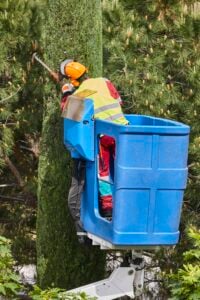
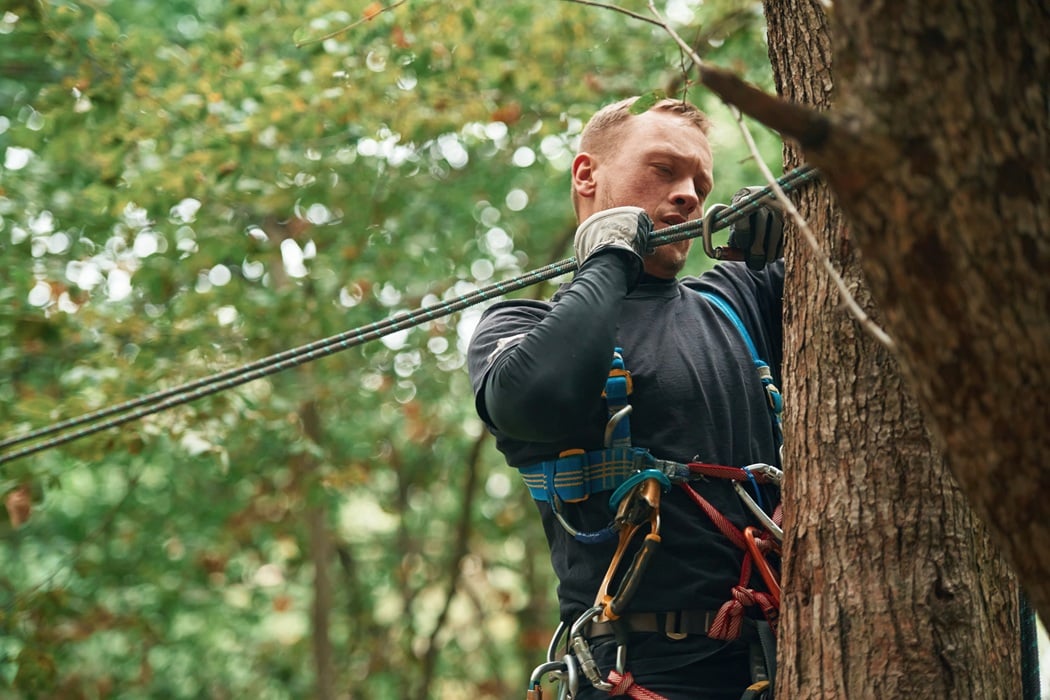
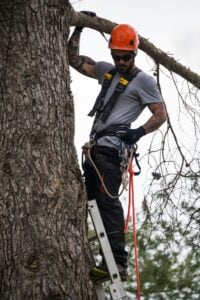
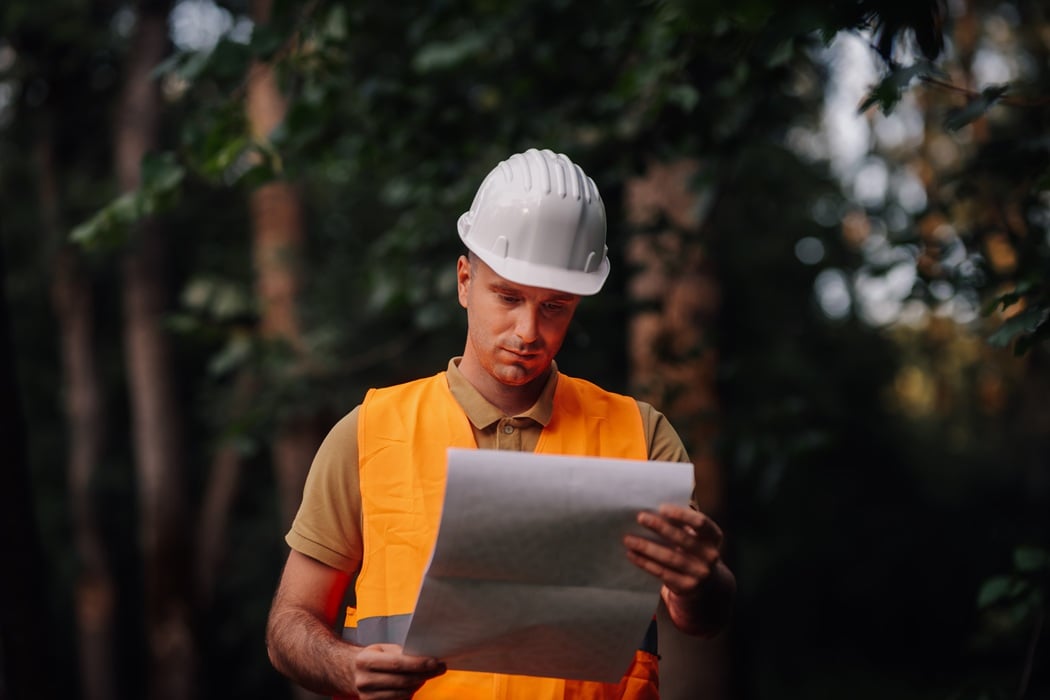
American Tree Experts performing nutrient management services for a Montclair homeowner

Fertilizer or Nutrient Management: Which Is Better for Montclair Lawns?

Montclair homeowners who care about keeping their trees healthy, especially those dealing with compacted urban soils, aging root systems, and weather-stressed landscapes, often wonder whether they should simply “add fertilizer” or invest in full nutrient management. The problem is that quick fixes rarely work here; too many Montclair yards sit on depleted soils where fertilizers wash away, burn roots, or do nothing at all because the underlying imbalance hasn’t been addressed. That’s exactly where American Tree Experts steps in, using 90+ years of plant-health expertise and custom nutrient injection programs to bring struggling trees back to life, safely and sustainably.

Fertilizer vs. Nutrient Management: Why the Difference Matters

Homeowners hear these two terms used interchangeably, but they’re not the same. Fertilizer is essentially a nutrient “boost.” Nutrient management is a long-term strategy, and in Montclair, where clay-heavy soil, dense sidewalks, and frequent storms all stress root systems, knowing the difference can mean the difference between a thriving shade tree and one that slowly declines year after year.

What Fertilizer Actually Does and Doesn’t Do

Fertilizer is a direct input, a product designed to deliver specific nutrients quickly. Think of it like giving your tree a vitamin shot when it’s not feeling well.

Benefits of Fertilizer

Drawbacks of Fertilizer

  • Easy to overapply, causing runoff into local waterways such as the Peckman River.
  • It can harm beneficial soil organisms when used too heavily.
  • Does not rebuild soil structure, organic matter, or long-term health

A common Montclair scenario: a homeowner notices yellowing leaves, spreads synthetic fertilizer three times in summer, and the tree still declines. Why? Because the soil wasn’t the problem; compaction, root damage, or missing micronutrients were.

What Nutrient Management Really Is

Nutrient management is not a product. It’s a system, one that balances soil, environment, and plant needs over time.

A Holistic, Long-Term Approach

Nutrient management follows the “4Rs”: Right rate, right source, right placement, right timing.

It incorporates:

  • Soil testing
  • Organic matter additions
  • Micronutrient balancing
  • Liquid trunk/soil injections (a specialty of American Tree Experts)
  • Long-term monitoring

Why This Matters in Montclair

Urban trees here compete with sidewalks, driveways, compacted soil, and stormwater drainage patterns that strip nutrients away. Nutrient management restores what the landscape no longer provides naturally.

Benefits of Nutrient Management

  • Strengthens soil health, not just plant appearance.
  • Reduces nutrient loss to the environment.
  • Builds tree resilience against pests, drought, and disease.
  • Provides steady, predictable improvement over time.

Drawbacks

  • Results take longer to show.
  • You need proper testing and professional guidance.

But the payoff? Healthier canopies, stronger roots, and longer-lived trees.

A Simple Way to Visualize the Difference

Visualizing the difference can be confusing for many homeowners. So here’s the simplest comparison:

  • Fertilizers give a quick vitamin boost.
  • Nutrient management is more like a personalized nutrition plan.

Your body needs both at times, but you wouldn’t rely on vitamin pills to fix a poor diet. Trees are no different.

How This Applies Specifically to Montclair Yards

Montclair’s soil profile is famously tricky: a mix of clay, rock, and compacted fill around older homes in Upper Montclair, Watchung Plaza, and the South End.

Here’s what that means for your trees:

1. Fertilizer Helps in Specific, Short-Term Cases

Useful for:

  • Newly planted shrubs.
  • Sudden nutrient deficiency.
  • Boosting stressed ornamentals during recovery.

A controlled-release formula can give a struggling dogwood or magnolia the support it needs.

2. Nutrient Management Wins Long-Term

Montclair conditions often require deeper solutions:

Soil Testing: Reveals whether your soil is low in nitrogen, too acidic, or lacking key micronutrients such as iron or manganese. (The Montclair Environmental Commission stresses the importance of proper soil testing.)

Organic Amendments: Compost, aged mulch, and natural humus build structure and water-holding capacity, something fertilizer alone cannot do.

Liquid Soil & Trunk Injections: American Tree Experts uses custom nutrient blends injected directly into the soil and trunk to ensure roots can access them. This is especially effective for:

  • Street trees are boxed in by pavement.
  • Older shade trees, such as oaks and maples.
  • Trees affected by construction, compaction, or drought stress

This method is far more effective than traditional lawn treatments because lawn fertilizer rarely reaches tree roots.

Cover Crops & Ground Improvements: Adding clover or low-maintenance ground covers naturally increases nitrogen availability and reduces soil erosion.

Common Signs You Need More Than Fertilizer

Homeowners often call after months of trying store-bought fertilizers that have not worked. If you’re seeing these issues, nutrient management, not more fertilizer, is the answer:

  • Leaves are yellowing or paling despite feeding.
  • Slow or stunted growth year after year.
  • Thin canopy or early leaf drop.
  • Soil that becomes hard as concrete in summer.
  • Trees affected by recurring pests or fungi.
  • Branch dieback or stress cracks.

These are symptoms of deeper soil depletion, not surface-level nutrient shortages.

How American Tree Experts Approaches Nutrient Management

This isn’t a one-size-fits-all service. The team evaluates your soil, your tree species, and the exact stress factors affecting your property. Their approach includes:

1. Soil and Site Diagnosis

Identifying compaction, pH issues, structural defects, nutrient imbalances, and environmental stressors.

2. Custom Liquid Injections

These are tailored formulas, not generic products, a major reason they work so well for Montclair’s urban tree challenges.

3. Integrated Pest & Disease Consideration

Nutrient issues often overlap with pests like woolly adelgid or emerald ash borer. American Tree Experts coordinates treatment so you’re not solving one problem while ignoring another.

4. Long-term Health Plans

Seasonal monitoring helps trees recover and stay strong year after year.

If it ever feels like a lot to manage on your own, their licensed experts handle everything safely, professionally, and with Montclair’s unique growing conditions in mind.

People Also Ask

What are the benefits of a nutrient management plan?

It improves long-term soil health, reduces nutrient waste, prevents environmental runoff, and supports stronger, more resilient plant growth. In Montclair, it helps trees adapt to compacted urban soils.

What nutrients are found in fertilizer?

Most fertilizers contain nitrogen, phosphorus, and potassium (the N-P-K trio), while specialty blends include micronutrients like iron, magnesium, and manganese depending on the plant’s needs.

How do you create a nutrient management plan?

American Tree Experts supports long-term soil and plant health

Start with soil testing to understand deficiencies, choose nutrient sources based on plant needs, apply them at the right time and rate, and monitor results seasonally. A professional arborist ensures accuracy and safety.

Conclusion

Montclair homeowners don’t need more guesswork. Whether your trees need a quick nutrient boost or a complete long-term soil improvement plan, understanding fertilizer vs. nutrient management helps you make better decisions and avoid costly mistakes.

If you want your trees evaluated, or you’re noticing yellowing leaves, slow growth, or canopy thinning, American Tree Experts is here to help. Call (973) 744-6091 or email am*******************@***il.com to schedule a consultation.

How to Tell if Your Tree Needs Cabling or Bracing in Montclair, NJ?

how to tell if a Montclair NJ tree needs cabling or bracing support

Signs Your Montclair Tree Needs Cabling or Bracing Support

If you’re a Montclair homeowner worried about whether that large maple or oak in your yard is becoming unstable, this article is for you. Many residents deal with the stress of cracked trunks, sagging limbs, or branches that look like they might fail during the next nor’easter, and figuring out what’s dangerous versus what’s normal growth can feel overwhelming. This is where American Tree Experts comes in: with nearly a century of experience and ISA-Certified Arborists on staff, they help homeowners identify structural issues early and use proper cabling or bracing to keep trees (and your property) safe.

Why Tree Cabling and Bracing Matter in Montclair

Montclair’s tree canopy is beautiful, but it’s also old; many properties have mature maples, sycamores, and oaks that have been standing for generations. Between heavy snow loads, unpredictable storms, and dense neighborhoods where homes sit close together, a compromised tree can quickly turn into a major hazard.

Most dangerous limbs don’t give a dramatic warning. The signs are often subtle, especially when decay or splitting starts high in the canopy. Too many homeowners ignore early clues, only to face expensive emergency removals after a storm.

Cabling and bracing exist for one reason: to stabilize weak or failing branches before they break.

Clear Signs Your Tree May Need Cabling or Bracing

1. Cracked or Split Trunk

  • If you notice a visible split in a trunk or major limb, that’s one of the clearest indicators. In Montclair’s older neighborhoods, this often happens where two large trunks form a narrow V-shape, a naturally weak union. Bracing rods are commonly used to hold these sections together.

2. Weak or V-Shaped Branch Attachments

Two branches or stems growing tightly together create compression and form what arborists call a “weak union.” If you see bark being squeezed or a narrow V angle, that junction may fail in snow or wind.

3. Heavy or Overextended Limbs

  • Long, stretched-out limbs, common on old silver maples, often sag under their own weight. If a branch looks heavy, droopy, or like it’s “pulling away,” cabling may redistribute that load before it snaps.

4. Storm Damage or Past Wind Stress

Montclair’s thunderstorms and winter nor’easters often reveal hidden structural weaknesses. Even if a limb didn’t break, a storm can loosen attachments, twist branches, or create hairline cracks. These often worsen months later.

5. Creaking or Groaning Sounds in Wind

  • This one surprises people, but unusual noises in windy weather can mean internal fibers are under stress. A branch that “pops” or “groans” is often moving more than it should.

6. Leaning or Unbalanced Canopy

A tree leaning toward a driveway, garage, or neighbor’s house isn’t automatically dangerous, but paired with other symptoms, it signals instability. An uneven canopy with thinning or dead branches can indicate internal decay.

7. Cavities, Decay, or Hollow Spots

  • Rot at the base of a limb or within the trunk weakens the wood, increasing the likelihood of collapse. Even cavities you can’t see from the ground may exist higher in the canopy, one reason professional inspection is essential.

How to Inspect Your Tree Safely (Without Climbing It)

You don’t need special equipment to spot the early warning signs. A simple monthly walkthrough of your yard can catch issues before they escalate.

Look for:

  • New cracks in bark.
  • Branches pulling away from the trunk.
  • Mushrooms or decay at attachment points
  • Limbs sagging more than usual
  • Deadwood accumulating in the canopy
  • Tight V-shaped crotches

Homeowners can only see so much from the ground. Many structural problems hide 30 to 60 feet up, where only a trained arborist using climbing or bucket equipment can inspect safely.

Cabling vs. Bracing: What’s the Difference?

Cabling (Flexible Support)

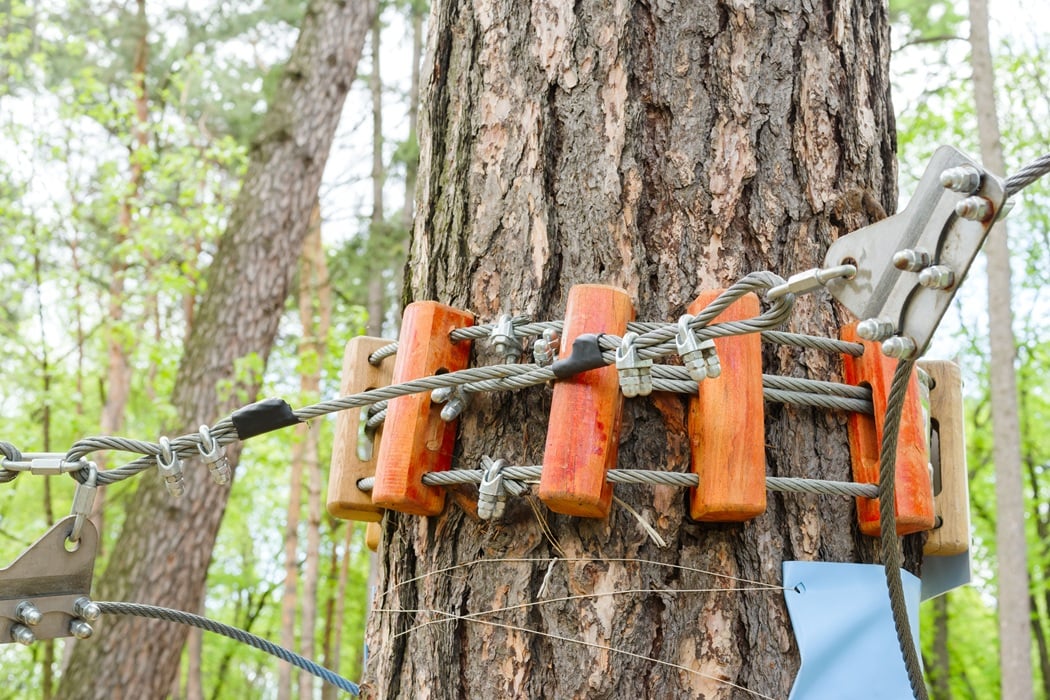
Used to stabilize branches, not trunks. Cabling involves installing steel cables between major limbs to limit movement during storms and reduce stress on the limbs.

Best for:

  • Overextended limbs
  • Weak branch unions
  • Protecting large, healthy trees from limb failure

Bracing (Rigid Support)

Used when a trunk or major limb is split, cracked, or at risk of separation. Bracing uses threaded steel rods drilled through the tree to hold it together.

Best for:

  • Split trunks
  • Rot or cavities compromising the trunk structure
  • Severe storm damage

Cabling and bracing are often used together; American Tree Experts installs both, depending on the tree’s needs.

How a Certified Arborist Decides Whether Cabling Is Needed

This is where professional evaluation matters. An ISA Certified Arborist will look at:

  • Species-specific structural tendencies
  • The tree’s age and overall health
  • Stress history (snow loads, storms, pruning)
  • Size and angle of limb attachments
  • Internal decay or cavities
  • Root structure and soil condition

Montclair’s dense property lines and older tree species mean arborists often recommend proactive cabling to prevent future failures rather than responding after cracks appear.

Commonly Asked Questions

When should you cable a tree?

Cable a tree when it has weak branch unions, overextended limbs, or structural issues that could cause failure in storms. Arborists often install cables preventively to protect mature trees from breaking under snow or wind loads.

How much does it cost to cable a tree?

Costs vary widely based on tree size, number of cables, and canopy height. Most homeowners in Montclair can expect to pay anywhere from a few hundred dollars to several hundred dollars for complex setups. A quick on-site evaluation gives the most accurate estimate.

Is cabling a tree worth it?

Yes, preserves mature trees, prevents dangerous limb failures, and saves thousands in potential property damage. It’s a cost-effective alternative to removal when the tree is otherwise healthy.

How long does tree cabling last?

High-quality steel cabling systems typically last 10–15 years, but they should be inspected every few years by an arborist to ensure they remain secure and effective.

When to Call a Professional (And Why It Matters)

If any of the earlier warning signs show up, especially splits, sagging limbs, cracks, or heavy lean, it’s time for a professional assessment. Cabling and bracing require precise placement, proper tensioning, and specialized hardware. Incorrect installations can fail when you need them most.

With American Tree Experts, you’re getting:

Montclair NJ tree cabling and bracing signs for homeowners

  • A New Jersey Licensed Tree Expert
  • ISA-Certified Arborists
  • 90+ years of family-run service
  • Detailed structural assessments
  • Safety-first cabling and bracing installations

They don’t make decisions from the ground, they climb, inspect, and diagnose the issues that most homeowners can’t see.

If you’re concerned about the stability of a tree on your property, whether it’s a small crack or a limb that seems heavier than it used to, don’t wait for the next storm to test it. Contact American Tree Experts today at (973) 744-6091 or email am*******************@***il.com for a professional assessment and peace of mind.

Tree Removal Permits in Montclair: What Homeowners Need to Know

Montclair NJ homeowner reviewing local tree removal permit requirements before scheduling service

Montclair Tree Removal Permit: What Homeowners Should Know Before Cutting

Homeowners in Montclair who value their mature trees often face a tough situation: what happens when a large or damaged tree needs to be removed? Between local ordinances, permit requirements, and safety concerns, it can quickly feel overwhelming. That’s where American Tree Experts comes in, with over 80 years of professional experience and certified arborists on staff, they help Montclair homeowners navigate tree removal safely, legally, and responsibly.

Understanding Montclair’s Tree Removal Regulations

  • Montclair’s urban canopy is part of what makes the township so charming, but that beauty is protected by strict municipal rules. According to Montclair Township’s local tree preservation ordinance, a permit is required to remove or injure any tree greater than six inches in diameter (measured 4.5 feet above ground).

The goal is to prevent unnecessary tree loss, protect property values, and preserve shade and wildlife habitats. This means that even if a tree is on private property, homeowners must follow the same standards as those for city-managed trees when it comes to removal.

When You Need a Tree Removal Permit

In most cases, Montclair homeowners need a tree removal permit if:

  • The tree’s trunk is 6 inches or larger in diameter.
  • The tree is healthy, even if inconveniently located.
  • You plan to remove several trees at once (as part of landscaping or construction).
  • The tree is situated within designated protected zones or near property boundaries.

Permit fees are typically non-refundable and vary depending on the number of trees being removed. Once approved, the township may also require replanting of one or more trees to offset canopy loss.

When You Don’t Need a Permit

There are a few exceptions that allow for removal without a permit:

  • Dead, dying, or hazardous trees: If the tree poses a clear risk of falling or has already died, you can remove it without prior approval.
  • Storm-damaged trees: If a storm causes severe damage, homeowners may act quickly to remove the hazard.
  • Emergency situations: When safety is at risk, immediate removal is permitted, though documentation from an arborist may still be required afterward.

However, even in these cases, it’s smart to consult a certified arborist before proceeding. An expert can confirm the tree’s condition and help provide proper documentation for the township.

How to Apply for a Tree Removal Permit in Montclair

Here’s a simple step-by-step overview of the process:

  1. Assess the Tree: Contact a certified arborist to evaluate the health and structure of your tree.
  2. Submit an Application: Fill out Montclair’s official Tree Removal Permit form (available via the township’s website or office).
  3. Include Documentation: Attach photos, property diagrams, and the arborist’s assessment.
  4. Pay the Fee: A small non-refundable application fee applies, depending on the scope of work.
  5. Wait for Approval: Permits are typically reviewed within 10–14 business days.
  6. Hire a Licensed Expert: Once approved, work must be performed by a New Jersey-licensed tree expert or Certified Arborist.

Why Working with a Certified Arborist Matters

Montclair homeowners sometimes try to handle tree removals themselves, but this can lead to fines, damage, or even injury. Certified arborists understand not only the biology and structure of trees, but also local codes and safety protocols.

At American Tree Experts, every project is evaluated for both safety and compliance. Their team assesses the tree’s health, identifies potential hazards, and handles all paperwork and municipal communication on your behalf. That means no guesswork, no legal risk, and peace of mind knowing the job is handled right.

Common Mistakes Homeowners Make with Tree Removal Permits

Even well-intentioned homeowners can encounter difficulties. Here are a few common pitfalls to avoid:

  • Assuming private property means full control. In Montclair, tree preservation laws apply to both public and private lands.
  • Failing to document the tree’s condition. If you remove a “dying” tree without proof, the township may issue penalties.
  • Hiring unlicensed contractors. Only registered tree experts are authorized to perform permitted removals in New Jersey.
  • Skipping replanting requirements. Many permits require replacement trees within a set timeframe.

Frequently Asked Questions

What are the laws for tree removal in New Jersey?

Most New Jersey municipalities, including Montclair, regulate tree removal to protect urban forests. Permits are required for trees over a specific diameter, and fines may apply for unapproved removals.

Do you need a permit to remove trees on your property?

Yes, if the tree is 6 inches or more in diameter. Smaller trees, dead trees, and emergency removals are typically exempt.

What permission is required to cut a tree?

A township-issued Tree Removal Permit is required for healthy or mature trees on private property.

Are you allowed to cut trees on your own property?

Yes, but only after obtaining the necessary permit if the tree meets size or condition criteria.

Protect Your Property the Right Way

Arborist in Montclair explaining town permit rules for tree removal on residential property

Tree removal in Montclair isn’t just about cutting down wood, it’s about maintaining safety, preserving the town’s beauty, and staying compliant with local regulations. If you’re unsure whether your tree needs a permit or want professional help handling the process, American Tree Experts can take care of everything from assessment to safe removal.

Call (973) 744-6091 or email am*******************@***il.com to schedule your consultation today.

The Soil Health in Montclair: Why Tree Roots Need More Than Just Water

Arborist in Montclair NJ checking soil health and nutrients to support strong tree roots

Soil Health in Montclair: The Secret to Strong, Healthy Tree Roots

Homeowners in Montclair understand the significant effort required to maintain mature trees that have endured decades of seasons, storms, and soil shifts. Yet one of the most common misunderstandings is believing that water alone keeps a tree healthy. The truth? Many Montclair trees are silently struggling beneath the surface; suffocating roots, compacted soil, or nutrient deficiencies that water simply can’t fix. That’s where a professional arborist, like American Tree Experts, steps in. With decades of experience in New Jersey soil conditions, they help restore the natural balance of oxygen, nutrients, and structure that trees need to thrive.

Why Tree Roots Need More Than Just Water

Water is vital, but it’s only part of the story. Tree roots also need oxygen, nutrients, and healthy soil structure; three things Montclair’s urban and suburban environments often lack.

  • Oxygen: Roots “breathe” too. When soil becomes compacted by foot traffic, construction, or even heavy rainfall, oxygen levels drop. This suffocates roots, slowing growth and opening the door to rot and disease. 
  • Nutrients: Trees draw nitrogen, phosphorus, potassium, and micronutrients from the soil. Without them, growth becomes stunted and the tree becomes vulnerable to pests and environmental stress. 
  • Soil structure: Healthy soil has air pockets that let roots expand freely. In Montclair’s clay-heavy soils, these spaces are often compressed, trapping water and blocking airflow, the perfect recipe for root suffocation.

Common Soil Health Problems in Montclair Yards

If you’ve noticed patchy foliage, slow growth, or early leaf drop, your tree’s soil may be part of the problem. Some local soil challenges include:

  • Compacted soil: Frequent yard use, driveways, or lawn equipment compact the soil, preventing roots from expanding.
  • Waterlogging: Poor drainage leaves the soil oversaturated, starving roots of oxygen.
  • Nutrient depletion: Older properties and repeated lawn fertilization can throw off soil balance, making nutrients less available to trees.
  • Buried root flares: When mulch or soil is piled too high, the tree’s base can’t “breathe,” leading to decay.

Montclair’s mix of older landscapes, walkways, and dense neighborhoods means these issues appear more often than homeowners realize.

How to Improve Soil Health for Stronger Tree Roots

Healthy roots start with healthy soil, and small changes can make a big difference.

1. Mulch wisely

Apply 2–3 inches of organic mulch (like shredded bark or leaf compost) around the base of your tree, keeping it a few inches away from the trunk. It regulates temperature, holds moisture, and breaks down into natural nutrients.

2. Water deeply, not often

Shallow watering encourages shallow roots. Instead, soak the soil to a depth of 8–12 inches. Let the top few inches dry between watering to prevent suffocation.

3. Loosen compacted soil

Professional techniques like air spading can gently break up soil without damaging roots. This restores oxygen flow and encourages root expansion.

4. Test and amend your soil

A soil analysis can reveal exactly what nutrients your trees are missing. Custom nutrient injections, like those used by American Tree Experts, deliver balanced nutrition directly to the root zone.

5. Expose the root flare

If your tree’s trunk looks like a telephone pole entering the ground, it’s probably buried too deep. Exposing the root flare allows the base to dry properly and prevents decay.

People Also Ask

How do roots contribute to soil health?

Roots add organic matter, improve soil structure, and create channels that help water and air move through the ground. Healthy roots mean healthier soil, and vice versa.

Why do plant roots need to grow so much?

Roots expand to search for water, oxygen, and nutrients. Limited root growth means limited access to essentials, leading to weak or stunted trees.

Why is root diversity important for healthy soil?

Different root types interact with various soil layers, improving structure, nutrient exchange, and microbial balance, all essential for a thriving ecosystem.

How does water affect root growth?

Too little water causes stress, while too much displaces oxygen and suffocates roots. The key is balance; deep, infrequent watering that encourages strong root systems.

When to Call a ProfessionalTree roots in Montclair thriving in healthy, nutrient-rich soil maintained by local tree care experts

If your trees aren’t growing as vigorously as they used to or you’ve noticed thinning canopies and bare branches, it may be time for a professional soil health assessment. At American Tree Experts, certified arborists use scientific soil testing and custom nutrient injections tailored to Montclair’s specific conditions. Their goal isn’t just to keep your trees alive; it’s to help them thrive for generations.

Call to Action

Healthy trees start with healthy soil, and the experts who know how to restore it. Contact American Tree Experts today at (973) 744-6091 or email am*******************@***il.com to schedule your soil health evaluation or nutrient management service.

The Cost of Tree Cabling and Bracing vs. Emergency Tree Removal in Montclair, NJ

Arborist in Montclair NJ installing tree cabling to prevent emergency removal costs


For Montclair homeowners with mature oaks or maples shading their yards, a single split branch or leaning trunk can spark major concern. Between unpredictable weather, heavy rains, and aging trees, the risk of sudden damage – or, worse, an emergency removal – looms large. Yet many don’t realize that a small investment in preventive tree cabling and bracing can often save thousands in emergency costs later. That’s where American Tree Experts, a third-generation Montclair-based company with certified arborists on staff, helps homeowners protect their trees and their budgets before disaster strikes.

Understanding the Cost Difference

Tree cabling and bracing typically costs between $300 and $1,000 per tree, depending on the tree’s size, structure, and accessibility. Meanwhile, emergency tree removal can run anywhere from $300 up to $5,000+, especially if the job requires cranes, after-hours labor, or involves damage near a home or power lines.

Service

Average Cost per Tree

Tree Cabling & Bracing

$300 – $1,000

Emergency Tree Removal

$300 – $5,000+

Proactive cabling strengthens weak branches and stabilizes split trunks, an investment that can extend a tree’s life and prevent costly emergency calls after a storm.

Why Emergency Removals Cost So Much

When a storm rolls through Montclair, fallen trees are not just an inconvenience; they’re a hazard. Emergency removals are expensive because they often involve:

  • Urgency: Crews must respond immediately, even outside regular hours.
  • Risk: The tree may be tangled in power lines or resting on a roof.
  • Specialized equipment: Cranes, bucket trucks, and rigging systems are often required.

A 60-foot oak leaning over a house might take an entire day, a full crew, and heavy machinery, driving costs up fast.

The Smart Move: Proactive Tree Cabling & Bracing

  • Cabling and bracing aren’t just for trees on the brink of failure. In fact, they’re most effective before problems escalate. This structural support system involves installing high-strength steel cables and braces between branches or trunks to reduce movement and redistribute stress.

Local Montclair homeowners often use this service to stabilize heritage trees that add beauty and shade but show early signs of weakness. Done correctly by a New Jersey Licensed Tree Expert, cabling can prevent limb breakage, reduce storm damage, and avoid the heartbreak (and expense) of losing a mature tree.

When Cabling Isn’t Enough

Of course, not every tree can be saved. If decay, disease, or structural damage is too advanced, even the best cables won’t prevent collapse. That’s why an on-site evaluation by a Certified Arborist is critical. They’ll inspect:

  • The health and stability of the trunk and roots.
  • The extent of decay or cavity formation.
  • The likelihood of branch or trunk failure.

If the tree poses a danger, safe removal may be the only option, but a scheduled removal will always cost less than an emergency one.

Is Tree Cabling Worth It?

Absolutely. For Montclair homeowners who care about preserving their landscape, cabling is a preventive investment, not an expense. It helps:

  • Extend tree life by decades.
  • Prevent storm damage to roofs, cars, and power lines.
  • Avoid costly emergency removals.
  • Maintain property value and curb appeal.

Replacing a mature shade tree can take years. Cabling and bracing keep those decades-old trees safe and standing strong.

Timing Matters: The Cheapest Time for Tree Work

If you’re looking to save, schedule cabling, pruning, or removals outside peak storm season. In Montclair, late fall through early winter (after leaf drop) is typically the most cost-effective time for major tree work. Crews are less busy, and the bare branches make assessment and installation easier.

When to Call a Professional Arborist

It is time to schedule an inspection if you see the following signs:

  • Cracks or splits in major branches
  • A leaning trunk
  • Weak branch unions (especially in twin-trunk trees)
  • Large limbs overhanging your home or driveway

American Tree Experts will provide an honest assessment, whether your tree can be saved through cabling or needs removal for safety.

Frequently Asked Questions

How much does tree cabling cost?

Tree cabling and bracing typically costs $300–$1,000 per tree, depending on size, accessibility, and the number of cables needed.

How much does tree removal cost in NJ?

Tree removal in New Jersey can range from $300 for small trees to over $5,000 for large or emergency removals, especially if cranes are required.

Is tree cabling worth it?

Storm-damaged tree being removed in Montclair NJ compared to supported tree with bracing system

Yes, cabling helps stabilize weak trees, preventing costly damage or removals later. It’s a smart investment for long-term tree health.

What is the cheapest time of year for tree removal?

Late fall through early winter is often the least expensive time, since trees are dormant and demand for services is lower.

Final Thoughts

Tree cabling and bracing aren’t just about preventing property damage; they’re about preserving Montclair’s beautiful, mature canopy for future generations. Waiting until a tree fails often leads to higher costs, greater damage, and lost shade that can’t be easily replaced.

If you’re unsure whether your tree needs support or removal, schedule a consultation today. Contact American Tree Experts at (973) 744-6091 or email am*******************@***il.com to speak directly with a certified arborist.

The Hidden Dangers of Overgrown Trees Near Power Lines and Homes

American Tree Experts arborist trimming overgrown trees near power lines in Montclair NJ for home safety

Why Overgrown Trees Near Power Lines Can Put Your Home at Risk

For Montclair homeowners surrounded by beautiful, mature trees, those leafy giants are part of what makes the neighborhood feel like home. But here’s what many don’t realize: when tree branches grow too close to power lines or rooftops, they become serious safety hazards. From electrical fires and shock risks to costly property damage during storms, overgrown trees Near Power Lines can quickly become dangerous. That’s why American Tree Experts, Inc., with its team of ISA Certified Arborists and New Jersey Licensed Tree Experts, helps local homeowners stay safe with professional tree pruning and removal services that keep your property and family protected year-round.

Why Overgrown Trees Near Power Lines Are a Serious Safety Risk

You don’t have to wait for a storm to experience trouble. A single branch brushing against a live wire can cause power flickers, electrical arcs, or even fires. The U.S. Energy Information Administration estimates that vegetation interference is one of the top causes of power outages nationwide.

In towns like Montclair, where tree-lined streets run close to overhead power systems, this risk is especially high. Many of these trees were planted decades ago, long before power lines were installed or expanded. Today, as branches spread, the proximity creates a perfect setup for trouble.

Electrical Hazards: The Invisible Danger

The scariest thing about trees near power lines? You don’t even have to touch the wire to be in danger.

Here’s why:

  • Electricity can jump, or “arc,” from a line to a nearby branch. That charge can travel down the tree and into the ground, electrocuting anyone who touches it.
  • Ground current occurs when the tree becomes a live conductor, creating shock hazards even several feet away.
  • Deteriorated insulation on older power lines worsens the problem, allowing electricity to leak or jump even more easily.

This is why only trained professionals should ever work near power lines. Attempting DIY pruning can be deadly.

Fire Hazards: When Branches Spark More Than Concern

In dry conditions, overgrown trees near power lines or houses, The branches rubbing against high-voltage lines can ignite sparks. Those sparks can ignite leaves, grass, or even rooftops, especially during New Jersey’s hot, dry late summers.

One fallen branch can do more than knock out your power. It can start a chain reaction that threatens entire neighborhoods. And while utility companies maintain public easements, property owners are responsible for keeping their private trees clear of overhead lines.

Property Damage and Power Outages

During storms, weakened or heavy branches can fall onto lines, causing outages and property damage. In some cases, a single fallen limb can:

  • Tear service lines off your home, damaging siding or roofs.
  • Pull down power poles, affecting your entire block.
  • Knock out electricity for critical local facilities, like hospitals and traffic lights.

Montclair’s older neighborhoods, filled with stately oaks and maples, are especially prone to this kind of risk. And with severe weather becoming more frequent, proactive tree care isn’t just aesthetic, it’s essential.

Who Is Responsible for Tree Trimming Around Power Lines?

Homeowners often assume it’s the utility company’s job to handle all tree trimming, but that’s not entirely true.

  • Utility companies are responsible for maintaining clearances on main power corridors and public rights-of-way.
  • Property owners are responsible for trees growing on private property that encroach on service lines leading to their homes.

If your tree is close to the main lines, do not attempt trimming yourself. Contact your local utility company to assess it first, then schedule professional pruning with a licensed tree expert who’s trained to work safely around electrical hazards.

Can Trees Grow Safely Around Power Lines?

With the right maintenance, yes. Strategic pruning helps guide growth away from power lines and prevents future interference. The goal isn’t to strip the tree but to shape it properly so that it grows strong, balanced, and safe.

Professional arborists use a method called directional pruning, which trains branches to grow away from wires without stressing the tree. Done correctly, it promotes long-term health while minimizing future hazards.

How Professionals Prune Trees Near Power Lines

Certified arborists follow industry safety standards, including ANSI A300 guidelines, to ensure both safety and tree vitality. The process typically includes:

  1. Inspection: Identifying branches that pose immediate risks.
  2. Clearance Cuts: Removing limbs within a danger zone while maintaining tree balance.
  3. Shaping: Directing future growth away from wires and structures.
  4. Cleanup: Disposing of debris safely and assessing for hidden structural weaknesses.

At American Tree Experts, every job is handled with precision and care. Their team doesn’t just remove branches; they evaluate overall tree health, identify weak spots, and provide recommendations to prevent future issues.

The Right Time to Schedule Pruning

The best time for pruning is typically late winter or early spring, before new growth begins. However, safety trimming, especially near power lines, can and should be done any time of year if there’s an immediate risk.

If you notice branches touching or hovering near power lines, don’t wait. A single windy night can turn a manageable issue into a full-blown emergency.

When Removal Is the Only Safe Option

Sometimes, a tree is simply too large, too unstable, or too close to infrastructure to prune safely. In those cases, tree removal is the responsible, and sometimes life-saving, choice. Removing a hazardous tree prevents electrical fires, property damage, and injuries before they happen.

American Tree Experts uses advanced equipment and safety protocols to handle even complex removals near structures or utilities with precision and care.

Keep Your Property Safe and Your Trees Healthy

Overgrown tree branches close to residential power lines posing risk to Montclair NJ homes

Let’s be real. trees don’t just grow beautifully; they grow unpredictably. What starts as a few overextended branches can become a dangerous situation in just one season. Regular, professional maintenance keeps your property safe, your power uninterrupted, and your trees healthy for years to come.

If your trees are growing close to power lines or your home, don’t risk DIY trimming; call the experts who’ve been keeping Montclair safe since 1934.

Call (973) 744-6091 or email at am*******************@***il.com

Are Weak Tree Limbs a Risk to Your Montclair Home? How Cabling Protects Your Property

Why Weak Tree Limbs Are a Real Risk in Montclair

Worried About Weak Tree Limbs? Protect Your Montclair Home with Cabling

If you’re a Montclair homeowner, you’ve probably looked at that large oak or maple in your yard and wondered what might happen if one of its heavy branches snapped in a storm. The truth is, weak tree limbs or overextended limbs can become dangerous quickly, damaging your roof, car, or even endangering your family. It’s stressful not knowing if that beautiful old tree is a blessing or a ticking time bomb. That’s where American Tree Experts, with nearly a century of hands-on experience, comes in. Our certified arborists specialize in tree cabling and bracing, a proven way to strengthen vulnerable limbs and keep your property safe without removing the tree you love.

Why Weak Tree Limbs Are a Real Risk in Montclair

Montclair is known for its mature neighborhoods lined with big shade trees. While they add beauty and value, they also bring unique challenges:

  • Structural Weakness: Limbs with cracks, splits, or narrow V-shaped unions are prone to sudden failure.
  • Storm Hazards: Heavy rains, snow loads, and winds put extreme pressure on already stressed trees.
  • Property Damage: A single limb can cave in a roof, dent cars, or take down power lines, costing thousands in repairs.
  • Hidden Dangers: Arborists call them “widowmakers” for a reason; branches that look fine from the ground can snap without warning.

Example: After a snowstorm last winter, a Montclair homeowner had a 20-foot limb crash through their fence. The tree wasn’t dead, it just had a weak union no one noticed until it was too late.

How Tree Cabling and Bracing Works

When done by professionals, tree cabling and bracing offer a cost-effective way to save a tree and prevent accidents:

  • Cabling: Flexible steel cables are installed high in the canopy to connect and support weaker limbs. This redistributes weight and reduces movement during storms.
  • Bracing: Solid steel rods can stabilize cracked trunks or major branches, stopping splits from worsening.
  • Preservation Over Removal: Instead of cutting down a beloved tree, these techniques extend its safe lifespan.
  • Long-Term Protection: Properly installed systems can last 20+ years with routine inspections.

Signs Your Tree May Need Cabling

Wondering if your trees are at risk? Look out for these warning signs:

  • V-shaped branch unions where limbs meet the trunk.
  • Visible cracks or cavities in large limbs.
  • Overextended branches stretching toward your home or street.
  • Evidence of decay or fungus near the base of limbs.
  • Trees with two or more co-dominant trunks.

If you spot any of these, it’s time to call in a certified arborist before the next storm tests your luck.

What Montclair Homeowners Should Do

  1. Inspect Regularly: After storms, walk your property and check for damage or changes in your trees.
  2. Call a Professional: Don’t attempt DIY cabling. Improper installation can cause more harm than good.
  3. Get a Risk Assessment: American Tree Experts provides thorough evaluations to identify hazards before they become emergencies.
  4. Protect What Matters: Think of cabling as insurance for your home, car, and family safety.

Why Trust American Tree Experts?

Since 1934, American Tree Experts has been helping New Jersey homeowners protect their trees and properties. With an ISA Certified Arborist and NJ Licensed Tree Expert on staff, we combine science-based methods with decades of field experience. Unlike companies that push removals, we prioritize preservation when it’s safe to do so.

When you call us, you’re not just getting cables and bolts, you’re getting peace of mind that your property is safer, and your trees are in the hands of experts who care about Montclair’s canopy as much as you do.

Related Questions Homeowners Ask

Do tree support cables really work?

Yes, when properly installed and maintained, they significantly reduce the risk of limb failure.

Is cabling a tree permanent?

Cabling systems can last decades, but should be inspected every few years to ensure effectiveness.

Can cabling save a tree instead of removing it?

Often, yes. Cabling can extend the life of structurally weak trees that are otherwise healthy.

Don’t wait until a weak tree limbs causes costly damage to your Montclair property. A quick inspection today can prevent major headaches tomorrow. The certified arborists at American Tree Experts are ready to help with professional tree cabling and bracing that keeps your trees safe and strong. Call us at (973) 744-6091 or email us at in**@**********ee.com.

Whether you need a risk assessment, emergency service, or long-term tree care, our family-run team has been protecting New Jersey homes since 1934. Reach out today and give your trees and your property the support they need.

Signs Your Trees May Be Suffering from a Pest Infestation

American Tree Experts inspecting pest infestation signs in trees Montclair NJ

Tree Pest Infestation: Key Symptoms Every Homeowner Should Watch For

If you’re a homeowner in Montclair or anywhere across northern New Jersey, chances are you’ve wondered if your trees are truly as healthy as they look. One of the biggest frustrations for property owners is that tree pests often hide in plain sight—by the time you notice thinning leaves or weak branches, the damage may already be extensive. That’s where American Tree Experts comes in. With nearly a century of experience, their team of ISA Certified Arborists knows how to detect the earliest warning signs and apply safe, effective treatments that protect your trees without harming the environment.

Why Pest Infestations Are So Hard to Catch Early

Here’s the thing: pests like the emerald ash borer, hemlock woolly adelgid, and scale insects don’t always make their presence obvious. They often attack silently from beneath bark or deep in the foliage. Many New Jersey homeowners don’t notice an infestation until trees begin to decline or pose safety hazards. Early detection isn’t just about aesthetics—it can mean the difference between saving a tree and paying for full removal.

Common Signs Your Trees May Be Under Attack

1. Unusual Leaf Damage

  • Skeletonized leaves (chewed through veins).
  • Browning or curling edges during the growing season.
  • Premature leaf drop.

If your maple or oak is dropping leaves in June, that’s a red flag.

2. Discolored or Thinning Canopies

A once full, green canopy that now looks patchy may be suffering from nutrient loss due to insect feeding. This is especially common with pests that suck sap, like aphids and scales.

3. Visible Boring Holes or Sawdust

If you see tiny D-shaped or round exit holes in bark, especially on ash trees, the emerald ash borer could be at work. Fine sawdust near the base of the trunk often signals the presence of carpenter ants or beetles.

4. Sticky Residue or Black Mold

Some pests, such as aphids, excrete a sugary liquid called “honeydew.” This not only makes patios and cars sticky but also fosters sooty mold that blackens leaves and bark.

5. Weak Branches and Structural Issues

When pests weaken trees, branches can split or drop without warning. A professional arborist may also notice hidden cavities or cracks that the average homeowner misses.

What To Do If You Suspect Tree Pests

  1. Don’t delay inspection. Tree pests multiply fast. A small problem in April can be a disaster by August.
  2. Avoid DIY sprays. Store-bought treatments often miss the root problem and can harm beneficial insects.
  3. Call a professional arborist. Certified experts can diagnose specific pests and customize treatments like liquid soil injections or targeted systemic applications.

Frequently Asked Questions (FAQ)

1. What are the first signs of emerald ash borer (EAB)?

Early symptoms of EAB in ash trees typically include:

  • Canopy thinning or die-back starting at the top of the tree.
  • Vertical bark cracks or splits directly over larval galleries.
  • “Epicormic shoots” (water sprouts) on the lower trunk or branches.
  • Woodpecker damage (pecking through bark to reach larvae).
  • D-shaped exit holes (about 1/8 inch in diameter) left by adult beetles.

Because EAB often hides under bark, visible signs may take several years to appear.

2. Can visible insects or larvae confirm a pest problem?

Yes—if you repeatedly see destructive insects, larvae, or egg clusters on multiple parts of a tree, it’s a strong signal. However, many pests (especially borers) feed under the bark, so their presence isn’t always outwardly obvious.
If in doubt, capture a specimen (or a photo) and consult a certified arborist for identification.

3. Why is sticky residue or black mold forming on my tree?

  • Sticky residue (called honeydew) is excreted by sap-feeding pests like aphids, scale insects, or whiteflies. Over time, that honeydew can support the growth of sooty mold, which appears as a black film on leaves and bark.

This is more than cosmetic—heavy infestations can interfere with photosynthesis and invite secondary pests.

4. When is a pest infestation too advanced to save the tree?

It depends on the extent of damage, tree species, and how soon treatment begins. If significant structural weakening, root damage, or major canopy loss has occurred, full recovery may be unlikely—even with intervention. 

That’s why early detection is crucial: saving a tree is usually far cheaper and safer than removing it.

5. What steps should I take if I suspect a pest infestation?

Here’s a simplified action plan:

  1. Document symptoms—take photos, note affected areas and timing.
  2. Avoid indiscriminate DIY spraying; some products may harm beneficial insects.
  3. Contact a certified arborist to diagnose the specific pest or disease.
  4. Based on diagnosis, apply a tailored treatment (e.g., systemic injections, targeted sprays).
  5. Monitor the tree and surrounding vegetation over time to detect recurrence or spread.

If at any point you feel overwhelmed or uncertain, American Tree Experts can step in—Pete or one of our ISA Certified Arborists will visit your property, assess signs, and propose safe, effective treatment.

Why Professional Pest Management Is Worth It

Tree pest control and treatment by American Tree Experts in Montclair New Jersey

Too many homeowners spend thousands replacing trees that could have been saved with timely, eco-friendly care. American Tree Experts combines nearly 90 years of local experience with modern plant health care strategies, including:

  • Safe, targeted insect treatments.
  • Custom nutrient injections to strengthen defenses.
  • Preventive monitoring to catch infestations early.

They’ve seen it all—from woolly adelgid threatening Montclair’s hemlocks to emerald ash borer outbreaks across Essex County—and they know how to respond before damage spirals.

Final Thoughts

Pest infestations can be sneaky, but they don’t have to mean the end for your trees. The key is spotting the early warning signs and acting fast with the right expertise. If you notice unusual leaf damage, thinning canopies, or sticky residue, don’t wait until branches start falling.

American Tree Experts has helped New Jersey homeowners protect their landscapes since 1934—and they’re ready to help you keep yours thriving, too. Call us at (973) 744-6091.

When Is the Best Time of Year to Prune Trees and Shrubs?

Prune trees and shrub in Montclair NJ for healthy landscapes

What’s the Best Season to Prune Trees and Shrubs?

Pruning is one of the most essential parts of tree and shrub care. Whether you’re maintaining a lush home garden or ensuring the safety of large shade trees, knowing when to prune trees and shrubs can make the difference between healthy growth and long-term damage. Many homeowners in Montclair, NJ, often wonder: What is the best time to prune trees? or When should I prune shrubs? The answer depends on the season, the type of plant, and your landscaping goals.

In this guide, we’ll walk you through the tree pruning and removals calendar for trees and shrubs, explain why timing matters, and share expert tips from the certified arborists at American Tree Experts.

Why Timing Matters for Tree and Shrub Pruning

Tree pruning at the wrong time can stress your plants, expose them to disease, and even stunt their growth. Done correctly, pruning:

Understanding the best tree pruning seasons ensures you’re maintaining not just beauty, but also the long-term health and safety of your landscape.

Best Time to Prune Trees

Dormant Season Pruning (Late Winter to Early Spring)

For most trees, the best time to prune trees is during the dormant season, typically late winter or early spring, before new growth begins. This timing has several benefits:

  • Minimizes sap loss and stress on the tree.
  • Reduces the risk of insect infestations and disease.
  • Allows you to see the tree’s structure for better cuts.

Winter pruning benefits also include promoting vigorous spring growth and ensuring a healthier canopy.

Spring Tree Pruning

  • Light pruning in early spring can help remove dead or broken branches. However, avoid heavy pruning once leaves and flowers have fully emerged, as it can weaken the tree during its most active growth phase.

Fall Pruning Tips

Pruning in fall is generally discouraged. Fresh cuts made during this season heal slowly, leaving trees vulnerable to pests and disease. If you must prune, keep it limited to removing safety hazards or deadwood.

Best Time to Prune Shrubs

Flowering Shrubs

  • Spring-blooming shrubs (like lilacs, forsythia, or azaleas) should be pruned immediately after they finish flowering. This prevents cutting off next year’s buds.
  • Summer-blooming shrubs (like butterfly bush or hydrangeas) can be pruned in late winter or early spring to encourage stronger blooms.

Evergreen Shrubs

The best time to prune shrubs that are evergreen is early spring before new growth starts. Light shaping can also be done in mid-summer, but avoid late-season pruning that could stimulate new growth vulnerable to winter damage.

General Shrub Pruning Guide

  • Remove dead or diseased branches at any time of year.
  • Shape and thin shrubs in late winter or after flowering, depending on type.
  • Follow a landscaping pruning schedule to keep shrubs neat and healthy

Seasonal Tree and Shrub Pruning Calendar

Here’s a quick pruning calendar for trees and shrubs:

  • Winter (Dormant Season): Best for most trees and summer-blooming shrubs.
  • Early Spring: Remove winter damage, prune evergreens, and prepare for growth.
  • Late Spring/Early Summer: Prune spring-flowering shrubs after blooms fade.
  • Summer: Light maintenance pruning only. Avoid pruning in summer heat to prevent stress.
  • Fall: Limit pruning to hazard removal; major pruning should wait until the dormant season.

Tools and Techniques for Proper Pruning

Having the right equipment is key to safe and effective pruning. Common tools for tree and shrub pruning include:

  • Hand pruners for small branches.
  • Loppers for medium-sized limbs.
  • Pruning saws for larger cuts.
  • Pole pruners for high branches.

Remember, how to prune shrubs or trees matters as much as when. Always make clean cuts at the branch collar and avoid leaving stubs that invite disease.

Pruning for Tree Health and Garden Beauty

Montclair NJ homeowners pruning trees and shrub for better growth

Proper pruning is not just about looks—it’s about long-term tree health and safety. Combined with nutrient management, pest control, and tree bracing, pruning is part of a comprehensive approach to seasonal garden maintenance.

The team at American Tree Experts in Montclair, NJ specializes in professional pruning, trimming, and removal, ensuring your trees and shrubs remain strong, safe, and beautiful year-round.

Call the Experts in Tree and Shrub Care

Knowing when to prune trees and shrubs is essential—but doing it safely and effectively often requires professional help. If you want to protect your landscape and keep it thriving, trust the certified arborists at American Tree Experts.

Call us today at (973) 744-6091 or email am*******************@***il.com to schedule your tree and shrub pruning service.

How Does Tree Cabling and Bracing Prevent Storm Damage?

Tree cabling and bracing services in Montclair NJ to prevent storm damage

How Tree Cabling and Bracing Protects Your Trees from Storm Damage

When powerful storms hit Montclair, New Jersey, homeowners often worry about the health and safety of their trees. High winds, heavy rain, and even snow can put stress on mature trees, causing weak branches to snap or entire sections to fall. The result? Costly property damage, hazardous conditions, and the potential loss of a beloved tree.

That’s where tree cabling and bracing come in. As a proven tree storm protection method, these tree support systems provide extra reinforcement to vulnerable trees, reducing the risk of breakage and ensuring your landscape can better withstand extreme weather.

In this guide, we’ll explore how cabling and bracing work, why it’s essential for preventing storm damage to trees, and when you should consider calling a professional.

What Is Tree Cabling and Bracing?

Tree cabling and bracing are specialized tree stabilization techniques used to provide structural support to trees that may not be strong enough to withstand storms on their own.

  • Tree Cabling: Involves installing high-strength steel cables between major limbs to reduce the strain of heavy winds and storms.
  • Tree Bracing: Uses threaded rods and bolts to reinforce weak or split tree trunks and limbs.

Together, these support systems help redistribute stress, reduce movement, and prevent tree limbs from falling during storms.

Why Tree Cabling and Bracing Matter for Storm Damage Prevention

When a storm rolls in, trees face tremendous pressure. Without proper reinforcement, weak limbs or poorly structured trees may fail. Here’s how tree cabling services help:

1. Preventing Limb Breakage

  • Storm winds can snap weak or heavy limbs. Cabling provides weak tree limb support, lowering the risk of falling branches that could damage your home, vehicles, or power lines.

2. Protecting Mature and Historic Trees

Older trees often have sentimental or environmental value. Cabling mature trees helps extend their life while improving tree failure prevention during storms.

3. Stabilizing Split or Weak Trunks

  • Trees with split trunks or structural defects are especially vulnerable. Tree limb bracing reinforces these weaknesses, reducing the chance of catastrophic failure.

4. Minimizing Property Damage

By strengthening your trees before storm season, you’re investing in storm damage prevention for your property. Reinforced trees are less likely to cause expensive damage to roofs, fences, and vehicles.

Signs a Tree Needs Cabling or Bracing

Not every tree requires support, but certain warning signs should prompt a tree inspection before storm season:

  • Large, heavy limbs extending over your roof or driveway.
  • Visible cracks in the trunk or major limbs.
  • Trees with a “V” shaped crotch (weak union of two main stems).
  • Leaning trees showing signs of stress.
  • Older, mature trees in storm-prone areas.

If you notice these conditions, it may be time to explore professional tree bracing services.

When to Cable a Tree

The best time for tree maintenance before storms is before hurricane season or strong winter storms arrive. By taking preventive measures early, you’ll ensure your landscape is storm-ready.

Tree care during hurricane season is especially important in New Jersey, where high winds and coastal weather patterns can threaten even healthy trees.

The Cost and Value of Tree Cabling Services

While tree cabling costs vary depending on the tree size, condition, and number of limbs, it’s far less expensive than repairing storm-related damage. Beyond financial savings, cabling and bracing provide peace of mind knowing your trees are well-protected.

Professional Tree Cabling and Bracing in Montclair, NJ

Although DIY solutions exist, tree stabilization techniques require expertise and proper equipment. A certified arborist can:

  • Assess the structural integrity of your tree.
  • Determine the best wind-resistant tree support system.
  • Install high-quality materials for long-term stability.
  • Provide follow-up inspections to ensure effectiveness.

Working with professionals ensures your trees are both safe and healthy.

How to Protect Trees From Storms – Final Thoughts

Montclair NJ arborists protecting trees with professional cabling and bracing

If you’re wondering how to protect trees from storms, the answer often lies in tree cabling and bracing. By reinforcing weak or vulnerable trees, you can dramatically reduce the risk of damage, extend the life of mature trees, and keep your property safe.

Don’t wait until after the storm—take action now.

Call American Tree Experts for Storm Damage Prevention

At American Tree Experts, we specialize in tree cabling and bracing to help Montclair homeowners protect their landscapes. Whether you need tree inspection before storm season or complete tree storm protection services, our certified arborists are here to help.

Call us today at (973) 744-6091 or email am*******************@***il.com to schedule your consultation.